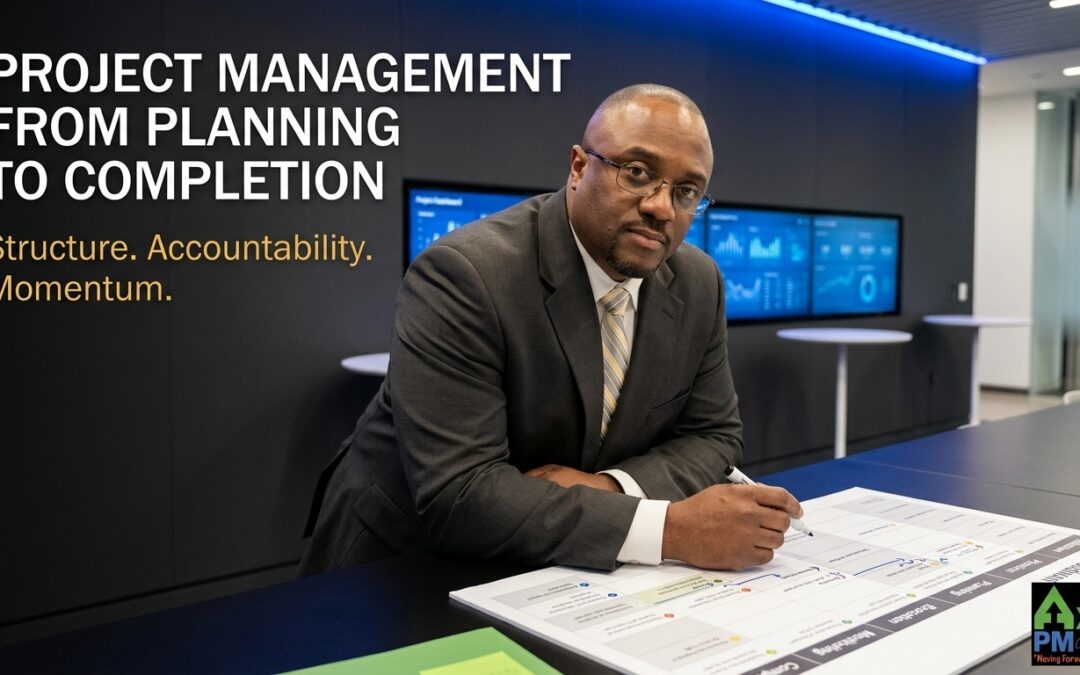
Too many projects stall because ownership is unclear and momentum fades when priorities shift. You need a partner who brings structure to your plan, accountability to your team, and steady progress from start to finish. Axle PM Consulting delivers project management consulting that keeps your work moving with clear ownership, regular check-ins, and a roadmap tailored to your goals. Keep reading to see how we guide your project from planning through completion without losing pace.
Structure for Project Success
When managing complex projects, a structured approach can make all the difference. By organizing your projects with clear steps, you ensure that every phase is covered and nothing falls through the cracks. Let’s explore how creating a strong foundation can keep your projects on track.
Establishing a Delivery Roadmap
A delivery roadmap is your project’s GPS. It outlines each step to reach your destination. With a clear plan, you know exactly what needs to be done and when. This clarity eliminates guesswork and keeps your team focused.
Creating a roadmap starts with identifying your goals. Break down these goals into smaller tasks and set deadlines for each one. This helps you track progress and spot potential roadblocks early. A well-designed roadmap acts like a guide, showing your team the path forward and reducing uncertainty.
Your roadmap also serves as a communication tool. Share it with your team and stakeholders to align everyone on the project’s direction. By doing this, you create a shared vision and ensure everyone is working towards the same objectives.
Clarifying Ownership with RACI
Ownership is crucial for project success. Without it, tasks can be overlooked or duplicated. The RACI matrix is a simple tool to define roles and responsibilities, ensuring clarity for everyone involved.
RACI stands for Responsible, Accountable, Consulted, and Informed. Assigning these roles to each task helps identify who is doing what. This reduces confusion and ensures accountability. For example, the Responsible person completes the task, while the Accountable person approves the work.
Using a RACI matrix fosters a sense of ownership among team members. It encourages accountability because everyone knows their role and what is expected. This clarity boosts confidence and motivates your team to deliver quality work.
Managing RAID for Risk Control
Managing risks is essential for keeping your project on track. A RAID log helps you do just that. RAID stands for Risks, Assumptions, Issues, and Dependencies. By tracking these elements, you can prevent surprises and stay in control.
Start by listing potential risks and their impact. Then, develop strategies to mitigate these risks. This proactive approach helps you avoid problems before they arise. Similarly, document assumptions to ensure they are valid and won’t lead to errors.
Issues and dependencies are also important to track. Addressing issues promptly prevents them from escalating, while understanding dependencies helps maintain project flow. By managing RAID effectively, you maintain control and move your project forward without unnecessary delays.
Accountability and Momentum
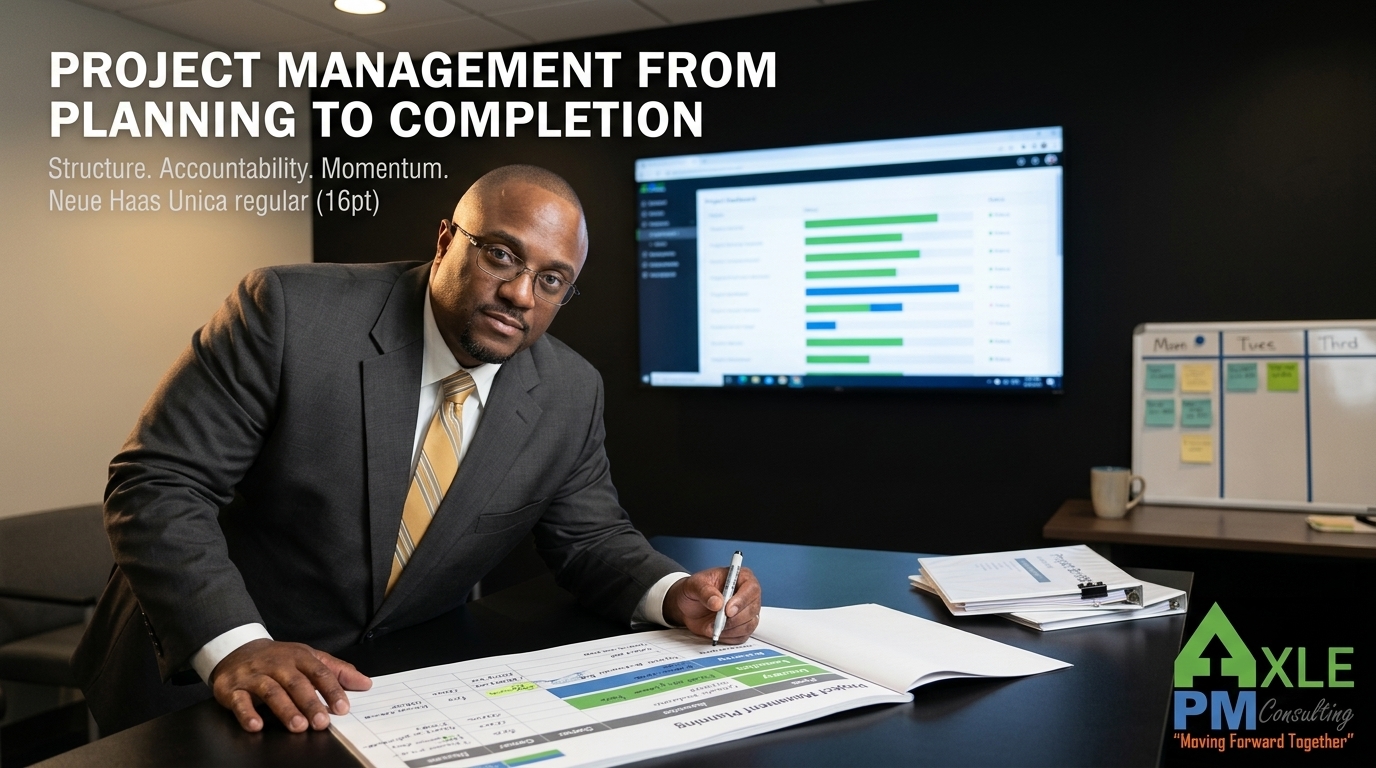
Maintaining momentum is vital for project success. Regular check-ins and accountability keep your team on track and motivated. Let’s explore how these practices ensure steady progress and prevent stalls.
Weekly Check-ins for Progress
Regular check-ins are a powerful tool for maintaining project momentum. By meeting weekly, you keep everyone aligned and focused on their tasks. This routine ensures that your team stays on track and addresses any issues before they become major roadblocks.
During these check-ins, review the progress of each task. Celebrate successes and identify areas that need improvement. This helps your team stay motivated and aware of their progress. By focusing on achievements, you boost team morale and foster a positive working environment.
Check-ins also promote open communication. Encourage team members to share their thoughts and concerns. This transparency helps build trust and ensures everyone is comfortable discussing challenges. By fostering a collaborative atmosphere, you create a team that’s ready to tackle any obstacle.
Utilizing Virtual PMO Services
Virtual PMO services offer flexibility and expertise without the overhead of a full-time team. These services provide the structure and support needed to keep your projects on track, even if your in-house resources are limited.
With virtual PMO, you gain access to experienced project managers who bring their expertise to your projects. They handle tasks like planning, tracking, and reporting, allowing your team to focus on execution. This support ensures that your projects maintain momentum and achieve their goals.
Moreover, virtual PMO services are cost-effective. You get the benefits of a dedicated project management office without the associated expenses. This makes it an ideal solution for organizations seeking to optimize project outcomes while managing budgets effectively.
Sprint Planning and Stage-Gate Approach
Combining sprint planning with a stage-gate approach offers a flexible yet structured framework for project management. This blend allows you to adapt to changes while maintaining control over project phases.
Sprint planning involves breaking your project into manageable chunks, or sprints. Each sprint focuses on delivering specific outcomes, ensuring steady progress. This approach keeps your team focused and responsive to changes, enabling quick adjustments as needed.
The stage-gate approach adds structure by dividing your project into phases, each with specific criteria for advancement. This ensures that your project only moves forward when it’s ready, reducing the risk of errors. By combining these methods, you create a dynamic process that fosters innovation while maintaining accountability.
Project Planning to Completion
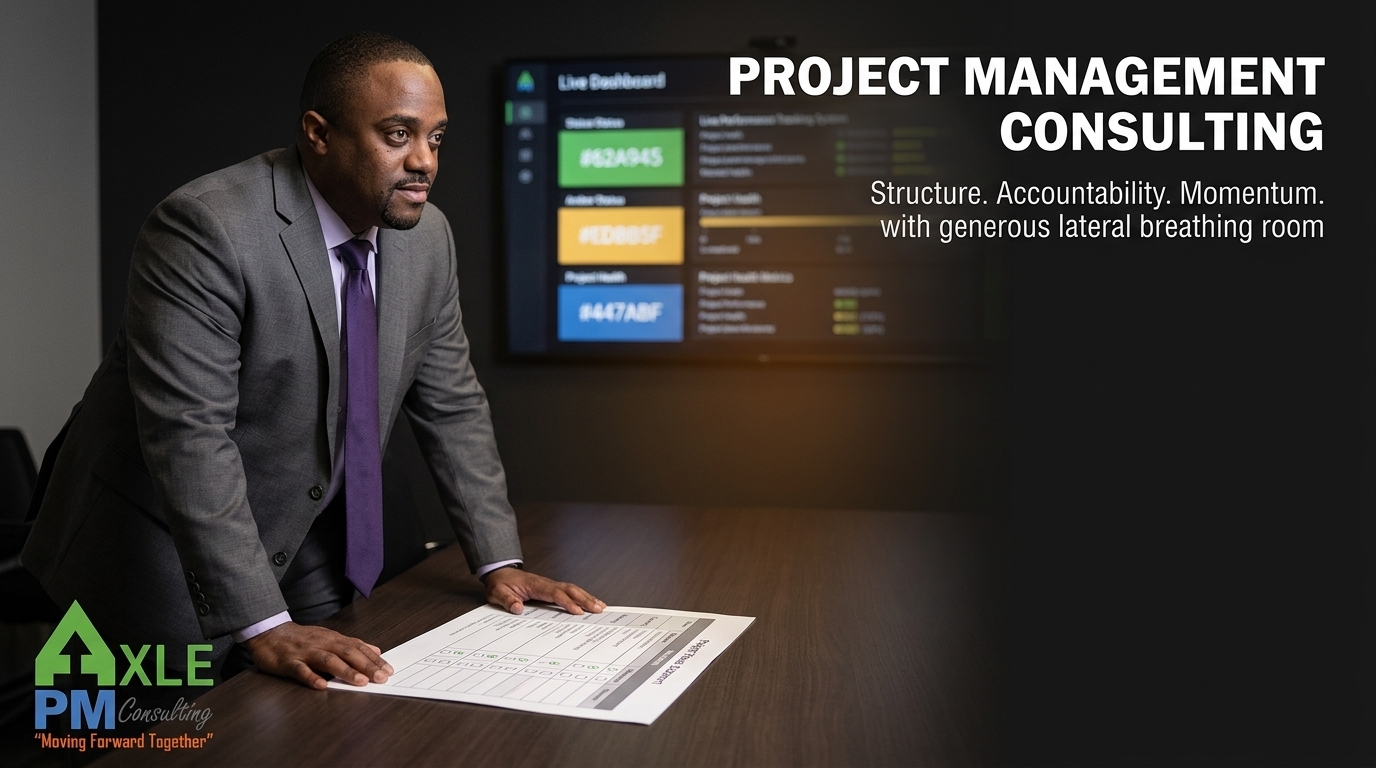
Taking your project from planning to completion requires a balanced approach. By blending agile and traditional methods, you ensure flexibility and control throughout the process. Let’s explore how this combination can lead to successful project delivery.
Blending Agile and Traditional Delivery
Balancing agile and traditional delivery methods provides the best of both worlds. Agile offers flexibility and rapid iteration, while traditional approaches provide structure and predictability. By combining these methods, you create a tailored approach that fits your project’s unique needs.
Agile focuses on delivering value quickly through iterative cycles. This approach allows you to adapt to changes and refine your project as you progress. On the other hand, traditional methods, like waterfall, provide a clear roadmap and ensure each phase is completed before moving on.
By blending these methods, you achieve a harmonious balance of flexibility and control. This hybrid approach allows you to respond to changes without sacrificing the overall structure, ensuring your project stays on track from start to finish.
Building Executive Status Dashboards
Executive status dashboards offer real-time insights into project progress. These dashboards provide a visual representation of key metrics, helping stakeholders make informed decisions and maintain oversight.
Creating an executive dashboard involves identifying the most important metrics for your project. Focus on aspects like deadlines, budget, and resource allocation. By displaying these metrics clearly, you provide decision-makers with a comprehensive view of the project’s status.
Dashboards also promote transparency and accountability. By sharing this information with stakeholders, you ensure everyone is aware of the project’s progress and any challenges faced. This transparency fosters trust and encourages collaboration, leading to successful project outcomes.
Supporting Non-Profits with Project Management
Non-profits face unique challenges, often working with limited resources and tight budgets. Effective project management can help these organizations achieve their goals and make a meaningful impact.
By partnering with non-profits, project management consultants provide valuable support. They offer expertise in planning, execution, and monitoring, ensuring projects stay on track and deliver results. This guidance helps non-profits maximize their resources and achieve their missions.
Additionally, consultants can help non-profits implement efficient processes, improving overall operations. By streamlining workflows and eliminating inefficiencies, these organizations can focus on their core mission and make a greater impact in their communities.