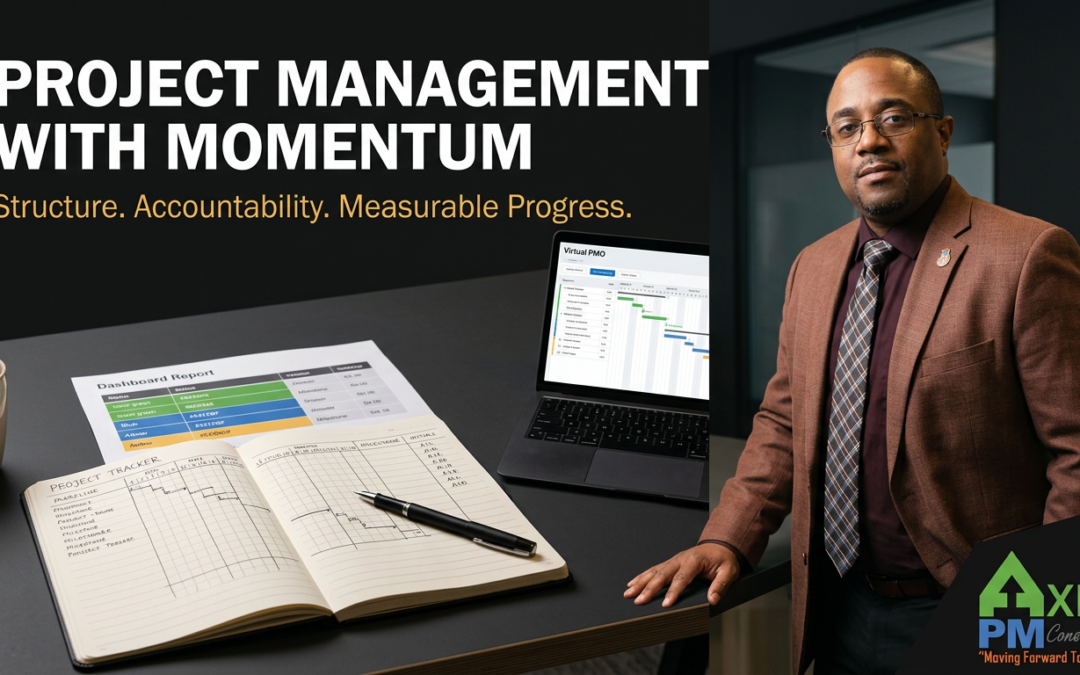
Projects stall when they depend on goodwill instead of clear ownership. At quarter-end, you need more than effort—you need structure, accountability, and measurable progress. That’s where certified agile project leadership steps in, turning scattered tasks into visible results through virtual PMO and full-cycle project management. Keep reading to see how this approach helps your team stay on track when capacity is tight and every decision must count. For more insights, visit this resource.
Project Management with Momentum
Structure for Tight Capacity
When resources are strained, having a clear framework is vital. This structure provides a roadmap to guide your team and ensures everyone knows their role.
First, establishing a solid plan is essential. Lay out each phase of your project, including timelines and deliverables. This approach helps in allocating resources efficiently and avoids overburdening your team. Projects can quickly fall apart if each step isn’t clearly defined. When everyone knows what to expect, your team can focus on execution.
Moreover, transparency in communication is key. Regular updates and open channels reduce misunderstandings. When communication flows smoothly, your project stays on track. Lastly, using tools that help visualize tasks and progress can make a significant difference. Consider software that aids in managing tasks and deadlines effectively.
Accountability and Ownership
Accountability transforms plans into actions. When team members are responsible for specific tasks, projects move forward seamlessly.
Assigning clear roles is crucial. Each team member should know what they’re responsible for and how their work contributes to the larger goal. This clarity ensures that everyone is aligned. Secondly, regular check-ins provide opportunities to address any roadblocks. Meetings shouldn’t just be about status updates. They should focus on problem-solving and ensuring that everyone has what they need to succeed.
Additionally, fostering a culture of ownership means celebrating successes and learning from failures. When team members feel ownership over their work, they’re more invested in the project’s outcome. This approach not only boosts morale but also enhances productivity.
Measurable Reporting for Progress
Tracking progress is essential for staying on course. When you can measure what you’ve## Project Management with Momentum
Structure for Tight Capacity
Successful project management requires a clear structure, especially when resources are limited. In tight capacity scenarios, having a defined framework is essential to keep everything on track and ensure progress is measurable.
Identifying roles and responsibilities is the first step. When everyone knows their part, projects move forward with clarity and purpose. A well-structured project reduces the risk of overlap and confusion, saving valuable time. By establishing clear expectations, your team can focus on delivering results.
Additionally, it’s important to have a centralized communication system. This ensures that every team member has access to the necessary information, allowing for seamless collaboration. With a structured approach, you can navigate limited capacity without sacrificing quality or efficiency.
Accountability and Ownership
Accountability is the backbone of successful projects. When team members take ownership, projects are more likely to reach completion on time and within budget.
A project manager plays a crucial role in fostering accountability. By setting clear goals and deadlines, they ensure everyone is aligned with the project objectives. Accountability isn’t just about assigning tasks; it’s about creating a culture where team members feel responsible for their contributions.
Regular check-ins and updates keep accountability at the forefront. They provide an opportunity to address any roadblocks and celebrate achievements. When each team member knows their efforts are being tracked, it motivates them to perform at their best.
Measurable Reporting for Progress
Measurable progress is key to understanding project performance. Reports provide insights into what’s working and what needs improvement, enabling informed decision-making.
Using data effectively can reveal trends and highlight areas that need attention. Regular reporting keeps everyone informed and allows for quick adjustments to keep the project on course. With measurable reporting, you can demonstrate progress to stakeholders and justify resource allocation.
Reports should be straightforward and easy to understand. They should focus on key metrics that align with project goals. By keeping reports concise and relevant, teams can maintain momentum and avoid being bogged down by unnecessary details.
Agile Project Leadership Essentials
Virtual PMO Support
Virtual PMO support is a game-changer for organizations looking to enhance project management without the overhead of a full-time staff. It allows teams to access expert guidance and resources remotely, providing flexibility and scalability.
With a virtual PMO, organizations can tap into a wealth of knowledge and experience. This support helps streamline processes and implement best practices, ensuring projects are executed efficiently. Virtual PMOs offer the structure needed to manage multiple projects simultaneously.
Additionally, virtual PMOs provide cost-effective solutions by reducing the need for in-house staff. This approach allows organizations to allocate resources more effectively, focusing on strategic goals while maintaining control over project execution.
Full-Cycle Project Management
Full-cycle project management covers every phase of a project, from planning to execution and closure. This approach ensures that no detail is overlooked and that the project aligns with strategic objectives.
A full-cycle approach begins with thorough planning, setting the foundation for success. It involves identifying goals, creating timelines, and allocating resources. During execution, the focus shifts to maintaining momentum and addressing challenges as they arise.
Closing the project involves evaluating outcomes and learning from experiences. This stage is crucial for continuous improvement and future planning. By embracing full-cycle project management, organizations can achieve sustainable growth and deliver consistent results.
Project Dashboards and KPIs
Project dashboards and KPIs are essential tools for tracking progress and performance. They provide a visual representation of key metrics, making it easy to monitor project health at a glance.
Dashboards offer real-time updates, allowing project managers to quickly identify issues and make data-driven decisions. This visibility is crucial for maintaining momentum and ensuring projects stay on track. KPIs help measure success by aligning outcomes with strategic objectives.
Using dashboards and KPIs, organizations can communicate progress effectively to stakeholders. This transparency builds trust and demonstrates accountability, reinforcing the value of effective project management.
Achieving Quarter-End Success
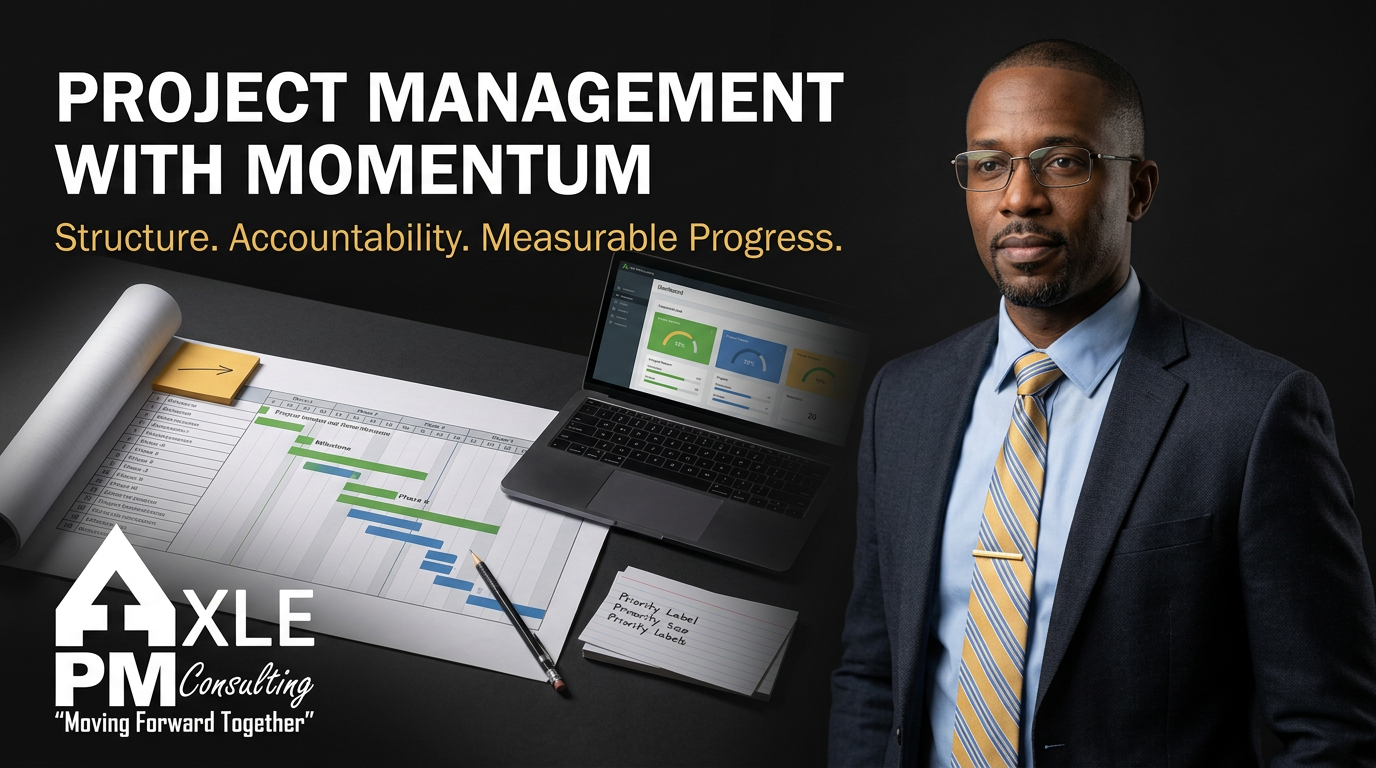
Remote Project Oversight
Remote project oversight provides the flexibility needed to manage projects across different locations. It ensures that teams remain connected and productive, even when working remotely.
Effective oversight relies on regular communication and collaboration. Utilizing technology, teams can maintain alignment and address challenges in real-time. Remote oversight allows project managers to keep a pulse on progress without being physically present.
Incorporating remote oversight into project management strategies expands the talent pool and allows for diverse perspectives. This approach not only enhances project outcomes but also fosters a culture of inclusivity and innovation.
Risk and Issue Management
Proactively managing risks and issues is critical to project success. Identifying potential obstacles early allows teams to mitigate them before they escalate.
Establishing a risk management plan is the first step. It involves identifying potential risks, assessing their impact, and developing strategies to address them. Regularly reviewing and updating this plan ensures it remains relevant throughout the project lifecycle.
Effective issue management involves quick identification and resolution. Having a clear process in place for addressing issues ensures they are dealt with efficiently, minimizing disruption to the project.
Portfolio Prioritization Strategies
Prioritizing projects within a portfolio ensures resources are allocated effectively. It involves assessing projects based on strategic value and alignment with organizational goals.
Clear prioritization criteria help organizations make informed decisions about which projects to pursue. This process involves considering factors such as potential impact, resource availability, and risk level. By focusing on high-priority projects, organizations can maximize their return on investment.
Regularly reviewing the project portfolio allows for adjustments based on changing priorities. This flexibility ensures that organizations remain agile and responsive to new opportunities and challenges.
Frequently Asked Questions
What is the role of a virtual PMO in project management?
A virtual PMO provides remote project management support, offering expert guidance and resources without the need for in-house staffing. It helps streamline processes and implement best practices for efficient project execution.
How do dashboards and KPIs contribute to project success?
Dashboards and KPIs offer real-time updates and key metrics, making it easy to monitor project health. They provide visibility, allowing for data-driven decisions and effective communication with stakeholders.
Why is risk management important in project management?
Risk management is crucial as it identifies potential obstacles early, allowing teams to mitigate them before they escalate. It ensures that projects remain on track and helps minimize disruptions.