Projects often slow down when too many people juggle roles and decisions without clear ownership. You feel the strain as priorities clash and deadlines slip, making progress feel out of reach. Project management consulting from Axle PM Consulting brings the structure, accountability, and delivery momentum your team needs to regain control and push forward with confidence.
Building Structure and Accountability
A well-structured project sets the groundwork for success, creating clear roles and responsibilities that eliminate confusion. This foundation is critical when attempting to overcome chaos.
Overcoming Project Chaos
When teams work in silos or lack clear direction, chaos reigns. This chaos is often fueled by unclear priorities and overlapping roles. By setting clear expectations and defining responsibilities, your team can focus on what matters most. Imagine the relief of knowing each team member is aligned, contributing to a common goal.
Next, consider implementing clear communication channels. Regular check-ins and updates keep everyone on the same page, ensuring that no one is left in the dark. This approach not only enhances productivity but also builds team cohesion. Achieving this structured approach might seem challenging at first, but the rewards are undeniable.
The Role of Project Management Consulting
Project management consulting can be the catalyst your organization needs to instill structure and accountability. These experts bring an outsider’s perspective, identifying gaps and offering tailored solutions. By establishing clear processes and roles, consultants help you mitigate risks and streamline operations.
An experienced consultant not only advises but also guides your team through these changes, fostering a culture of accountability. Their expertise ensures that every project phase is executed with precision, minimizing delays and maximizing resources. With such guidance, your team can focus on delivering results rather than firefighting daily issues.
Implementing Project Governance and Accountability
Governance is the backbone of any successful project. It defines decision-making frameworks, ensuring that every step aligns with overall objectives. Implementing governance is not about adding bureaucracy; it’s about providing clarity.
Establishing accountability mechanisms is equally critical. This involves setting performance metrics and regularly reviewing them to ensure targets are met. Regular evaluations encourage a proactive approach to problem-solving, allowing your team to address issues before they escalate. In this way, governance and accountability work hand in hand to keep your project on track.
Driving Momentum in Projects
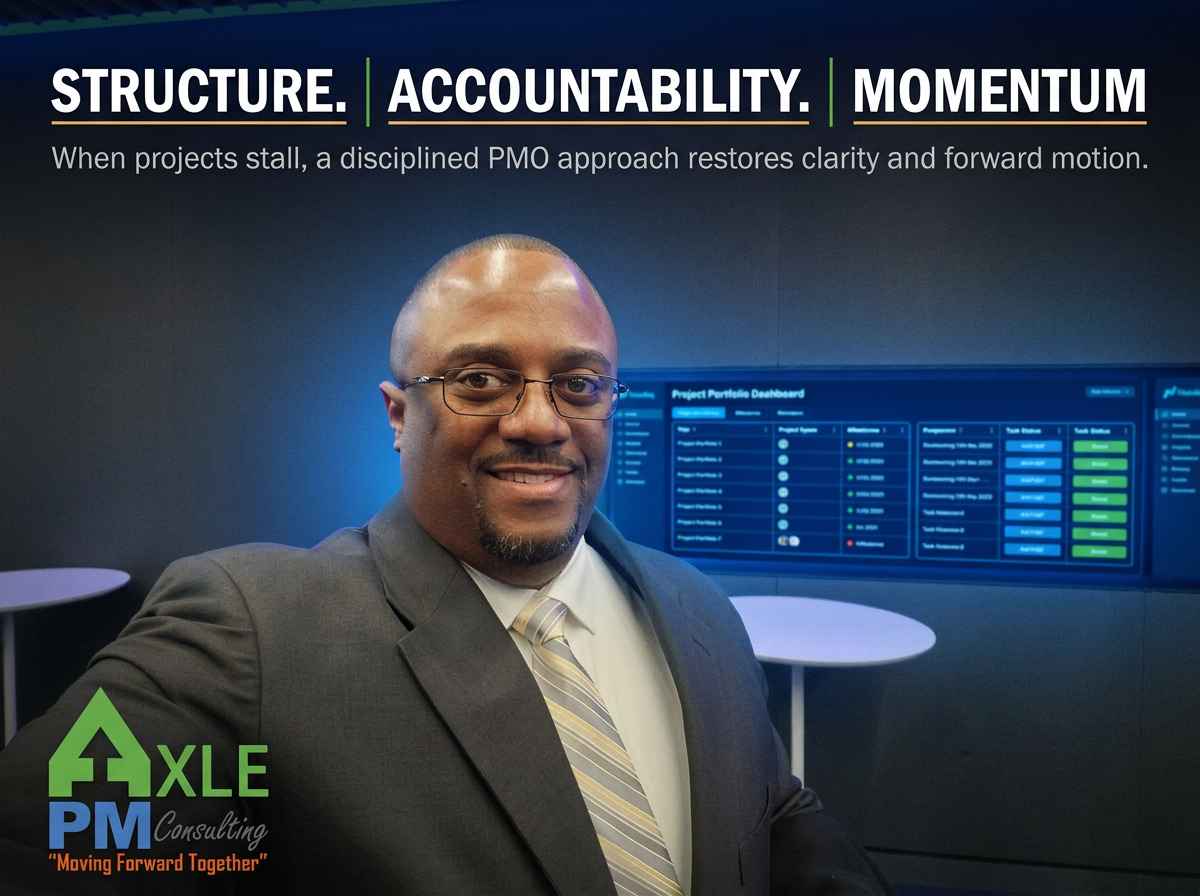
Once structure and accountability are in place, generating momentum becomes the next focus. This is where techniques for agile project management and virtual PMO services come into play.
Agile Project Management Techniques
Agile methodologies prioritize flexibility and collaboration, enabling teams to adapt quickly to changes. This approach breaks projects into smaller, manageable parts, known as sprints, which allow for continuous improvement and quick pivots when necessary.
By encouraging regular feedback and iterative progress, agile techniques enhance team communication and innovation. Each sprint concludes with a review, ensuring any necessary adjustments can be made before moving forward. This cycle of feedback and refinement keeps the momentum alive, driving your project toward a successful completion.
Virtual PMO Services Advantage
The rise of virtual PMO services offers a modern twist on traditional project management. These services provide the structure of an in-house PMO without the overhead costs, offering flexible support when needed.
Virtual PMOs bring centralized tracking and reporting, ensuring transparency across all project stages. With expert guidance and oversight, they help maintain project momentum, even in remote or hybrid work settings. This service can be particularly beneficial for organizations looking to optimize resources while maintaining high performance standards.
Ensuring Steady Delivery Momentum
Maintaining momentum throughout a project requires careful attention to delivery schedules and resource allocation. Prioritize regular assessments of your project’s progress against its timeline and budget. This practice not only highlights potential delays but also allows for timely interventions.
A steady rhythm of delivery also depends on effective stakeholder engagement. Keep stakeholders informed and involved at every stage, fostering a sense of ownership and commitment to the project’s success. By maintaining these connections, your project remains aligned with its intended goals, ensuring a smooth and continuous flow from inception to completion.
Achieving Clarity and Control
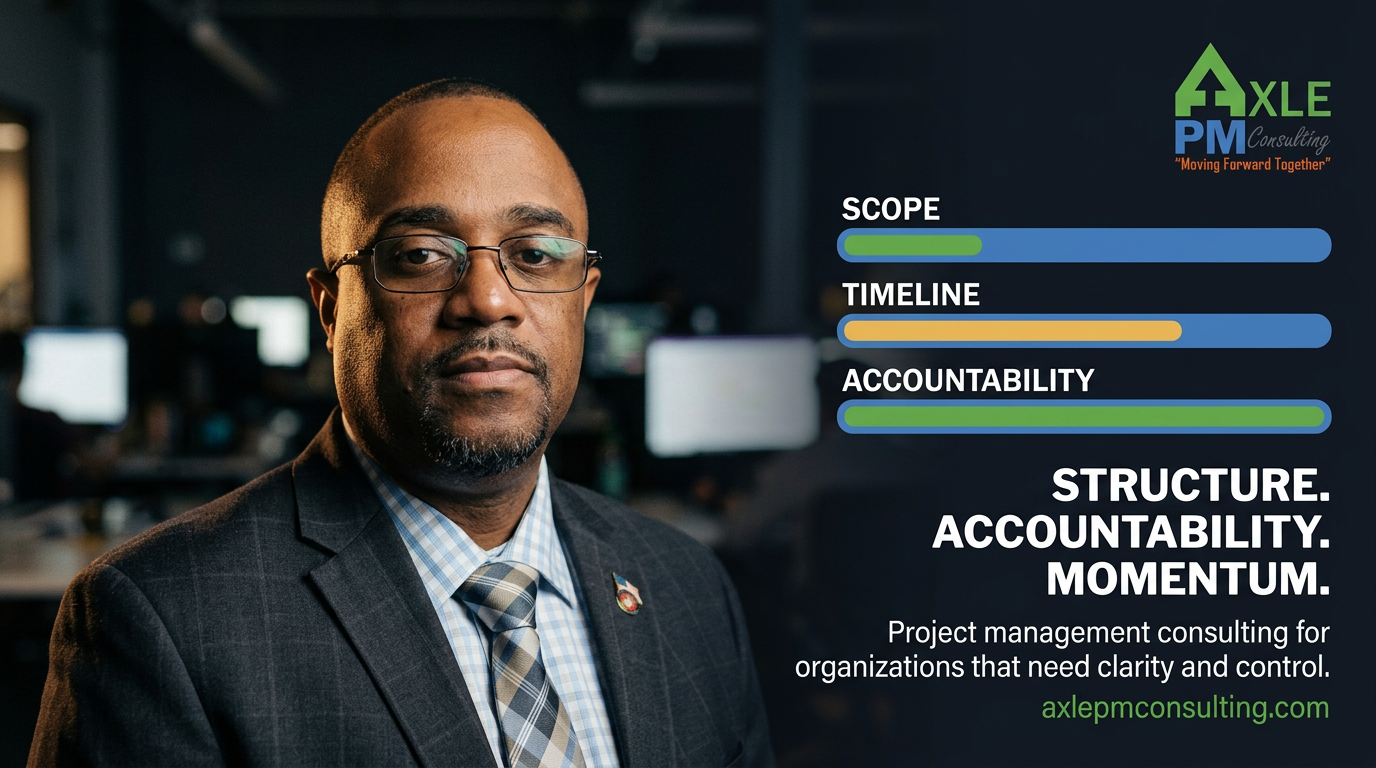
With momentum underway, clarity and control are necessary to sustain long-term success. Certifications, roadmaps, and risk management strategies all play a critical role in achieving this.
The Impact of PMP and PRINCE2 Certification
Certified project managers bring a wealth of knowledge and expertise to the table. Both PMP and PRINCE2 certifications are globally recognized, signaling a commitment to excellence and a thorough understanding of project management best practices.
These certifications equip managers with the skills to handle diverse project challenges, from scope changes to resource constraints. Their expertise ensures that projects are not only completed on time but also deliver the desired outcomes. By employing certified professionals, your organization gains a competitive edge in project execution.
Crafting a Project Execution Roadmap
A project execution roadmap serves as a strategic guide, outlining each phase of a project from start to finish. This roadmap identifies key milestones, dependencies, and deliverables, providing a clear path to follow.
Creating a roadmap involves collaboration between all team members, ensuring everyone understands their role in the project. Regularly revisiting and updating the roadmap keeps the team aligned and responsive to any changes. This strategic approach prevents drift and maintains focus on the project’s ultimate objectives.
Risk and Issue Management Strategies
Effective risk management is essential to maintaining control and ensuring project success. Begin by identifying potential risks and assessing their impact on your project. This proactive approach allows for the development of mitigation strategies before issues arise.
Issue management is equally important. Establish a clear process for reporting and addressing issues as they occur. This ensures that problems are resolved quickly, minimizing disruption. By prioritizing risk and issue management, your team can navigate challenges with confidence, maintaining control over project outcomes.
Frequently Asked Questions
What is the role of a project management consultant?
A project management consultant provides expert advice and guidance to optimize project performance. They help establish clear processes, roles, and governance, ensuring projects are delivered on time and within budget.
How do virtual PMO services benefit an organization?
Virtual PMO services offer the benefits of an in-house PMO without the associated costs. They provide centralized tracking, reporting, and expert guidance, maintaining project momentum even in remote or hybrid work settings.
Why are PMP and PRINCE2 certifications important?
These certifications demonstrate a project manager’s expertise and commitment to best practices. They equip managers with the skills needed to handle diverse challenges, ensuring project success and delivering desired outcomes.
What is a project execution roadmap?
A project execution roadmap is a strategic guide outlining each phase of a project. It identifies key milestones, dependencies, and deliverables, providing a clear path to follow and ensuring alignment with the project’s objectives.
How can I effectively manage risks and issues in a project?
Effective risk management involves identifying potential risks and developing mitigation strategies. Issue management requires a clear process for reporting and addressing problems as they occur, ensuring quick resolution and minimal disruption.
By understanding and implementing these project management strategies, your organization can tackle even the most complex projects with confidence and control.