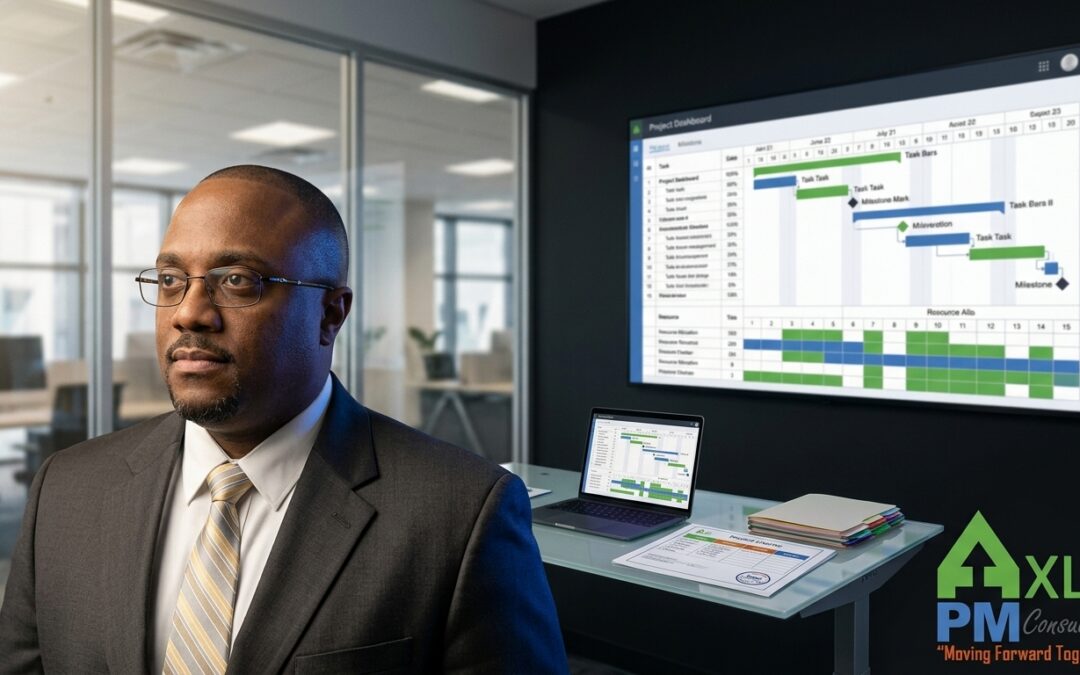
Projects stall when ownership is scattered and priorities pull your team in all directions. You feel stretched thin, watching key initiatives lose momentum week after week. With expert project management services, your organization gains clear accountability and steady progress—from planning through completion. Let’s explore how certified leadership and flexible remote support bring relief and control to even the most complex projects. For more on effective strategies, visit here.
The Cost of Scattered Project Ownership
When project tasks don’t have a clear owner, chaos can reign. Without defined roles, responsibilities can become unclear. This often leads to a lack of accountability, causing projects to derail.
Challenges of Unclear Roles
Imagine a team where everyone assumes someone else is handling the critical parts. In such cases, tasks fall through the cracks. Team members might hesitate to take initiative, fearing they’ll step on toes. This lack of clarity can sap team energy and stall progress. To prevent this, defining roles is crucial. Clear role assignment ensures everyone knows their tasks, reducing misunderstandings. With clarity, your team can work confidently, knowing who handles what, leading to smoother project flow.
Impact of Competing Priorities
Priorities that pull in every direction can cause significant disruption. When each team member feels their project is the most important, conflict arises. This scenario often results in resource allocation struggles. Teams might find themselves overcommitted, trying to juggle multiple high-priority tasks at once. To handle this, establishing a clear priority matrix can be beneficial. This approach aligns the team and focuses efforts on what truly matters, reducing stress and enhancing productivity.
Strain on Momentum and Resources
Lost momentum is a common result of scattered project ownership. When teams face unclear direction, enthusiasm wanes. Resources get stretched thin as projects lose focus, wasting time and effort. This can leave team members overwhelmed and projects unfinished. To counteract this, setting clear milestones and regular check-ins can help. By doing so, you keep the team aligned and energized, ensuring progress is steady and resources are used efficiently.
Implementing Full-Cycle Project Leadership

Bringing all elements together under strong project leadership can stabilize your projects. Establishing clear governance and delivery methods ensures every component works in harmony.
Establishing Governance and Cadence
Governance is the backbone of successful project management. It sets the standards and processes that guide projects. Establishing a cadence for meetings and updates keeps everyone on track. Regular check-ins ensure accountability and progress. This structure helps identify issues early, making it easier to course-correct. Governance isn’t about control; it’s about creating a supportive framework where projects can thrive.
Driving Delivery with Agile Methods
Agile project management offers a flexible approach to delivery. It breaks projects into manageable parts, allowing teams to adapt quickly to changes. This method encourages collaboration and feedback, improving outcomes. Agile’s iterative nature makes it perfect for environments where requirements might shift. By focusing on small, incremental improvements, teams can deliver value consistently, keeping stakeholders engaged and satisfied.
Vendor Coordination and Control
Managing vendors efficiently is critical to project success. Clear communication and expectations prevent misunderstandings. Regular updates and feedback loops keep everyone aligned. It’s important to set performance metrics and hold vendors accountable. By doing so, you ensure they meet your standards and support your project’s goals. Effective vendor management minimizes risks and ensures smooth operations.
Solutions with Virtual PMO and Specialized Help

Virtual PMO services provide flexibility and expertise without the overhead of full-time staff. They offer tailored solutions to fit your project’s unique needs.
Benefits of Remote Project Management
Remote project management offers many advantages. It allows access to a wider talent pool without geographical constraints. This flexibility can lead to cost savings, as there’s no need for office space or on-site staff. Remote teams can adapt quickly, bringing diverse perspectives to problem-solving. With the right tools, communication can be as effective as in-person meetings. This setup promotes a balanced work environment, boosting productivity and morale.
Project Rescue and Short-Term Leadership
Sometimes projects veer off course and need rescuing. Specialized short-term leadership can bring projects back on track. These experts assess the situation, identify issues, and implement corrective measures. Their fresh perspective can uncover hidden problems and suggest innovative solutions. By focusing on quick wins, these leaders restore confidence and ensure projects reach completion successfully.
Business Analysis and Agile Coaching
Business analysis helps translate goals into actionable plans. It involves understanding needs and defining requirements. This clarity ensures projects align with business objectives. Agile coaching supports teams in adopting agile practices effectively. Coaches provide training and guidance, ensuring teams implement agile principles successfully. Together, these services enhance project efficiency and drive better outcomes.
Frequently Asked Questions
What is project governance, and why is it important?
Project governance is the framework that guides how a project is managed and controlled. It provides the structure for decision-making and accountability. Having strong governance ensures that projects run smoothly, align with organizational goals, and achieve desired outcomes.
How does agile project management differ from traditional methods?
Agile project management focuses on flexibility and iterative progress. Unlike traditional methods, which follow a linear path, agile allows teams to adapt quickly to changes. This approach encourages collaboration, frequent feedback, and continuous improvement, making it ideal for dynamic environments.
What are the benefits of using a virtual PMO?
A virtual PMO provides expert project management support without the need for onsite staff. This setup offers flexibility, cost savings, and access to a wider talent pool. With a virtual PMO, organizations can leverage specialized skills as needed, ensuring efficient and effective project delivery.
How can project rescue services help struggling projects?
Project rescue services identify and address issues in stalled projects. Experts assess the project’s current state, diagnose problems, and implement solutions to get back on track. This intervention can restore momentum and ensure successful project completion.
Why is business analysis crucial in project management?
Business analysis defines the requirements and ensures projects meet business objectives. It helps translate strategic goals into actionable plans, aligning project activities with organizational needs. This clarity reduces risks and enhances project success.