
Showing up to a project kickoff without a clear scope or aligned priorities wastes time and stalls progress. You deserve a project leadership partner who arrives ready with draft scope, stakeholder alignment, and identified risks before the first meeting starts. This sets the stage for faster decisions and smooth execution, especially as Q2 pressures mount. Keep reading to learn the key pre-kickoff signals that prove your partner can create momentum from day one. For further insights, you might find this article helpful.
Setting Expectations for Pre-Kickoff
Before diving into any project, setting clear expectations is crucial. This helps in avoiding unnecessary delays and ensures everyone is on the same page from the start. Let’s explore the key areas to focus on before the kickoff meeting begins.
Understanding Project Scope
The first step is defining the project scope. It’s about knowing exactly what needs to be done. This clarity prevents confusion and sets a solid foundation. When you know the limits and goals, it’s easier to manage resources and timelines.
-
Drafting Clear Objectives: Start by writing down what the project aims to achieve. Make sure these objectives are specific, measurable, and achievable. This helps in tracking progress and ensures everyone knows what success looks like.
-
Outlining Deliverables: List what will be delivered at the end of the project. This includes reports, products, or any other outcomes. Having a clear list helps in managing expectations and prevents disputes later on.
By focusing on these aspects, you create a roadmap that guides the project. It’s about setting the stage where everyone knows their role in moving the project forward.
Aligning Key Stakeholders
Aligning stakeholders is crucial for project success. It ensures that everyone involved has the same vision and understanding. This alignment can significantly reduce conflicts and ensure smooth execution.
-
Communication is Key: Regular communication keeps everyone informed and engaged. It’s essential to have meetings where stakeholders can express their views and concerns. This fosters a sense of ownership and commitment to the project.
-
Defining Roles and Responsibilities: Clearly outline who is responsible for what. This prevents overlaps and ensures accountability. When everyone knows their role## Setting Expectations for Pre-Kickoff
Before the kickoff begins, clarity is crucial. You need a partner who can ensure that everyone is on the same page, minimizing confusion later. Let’s explore the elements needed for a successful pre-kickoff.
Understanding Project Scope
Grasping the project scope is vital. This means knowing what the project covers and what it doesn’t. Without this clarity, projects might drift off course. Imagine starting a journey without a map; you might end up far from your destination.
Your partner should help you define the scope clearly. This involves setting boundaries and confirming what’s included in the project. A well-defined scope means everyone knows their role, reducing misunderstandings. In practice, this can prevent tasks from slipping through the cracks. For instance, if a project involves building a website, the scope should clarify if content creation is included or just the design.
Aligning Key Stakeholders
Getting everyone on board early can prevent headaches later. When stakeholders have different priorities, projects can stall. A partner should ensure all voices are heard and aligned before work starts.
This process includes meetings where stakeholders discuss and agree on goals. By doing this, you ensure that everyone moves in the same direction. An aligned team is more likely to achieve its goals. For example, if marketing and IT are aligned, launching a new campaign becomes smoother and more efficient.
Identifying Early Risks
Spotting risks early can save a lot of trouble down the road. Risks are potential problems that can derail a project. By identifying them early, you can plan how to handle them.
A capable partner will help you create a risk register. This document lists potential risks and how to mitigate them. For example, if a project depends on a specific technology, the risk might be its availability. Planning for this can prevent delays if issues arise. Understanding risks allows you to act proactively, keeping your project on track.
Signals of a Capable Partner

Knowing what to expect from a partner helps you choose wisely. Let’s break down the signals that tell you your partner is ready to lead.
Draft Scope Clarity
A partner who presents a clear draft scope demonstrates preparedness. This shows that they have thoroughly explored the project’s needs. You should see a detailed outline of what’s included.
This clarity helps you avoid surprises. For instance, if the draft scope for a new app development includes specific features, you can plan resources accordingly. A clear scope means fewer revisions and faster progress.
Stakeholder Engagement
Effective engagement means your partner is actively involving all key players. This ensures everyone has a voice in the project’s direction. Regular updates and feedback loops keep stakeholders informed.
A partner who facilitates such engagement builds trust. For example, holding monthly stakeholder meetings helps keep everyone aligned and informed. With everyone engaged, the project is more likely to succeed.
Risk Assessment and Mitigation
A proactive partner will have a risk assessment plan ready. This plan identifies potential challenges and outlines strategies to address them. Knowing what might go wrong and having a plan is crucial.
For instance, if there’s a risk of supply chain disruption, having alternative suppliers lined up can prevent delays. This foresight shows that your partner is prepared and capable of handling challenges.
Building Early Project Momentum
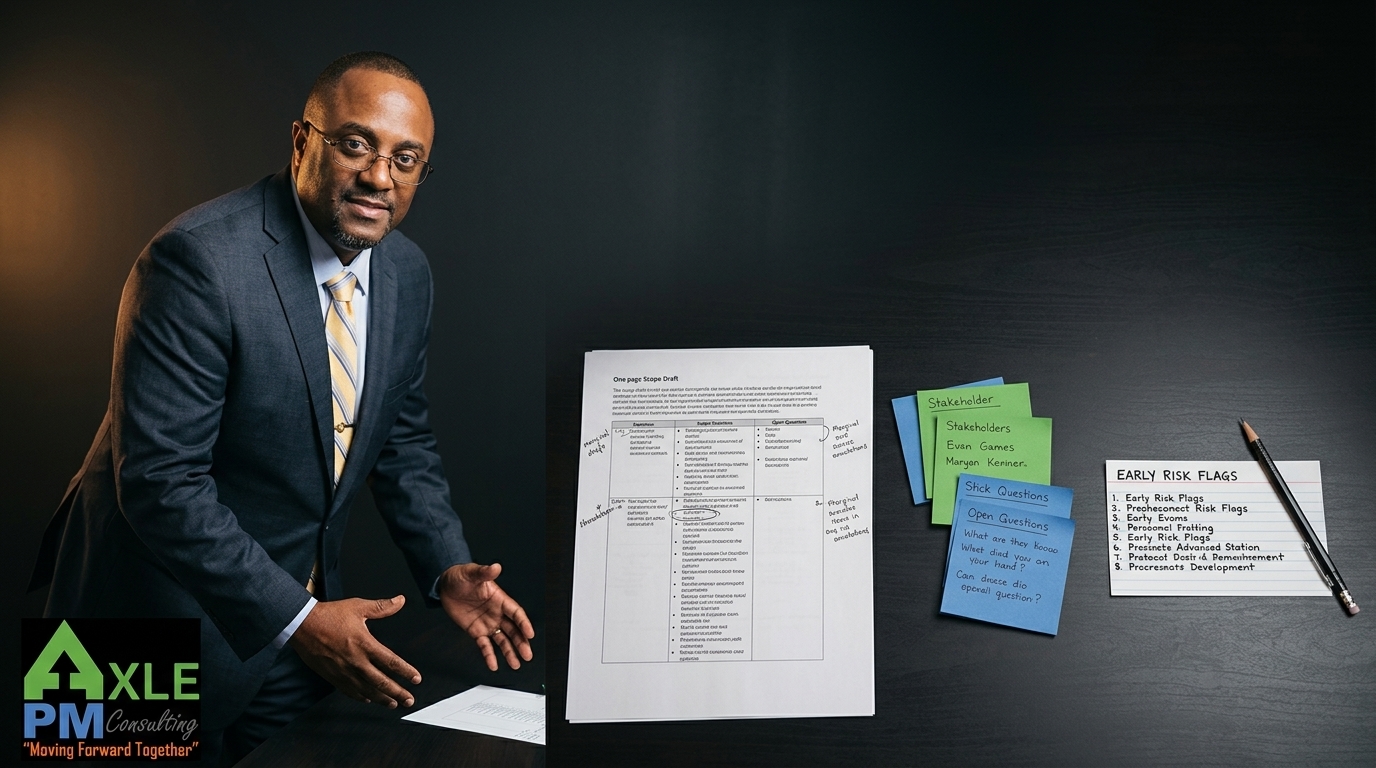
Creating momentum early on can set the tone for a successful project. Let’s explore ways to build this momentum effectively.
Creating a Delivery Roadmap
A delivery roadmap is a step-by-step guide for achieving project goals. It outlines timelines and milestones, so everyone knows what to expect and when. Having this roadmap ensures that the project progresses smoothly and on schedule.
For example, if you’re launching a new product, a roadmap helps ensure that marketing, production, and sales are coordinated. This coordination avoids last-minute scrambles and ensures timely delivery.
Establishing Project Governance
Strong governance ensures that project decisions are made efficiently. It involves setting up a structure for decision-making and accountability. With governance in place, you can prevent delays caused by indecision.
Governance structures might include a project board that meets regularly to review progress and make decisions. This setup keeps everyone aligned and accountable. For example, if a decision is needed on budget changes, the governance board can make it promptly, keeping the project on track.
Leveraging Agile Project Management
Agile project management allows flexibility and quick adjustments. It involves breaking projects into smaller parts and iterating on them. This method keeps the project adaptable to changes or new insights.
In practice, agile management means regular check-ins and adjustments. For example, a software development team using agile might release a new feature every two weeks and gather feedback for improvements. This approach helps maintain momentum and ensures that the project delivers value continuously.
By setting clear expectations, aligning stakeholders, and identifying risks early, your project can gain the momentum it needs before the first kickoff. With the right partner, you start on a strong footing, ready to tackle challenges and achieve success.