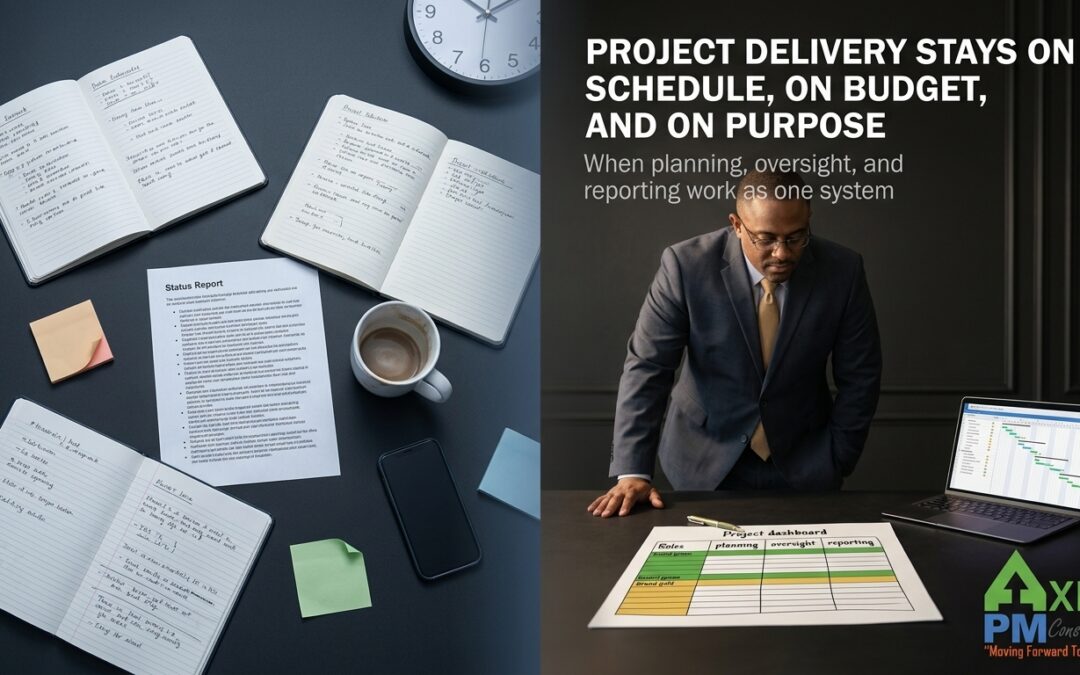
Project delays often begin when planning, oversight, and reporting operate in separate lanes. This fragmentation creates gaps in accountability and clarity that ripple into missed deadlines and budget overruns. When these functions come together in one integrated project management system, your team gains a steady operating rhythm that keeps delivery on time and on budget, aligned with your strategic goals. Let’s explore how unifying these elements prevents drift and restores momentum, even in slower seasons.
Unifying Project Functions
Joining all project functions into one cohesive system ensures smoother, more predictable project outcomes. Let’s dive into the challenges and solutions of unifying these elements.
The Fragmentation Challenge
Project fragmentation often leads to chaos. When teams operate in silos, miscommunication thrives. This lack of coordination can cause delays, budget overruns, and a loss of focus on the project’s true goals. Imagine a scenario where the planning team sets a deadline, but the oversight team is unaware of it. The result? Missed deadlines and increased stress. By merging these elements, you eliminate unnecessary chaos.
Integrated Project Management Explained
Bringing all aspects of project management under one roof is key. With an integrated approach, teams can align their efforts, ensuring everyone is on the same page. This means shared objectives, clear communication, and a unified strategy. For example, using a centralized project management tool can help streamline reporting, updating everyone in real-time. This harmonization of processes makes projects run like well-oiled machines.
Benefits of a Unified System
A unified system brings numerous advantages. It reduces redundancy, enhances communication, and ensures timely delivery. When everyone works from the same platform, decision-making becomes faster and more accurate. Teams are empowered, knowing they’re moving in the same direction. This not only saves time but also cuts unnecessary costs, ensuring projects stay on budget.
Achieving Project Success
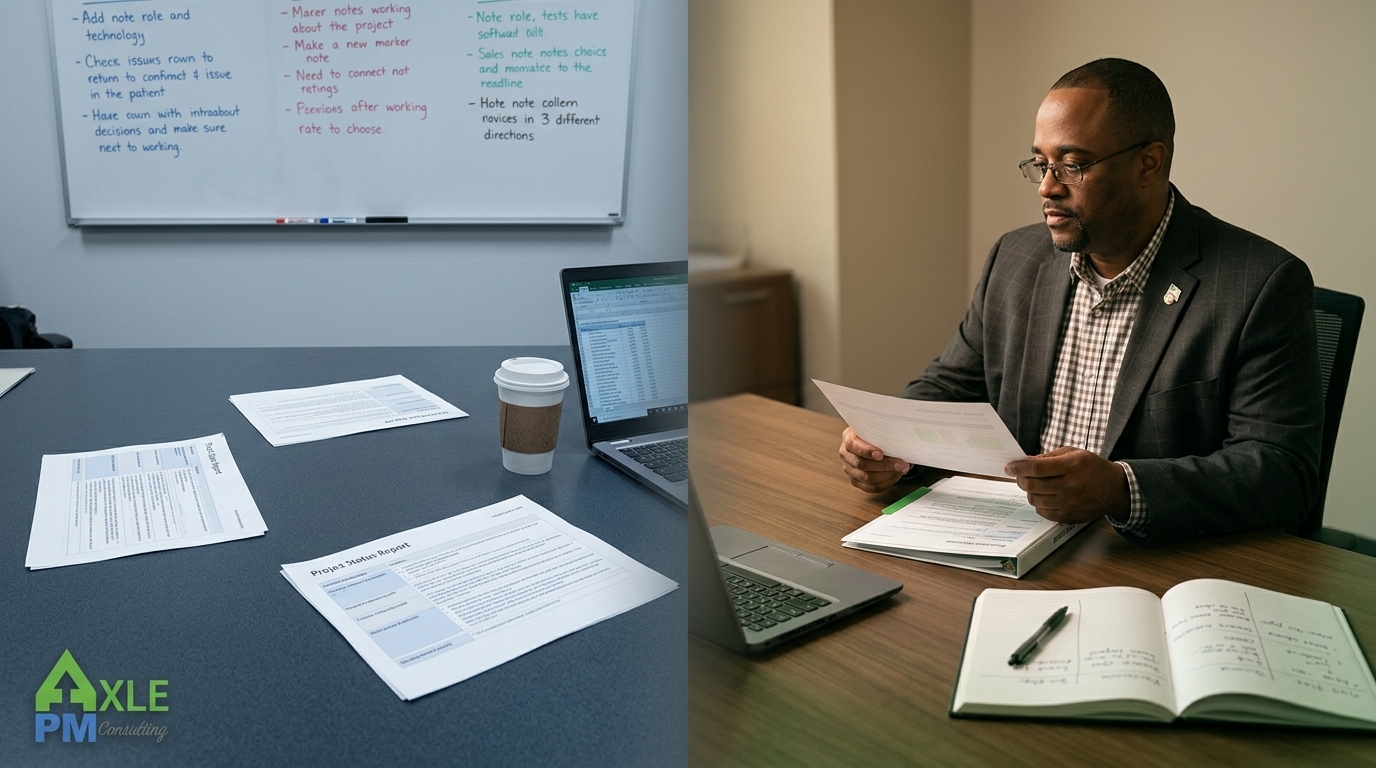
Unifying project functions leads to success, but how do you maintain this momentum? It’s about focusing on oversight, reporting, and drift prevention.
The Role of Project Oversight
Oversight is the backbone of project success. It ensures that every task aligns with the project’s goals. Regular check-ins and reviews help teams stay focused and accountable. This continuous monitoring prevents small issues from becoming significant problems. By keeping a close eye on progress, you can ensure that the project remains on track.
Project Reporting Best Practices
Effective reporting is crucial. It provides insights into project performance and highlights areas needing attention. Reports should be clear, concise, and actionable. By using tools that offer real-time updates, stakeholders can make informed decisions quickly. This transparency builds trust and keeps everyone informed, reducing uncertainties and promoting accountability.
Preventing Project Drift
Project drift happens when teams lose sight of their goals. To prevent this, set clear milestones and regularly review them. Encourage open communication and quick feedback loops. By addressing issues as they arise, you maintain focus and momentum. Remember, a proactive approach is your best defense against drift.
Axle PM Consulting Approach
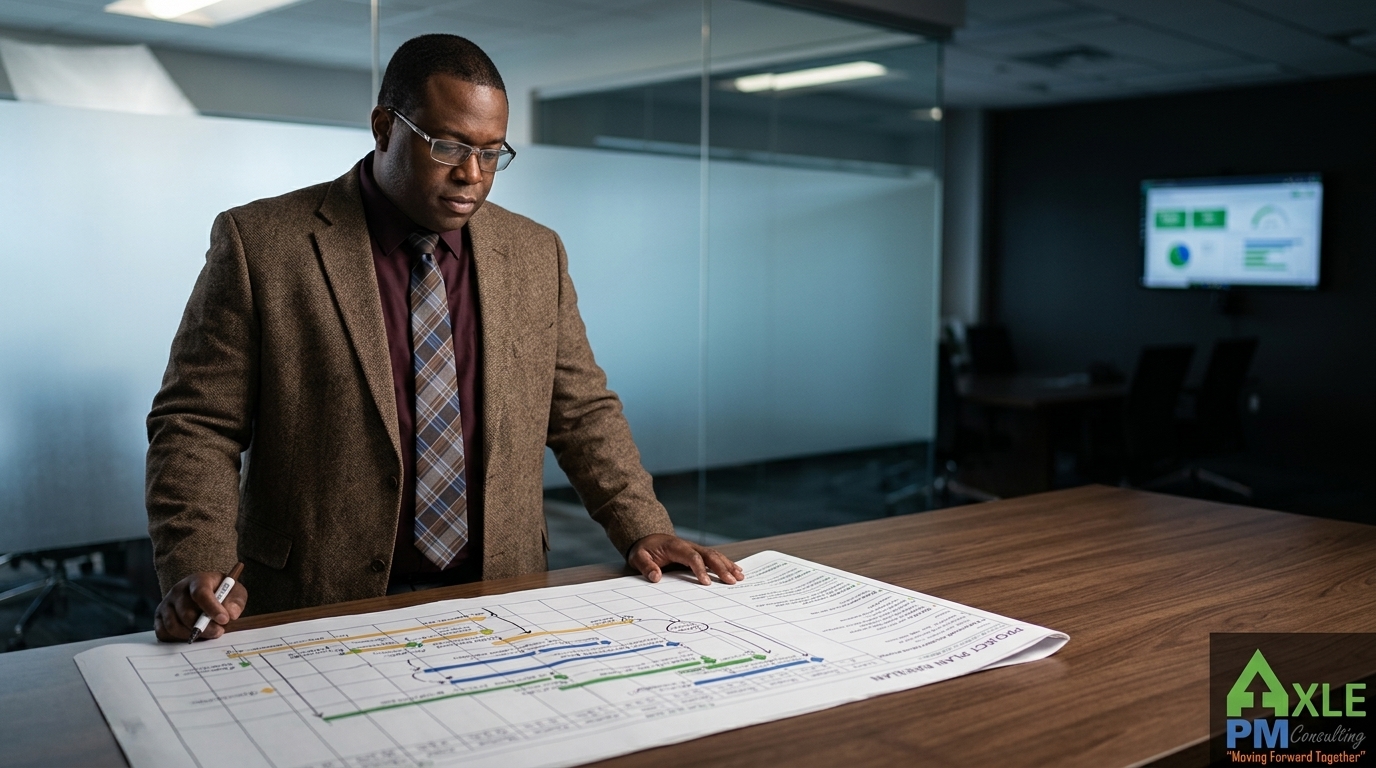
Our approach at Axle PM Consulting is all about creating a rhythm in project management that ensures success. Let’s see how we make this happen.
Project Operating Rhythm in Practice
Our operating rhythm is structured yet flexible. We focus on establishing a cadence that guides every phase of the project lifecycle. From planning to execution, this rhythm ensures consistency. Regular meetings, feedback sessions, and progress reviews are integral. This approach keeps the team synchronized and the project moving forward.
Virtual PMO and Project Governance
Virtual PMO offers the benefits of a project management office without the physical presence. It provides structure, governance, and oversight remotely. This flexibility is ideal for teams looking to save costs while maintaining high standards. Our virtual PMO ensures you receive expert guidance, centralized tracking, and consistent processes, all accessible from anywhere.
Schedule and Budget Control Solutions
We prioritize keeping projects on time and within budget. Our methods include detailed planning, regular monitoring, and proactive adjustments. By using executive dashboards, we provide real-time visibility into every project’s status. This transparency helps in making informed decisions swiftly, ensuring that every project aligns with its intended schedule and budget.
Frequently Asked Questions
What is integrated project management?
Integrated project management combines all project functions, such as planning, oversight, and reporting, into a single cohesive system. This approach enhances communication, ensures alignment, and improves project outcomes.
How can project drift be prevented?
Project drift can be prevented by setting clear milestones, encouraging regular communication, and maintaining a proactive approach to problem-solving. Regular reviews and feedback loops help keep the project on track.
What are the benefits of a virtual PMO?
A virtual PMO provides the structure and oversight of a traditional project management office remotely. This setup offers flexibility, cost savings, and expert guidance without the need for a physical presence.
Why is project oversight essential?
Project oversight ensures that all tasks align with the project’s goals. It involves monitoring progress, conducting regular reviews, and maintaining accountability, which helps prevent small issues from escalating.
What role does reporting play in project success?
Reporting provides insights into project performance, enabling stakeholders to make informed decisions. Clear, actionable reports help maintain transparency and accountability, reducing uncertainties and promoting project success.