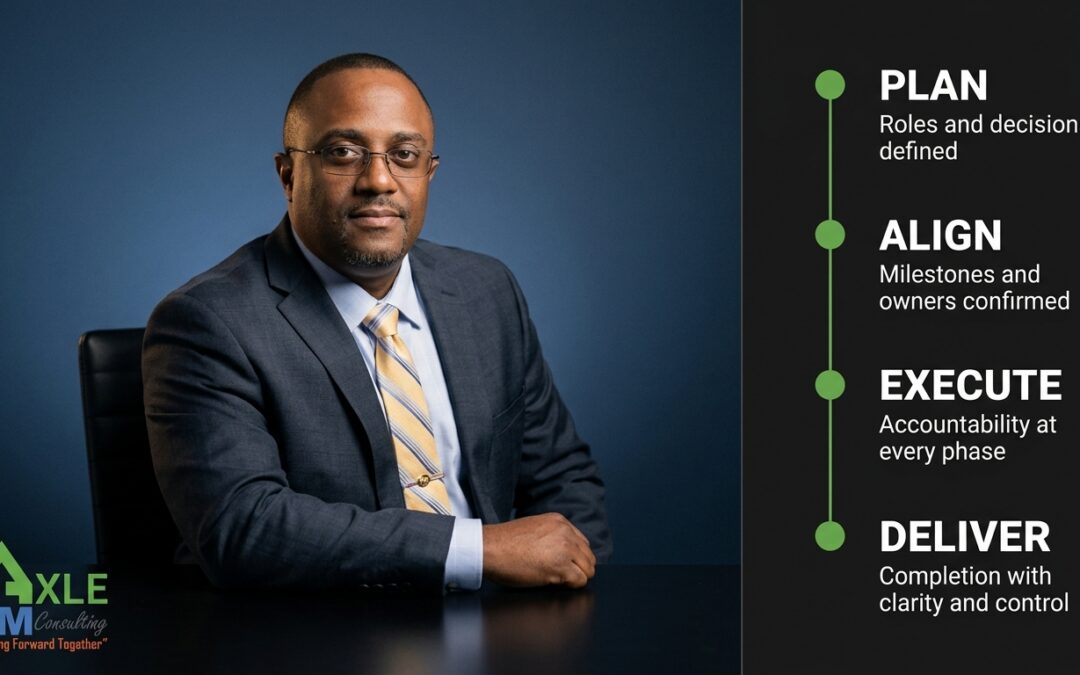
Most projects lose steam soon after kickoff, when roles and timelines aren’t clear. You’re ready to get past that stuck point, but the path from planning to completion feels tangled. With project management consulting that maps decisions, milestones, and ownership clearly, you can turn complex initiatives into a straightforward blueprint that builds structure, accountability, and momentum. Let’s show you how to keep your projects moving with confidence and control.
Creating a Structured Foundation
Building a project foundation is like laying bricks for a house. Each decision and milestone creates a solid structure that supports every aspect of your project.
Mapping Decisions and Milestones
To keep your projects moving, start by clearly mapping decisions and milestones. This involves outlining each major step and decision point. Consider your project as a roadmap. Where do you want to go, and what stops do you need to make along the way?
-
Identify Key Decisions: Before diving into tasks, highlight critical decisions. These are points where choices impact the project’s direction. For example, choosing a software platform is a decision that shapes the project outcome.
-
Set Milestones: Milestones are checkpoints. They help track progress and ensure the project stays on course. Imagine these as the road signs that guide you through the journey, ensuring you’re on the right path.
Mapping decisions and milestones provides clarity, ensuring everyone knows the project’s direction.
Establishing Clear Roles and Responsibilities
Once the path is set, it’s essential to know who does what. Assigning clear roles and responsibilities ensures accountability and smooth execution.
-
Define Roles: Clearly outline each team member’s responsibilities. This avoids overlap and confusion. For instance, when everyone knows their part, there’s less room for tasks to slip through the cracks.
-
Communicate Expectations: Open communication about roles helps prevent misunderstandings. Regular check-ins ensure everyone is aligned with their tasks and aware of their contributions to the project.
Establishing clear roles ensures that every team member knows their part, allowing the project to progress without unnecessary hurdles.
Defining Project Governance Framework
To ensure the project runs smoothly, establish a governance framework. This framework acts as the project’s rulebook, providing guidelines on decision-making and accountability.
-
Set Governance Policies: Define how decisions are made and who makes them. This might include setting up a steering committee or assigning decision-makers for various areas.
-
Regular Reviews: Schedule regular governance reviews to assess progress and make necessary adjustments. This keeps the project aligned with its goals and ensures any issues are addressed promptly.
A governance framework creates a structured approach, guiding the project through to completion.
Maintaining Accountability and Momentum
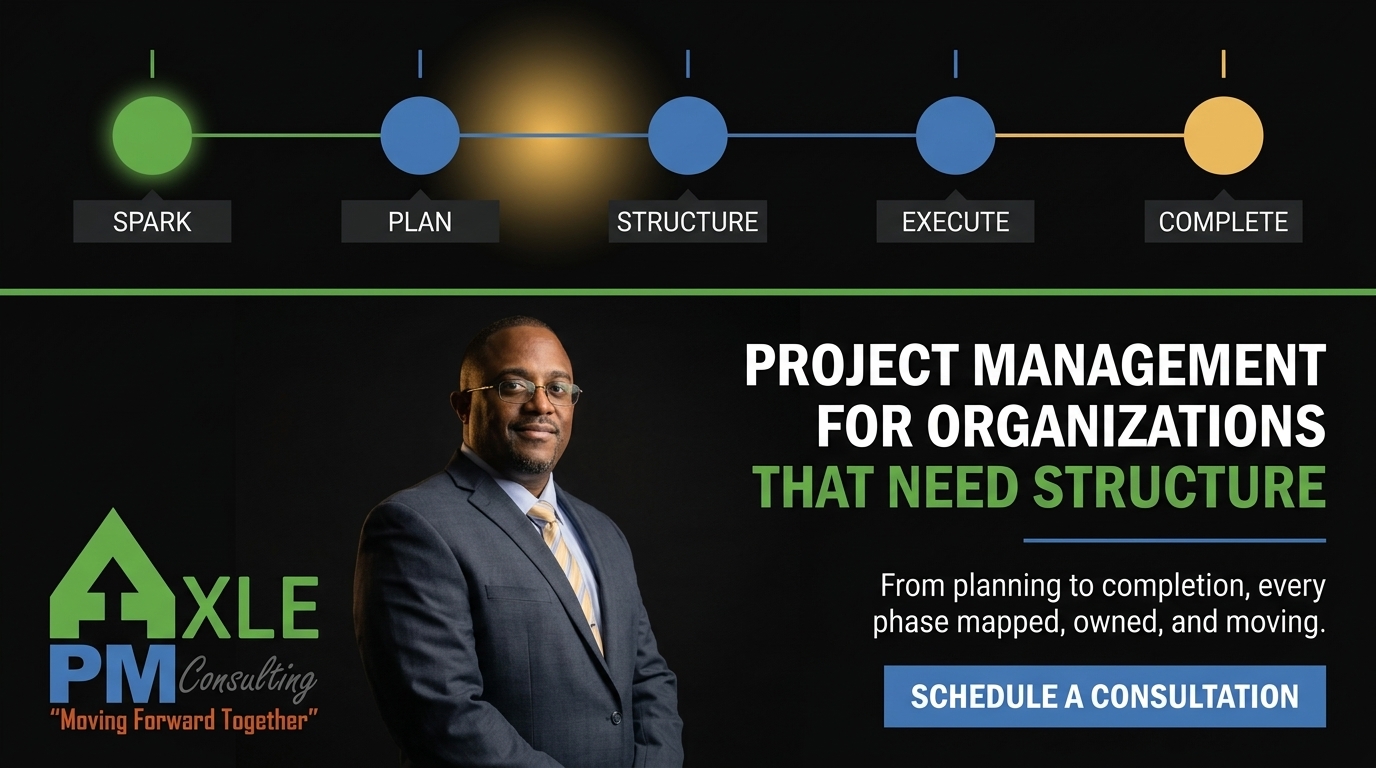
With a solid foundation, maintaining accountability and momentum becomes crucial. This ensures the project progresses smoothly and stays on track.
Implementing RACI and Ownership Mapping
RACI (Responsible, Accountable, Consulted, Informed) charts are vital for mapping out ownership and accountability within a project.
-
Create a RACI Chart: List all project tasks and assign roles—who’s responsible, who’s accountable, who needs to be consulted, and who should be informed. This clear assignment of roles prevents confusion and ensures accountability.
-
Review and Adjust: Projects evolve, and so should your RACI chart. Regularly review and update it to reflect any changes, ensuring continued clarity in roles.
Implementing RACI charts and ownership mapping keeps everyone on the same page, ensuring tasks are completed efficiently.
Ensuring Consistent Communication and Reporting
To maintain momentum, establish a communication strategy that keeps everyone informed and engaged.
-
Regular Updates: Set a schedule for team updates. This could be daily stand-ups or weekly meetings, depending on the project’s needs. Consistent updates ensure everyone is aware of progress and any potential roadblocks.
-
Transparent Reporting: Use project dashboards to provide real-time updates. These dashboards offer transparency, allowing stakeholders to see the project’s status at any time.
Consistent communication and reporting maintain project momentum by keeping everyone informed and focused.
Overcoming Common Project Pitfalls
Projects often face common hurdles. Being prepared to overcome these ensures the project stays on track.
-
Identify Risks Early: Regularly assess potential risks. Early identification allows for proactive solutions, preventing minor issues from becoming major setbacks.
-
Adapt Strategies: Be flexible with your approach. Projects are dynamic, and strategies should adapt to changing circumstances.
By anticipating and addressing pitfalls, projects can maintain momentum and reach completion successfully.
From Planning to Completion
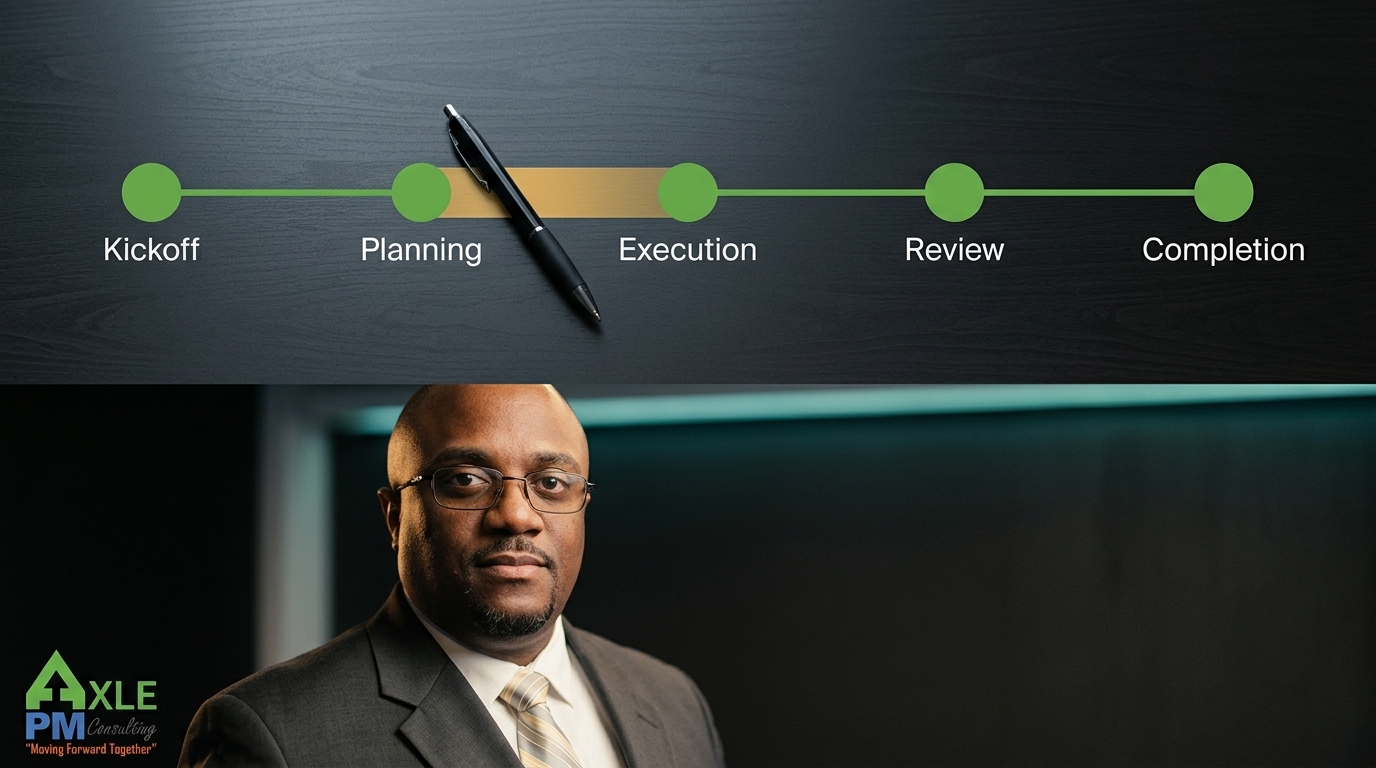
The journey from planning to completion involves a mix of agile and traditional project management techniques.
Agile and Traditional Project Management Techniques
Both agile and traditional methods have their strengths. Understanding when to use each can enhance project success.
-
Agile for Flexibility: Agile methods promote adaptability. Use them in fast-paced environments where requirements might change. They encourage iterative progress and quick adjustments.
-
Traditional for Structure: Traditional methods offer a structured approach, suitable for projects with clear requirements and timelines.
Using a combination of both methods provides the flexibility and structure needed to guide projects from start to finish.
Virtual PMO Services and Business Analysis Consulting
Virtual Project Management Offices (PMOs) and business analysis consulting offer valuable support.
-
Virtual PMOs for Remote Oversight: These services provide remote project management, reducing the overhead of in-house teams while ensuring project oversight and guidance.
-
Business Analysis for Insight: Consulting services offer insights into project needs, helping translate business goals into actionable plans.
Utilizing these services enhances project oversight and decision-making, ensuring projects stay aligned with their objectives.
Utilizing Project Dashboards for Visibility and Control
Project dashboards offer a window into project performance, providing real-time updates.
-
Set Up Dashboards: Use dashboards to track key metrics and milestones. This visibility helps in identifying issues early and making informed decisions.
-
Regularly Review Data: Analyze dashboard data to assess project health and make necessary adjustments.
Dashboards provide the control needed to guide projects to successful completion.
Frequently Asked Questions
What is project management consulting?
Project management consulting provides expertise and guidance to help organizations plan, execute, and complete projects efficiently. It involves mapping decisions, assigning roles, and implementing management techniques to ensure project success.
How does a RACI chart help in project management?
A RACI chart helps by clearly defining roles and responsibilities within a project. It outlines who is responsible, accountable, consulted, and informed for each task, ensuring clarity and preventing misunderstandings.
What are the benefits of using virtual PMO services?
Virtual PMO services offer remote project management support, reducing the need for in-house staff. They provide oversight, centralized tracking, and expert guidance, helping projects stay on track without the overhead of full-time project management teams.
How can project dashboards improve project outcomes?
Project dashboards offer real-time visibility into project performance. They help track key metrics and milestones, enabling timely decision-making and adjustments to keep projects aligned with their goals.
What is the difference between agile and traditional project management?
Agile project management is flexible and adaptive, suitable for projects with changing requirements. Traditional project management offers a structured approach, ideal for projects with defined requirements and timelines. Each method has its strengths and can be used depending on project needs.