
When planning, oversight, and reporting live in separate places, projects quietly slip off schedule and budgets start to drift. You’ve probably felt the frustration of chasing updates across disconnected plans and status reports, wondering where the gaps are hiding. The truth is, project delivery becomes far more reliable when these functions work as one connected system—creating a clear operating rhythm that keeps your team aligned and accountable. Let’s look at how integrated project management can turn scattered priorities into measurable control. For more insights, check out this resource on project oversight.
Integrated Project Management Benefits
Effective project management isn’t just about tasks. When planning, oversight, and reporting are harmonized, projects thrive. Let’s explore how connecting these elements can reshape your project outcomes.
Connecting Planning and Oversight
Imagine planning and oversight as two sides of the same coin. When they work together, your project gains strength. Planning sets the course, while oversight ensures you stay on track. This synergy reduces errors and boosts efficiency. It’s like having a GPS for your project, guiding you to success without detours.
When these functions are aligned, communication improves. Teams know what to do and when to do it, minimizing confusion. This clarity empowers your team, making it easier to meet deadlines and stay within budget. It’s not just about managing tasks; it’s about fostering collaboration and accountability.
Unified Reporting for Clarity
Unified reporting transforms how you view your project’s progress. Instead of piecing together data from various sources, you get a holistic view. This clarity enables you to make informed decisions quickly. You see where your project stands and what needs attention.
When reporting is clear, it becomes a powerful tool. You can spot trends, identify risks, and adjust strategies. This proactive approach keeps your project on schedule and within budget. It’s not just about tracking tasks; it’s about steering your project toward success.
Achieving Schedule and Budget Control
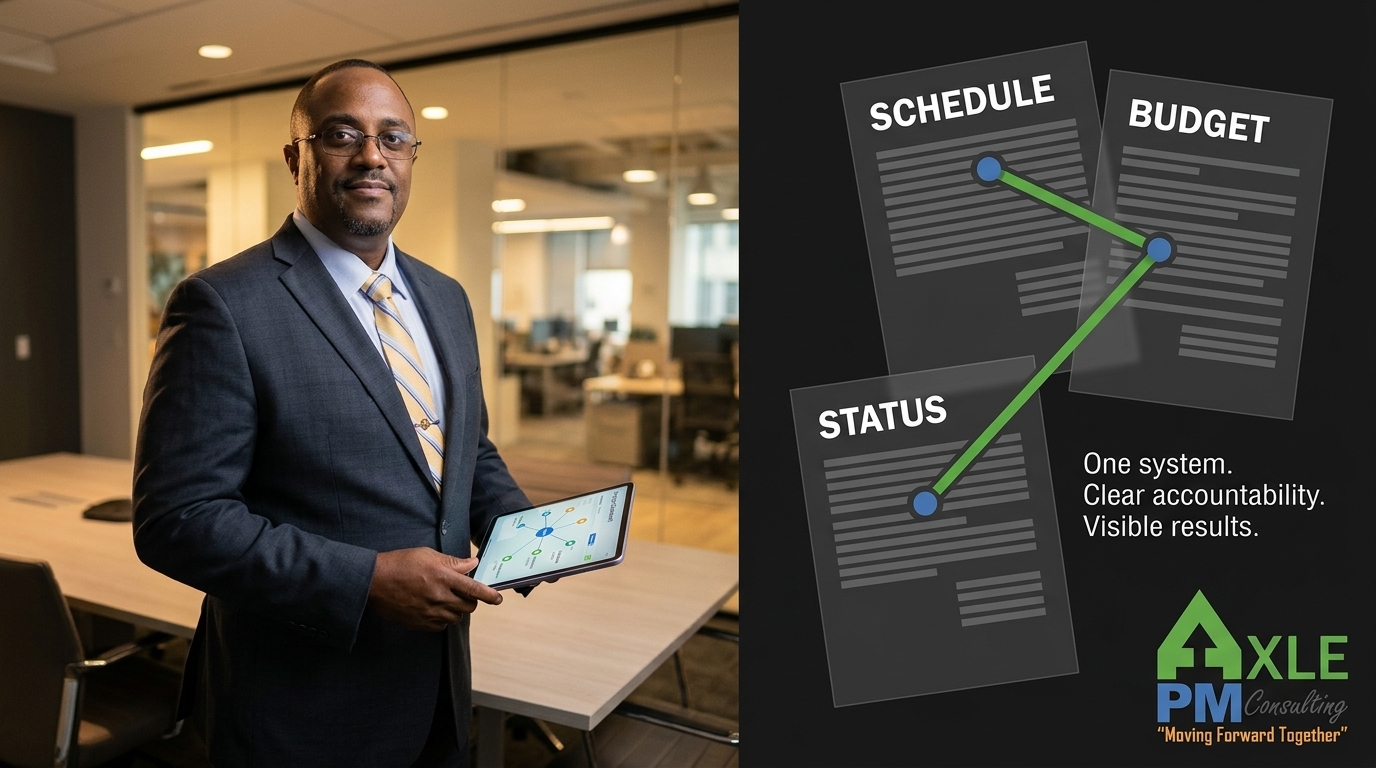
A single operating rhythm can revolutionize project management. By synchronizing planning, oversight, and reporting, you create a smooth workflow. This approach reduces the risk of delays and budget overruns.
Single Operating Rhythm Advantages
A single operating rhythm brings consistency to your project. When everyone follows the same beat, tasks flow seamlessly. This rhythm eliminates confusion and ensures everyone is on the same page. It’s like having a well-rehearsed orchestra, where each section knows their part and plays it perfectly.
This unified approach also enhances communication. Teams collaborate effectively, knowing their roles and responsibilities. With everyone aligned, your project moves forward with confidence. It’s not just about managing tasks; it’s about achieving excellence through teamwork.
Metrics-Driven Delivery Governance
Metrics-driven governance gives you control over your project’s trajectory. By setting clear metrics, you measure progress objectively. This data-driven approach highlights what’s working and what needs improvement. You can adjust strategies to stay on track and within budget.
Metrics provide insights that guide decisions. They help you allocate resources efficiently and identify potential risks. This proactive approach keeps your project aligned with its goals. It’s not just about tracking numbers; it’s about steering your project toward success.
Enhancing Project Accountability
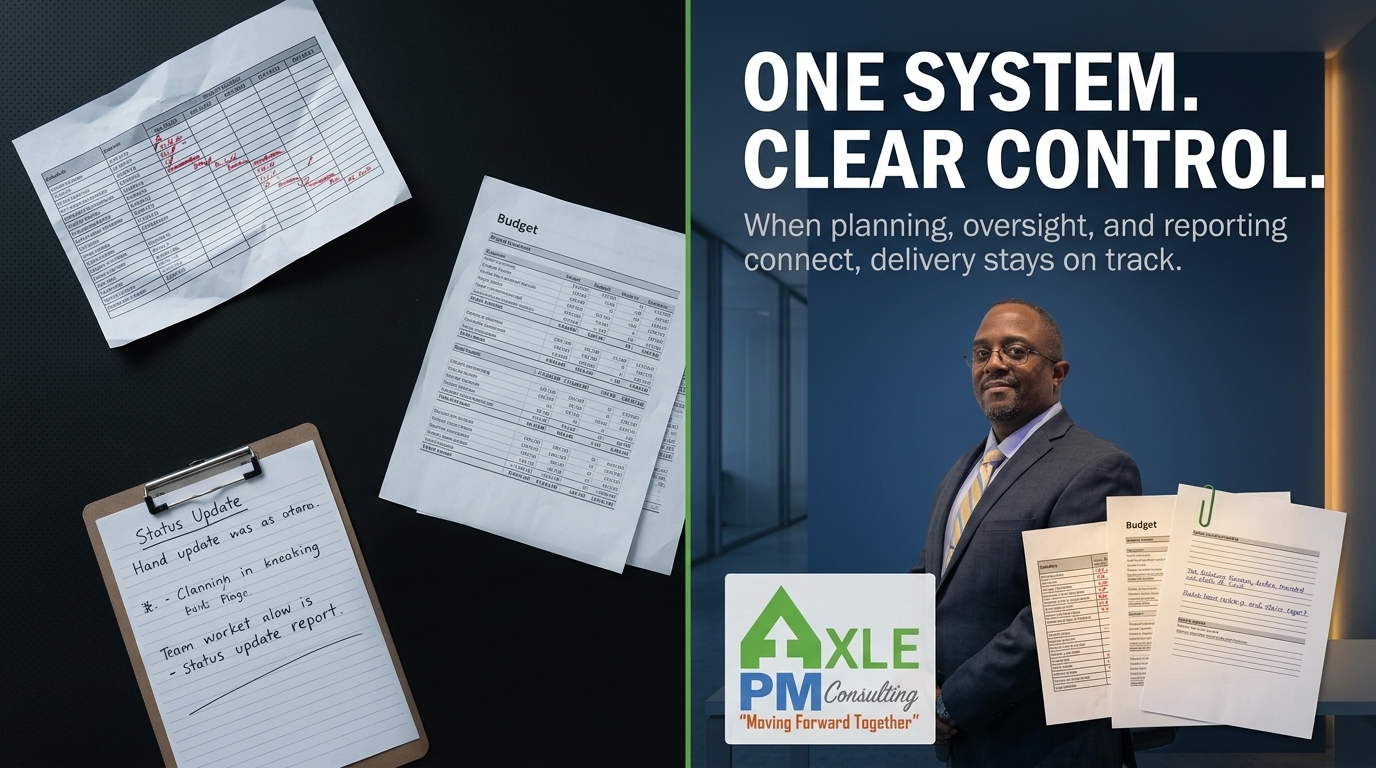
Accountability is key to successful project management. When roles are clear and responsibilities are defined, teams perform better. This section explores how accountability frameworks can enhance your project’s success.
RACI and Accountability Framework
The RACI framework clarifies roles and responsibilities. By defining who is Responsible, Accountable, Consulted, and Informed, you eliminate confusion. Teams know their roles and can execute tasks confidently. This framework fosters collaboration and ensures everyone contributes effectively.
When accountability is clear, teams work with purpose. They understand their impact on the project’s success and strive to meet their obligations. This clarity boosts morale and productivity, leading to better outcomes. It’s not just about assigning tasks; it’s about empowering your team.
Identifying Delivery Risk Indicators
Identifying risk indicators is crucial for project success. By monitoring these signals, you anticipate challenges before they escalate. This proactive approach allows you to address issues promptly, minimizing disruptions.
Risk indicators provide valuable insights. They help you allocate resources strategically and adjust timelines if necessary. This foresight keeps your project on track and within budget. It’s not just about spotting problems; it’s about preventing them from derailing your project.
Frequently Asked Questions
What is integrated project management?
Integrated project management harmonizes planning, oversight, and reporting. It creates a unified system, enhancing collaboration and efficiency. This approach reduces errors and keeps projects on schedule and within budget.
How does unified reporting benefit projects?
Unified reporting provides a comprehensive view of project progress. It enables quick, informed decisions by highlighting trends and potential risks. This clarity helps keep projects aligned with their goals.
Why is accountability important in project management?
Accountability ensures roles and responsibilities are clear. This clarity boosts team morale and productivity, leading to better project outcomes. It empowers teams to work confidently and collaboratively.
How can risk indicators improve project success?
Risk indicators help anticipate challenges before they escalate. This proactive approach allows for prompt issue resolution, minimizing disruptions and keeping projects on track.
What are the advantages of a single operating rhythm in project management?
A single operating rhythm ensures consistency and enhances communication. It aligns teams, fostering collaboration and efficient task execution. This approach reduces delays and budget overruns, driving project success.