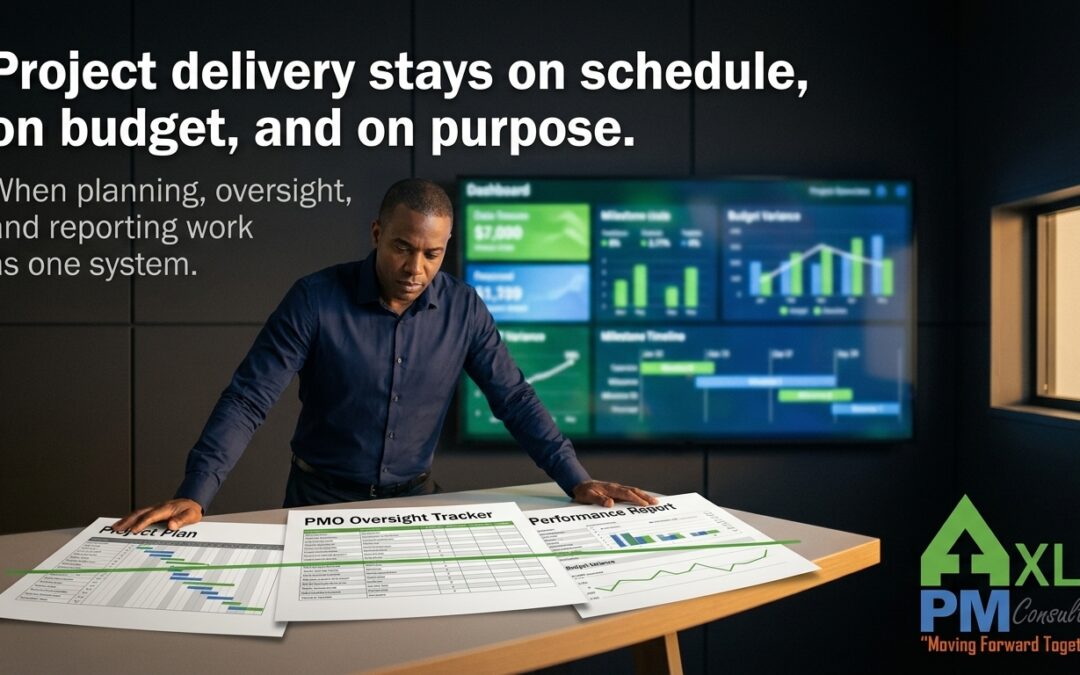
Projects seem to move forward, yet critical decisions keep slipping through the cracks of incomplete visibility. When planning, oversight, and reporting act as separate tasks, delays and budget overruns quietly creep in after the plan is set. Creating a single project operating rhythm connects these pieces, giving you clear priorities, real-time performance insights, and stronger accountability. This blog will show how unifying these functions turns scattered efforts into reliable project delivery you can count on.
Unified Project Operating Rhythm
Creating a unified rhythm between planning, oversight, and reporting is vital for successful projects. This section explores how integrating these elements enhances project management.
Integrating Planning, Oversight, Reporting
Imagine running a project where planning, oversight, and reporting are all synced. This integration ensures that nothing slips through the cracks. When you combine these elements, you create a cohesive system that supports every project’s aspect. Integrated project management helps leaders see the big picture and make informed decisions.
In this setup, planning isn’t just about setting dates. It’s about laying down a roadmap that connects oversight and reporting. Oversight then becomes more than a checklist. It’s an active process that monitors progress and flags potential issues early. Reporting, on the other hand, transforms into a live update, not just a recap of past actions. This synergy provides a solid framework for managing projects effectively. Most people think these tasks should be separate, but the truth is they function best together.
Achieving Schedule and Budget Control
To achieve control over schedules and budgets, you need a system that adapts. Integrating planning, oversight, and reporting creates a dynamic control mechanism. This means you have a clear view of your project’s status at any given time. You can anticipate challenges and make necessary adjustments before they escalate into bigger issues.
With a unified project operating rhythm, you gain the ability to track budgets more rigorously. Real-time insights allow you to manage resources effectively and prevent overspending. You no longer have to worry about unexpected delays or costs. Instead, you have a reliable system keeping everything on track. The longer## Unified Project Operating Rhythm
To deliver projects on schedule and within budget, you need to integrate planning, oversight, and reporting into one operating system. This unified approach gives you the clarity and control to make decisions swiftly.
Integrating Planning, Oversight, Reporting
Integrating these functions starts with aligning your planning and oversight processes into a single, cohesive framework. By doing so, you ensure that every part of your project works toward the same goals. Imagine having all your project data in one place: this is the power of integrated planning. It reduces miscommunication and ensures that everyone is on the same page.
In practice, this means setting clear priorities and tracking them consistently. With integrated reporting, you can easily identify where resources are needed most and adjust accordingly. Real-time insights allow for quicker decision-making, helping you stay on track. A project operating rhythm that marries these elements provides a solid foundation for reliable delivery.
Achieving Schedule and Budget Control
Achieving control over schedule and budget requires more than just planning. It needs continuous oversight and precise reporting to catch deviations early. When you integrate these functions, you create a feedback loop that keeps projects aligned with their intended outcomes.
Consider how many projects falter because budget overruns aren’t spotted until it’s too late. With a unified system, budget monitoring becomes part of daily operations. Regular updates ensure that any financial discrepancies are immediately visible and can be addressed before they escalate. This approach not only protects your budget but also builds confidence in project outcomes.
Overcoming Project Maturity Breakdowns
Project maturity often breaks down when handoffs are poorly managed and drift occurs. By identifying and addressing these issues, you can enhance project delivery and maintain momentum.
Identifying Handoffs and Drift
In many projects, lack of clarity during handoffs can lead to drift, where tasks are delayed or lost altogether. The solution lies in clear communication and structured transitions between phases. When each team knows their responsibilities and deadlines, drift is minimized.
This is where a project maturity assessment comes in. It evaluates current processes and highlights areas for improvement. By understanding where breakdowns typically occur, you can implement strategies to address them. Clear handoff procedures ensure continuity, while regular check-ins keep everyone accountable.
Creating Accountability and Clarity
Accountability thrives in an environment where clarity reigns. When roles and expectations are well-defined, team members are more likely to meet their responsibilities. Establishing clear milestones allows for measurable progress, which keeps the project on track and stakeholders informed.
Creating an accountability framework involves setting performance dashboards and key performance indicators (KPIs). This not only aids in tracking progress but also in making informed decisions. With performance dashboards, you can visualize project health at a glance, making it easier to spot potential issues before they become problems.
The Path to Reliable Project Delivery

Achieving reliable project delivery requires enhancing transparency and empowering leaders to foster operational excellence.
Enhancing Project Status Transparency
Transparency in project status ensures that everyone involved has access to the same information. This is crucial for maintaining trust and ensuring that all stakeholders are informed about progress. Integrated project management systems can provide this level of visibility, offering insights into every aspect of the project.
When project status is transparent, it becomes easier to identify risks and make necessary adjustments. Providing regular updates reduces uncertainty and allows leaders to make timely decisions. This approach not only improves project delivery but also enhances stakeholder confidence.
Empowering Leaders with Operational Excellence
Operational excellence is achieved when leaders are empowered with the right tools and insights to guide their teams effectively. By implementing a unified project management system, leaders can focus on strategy and direction rather than getting bogged down by day-to-day issues.
Empowering leaders involves giving them access to detailed reports and analytics. This enables them to understand project dynamics and make data-driven decisions. With the support of agile project management, leaders can adapt to changes swiftly, ensuring projects remain aligned with their goals. A focus on excellence transforms how projects are delivered, making success a repeatable outcome.
Frequently Asked Questions
What is a project operating rhythm?
A project operating rhythm is a systematic approach that integrates planning, oversight, and reporting into one seamless process. It ensures that all aspects of a project are aligned and allows for real-time decision-making.
How does integrated planning help in project management?
Integrated planning combines all project elements into a single framework, eliminating silos and miscommunication. This leads to better resource allocation, clearer priorities, and a cohesive project strategy that aligns with organizational goals.
Why is transparency important in project status reporting?
Transparency in reporting ensures that stakeholders are consistently informed about project progress. It builds trust and facilitates timely intervention when issues arise, keeping projects on track and within budget.
What role do performance dashboards play in project management?
Performance dashboards provide a visual representation of project metrics, making it easier to monitor progress and identify potential issues. They are essential for maintaining accountability and ensuring that projects meet their intended outcomes.
How can a project maturity assessment benefit my organization?
A project maturity assessment evaluates your current project management practices, identifying strengths and areas for improvement. It helps in aligning processes with best practices, ultimately leading to more reliable project delivery.