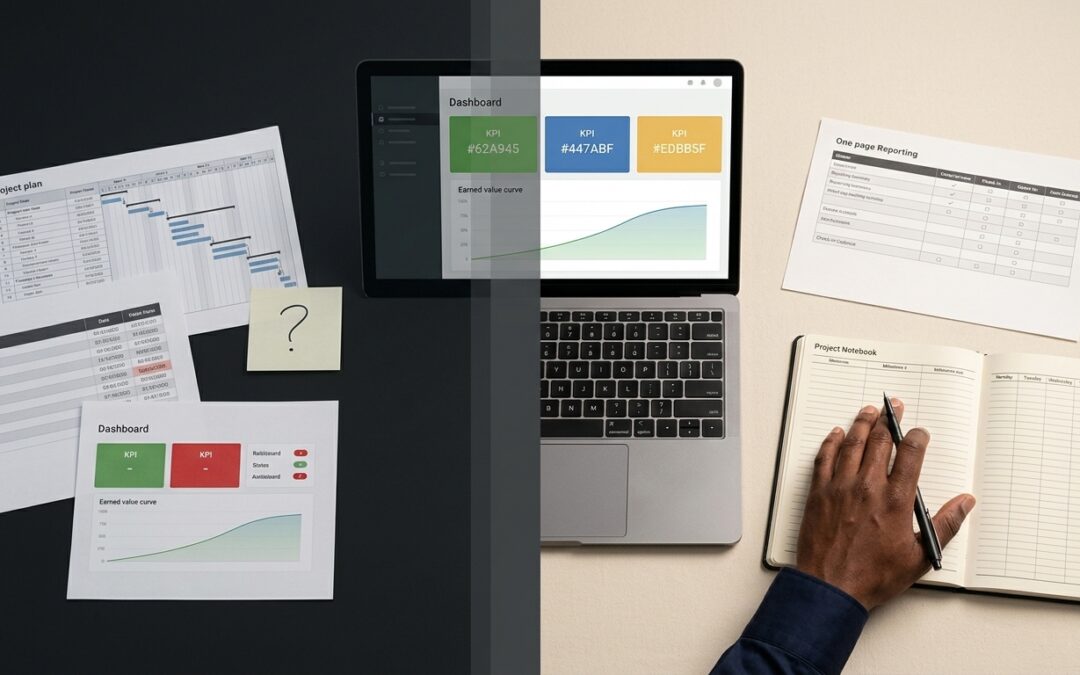
Most projects slip off schedule and over budget because planning, oversight, and reporting run in separate lanes. When these functions finally move together as one integrated project management system, your team gains early, clear risk visibility and steady project delivery momentum. This alignment turns fiscal year planning pressure into a controlled, accountable process with dashboards, KPIs, and earned value management driving every decision. Keep reading to see how uniting these elements changes everything for your project oversight. For more insights into effective project oversight, visit this resource.
Unified Project Execution
Imagine a world where your projects not only start strong but finish with the same momentum. By uniting planning, oversight, and reporting, you create a seamless flow of information and action. This alignment is the key to avoiding last-minute surprises and keeping projects on track.
Planning, Oversight, Reporting Harmony
When these functions work together, your team gains clarity and direction. No more silos, just a unified system that supports every step of your project. This holistic approach is essential to maintaining control over timelines and budgets.
In a disconnected system, each part may strive for its own goals, leading to chaos. But with a harmonized approach, everyone moves toward a shared purpose. This not only boosts efficiency but also cultivates a sense of teamwork.
Benefits of Integrated Systems
Having an integrated system means fewer delays and more predictable outcomes. You can anticipate risks before they materialize, thanks to real-time data and insights. This system empowers decision-makers, providing the information needed to act promptly and effectively.
An integrated approach also reduces duplication of efforts. By streamlining processes, teams can avoid unnecessary work and focus on what matters most: delivering quality results on time. This means happier stakeholders and more satisfied clients.
Overcoming Disconnected Cadences
Many teams face the challenge of misaligned schedules and reporting. This can lead to missed opportunities and frustration. With a unified system, you align these elements, ensuring everyone stays on the same page.
Disconnected cadences often result in reactive management. But when your team operates in sync, you can proactively address issues and keep projects moving forward. This leads to fewer surprises and more strategic use of resources.
The Power of Early Risk Visibility
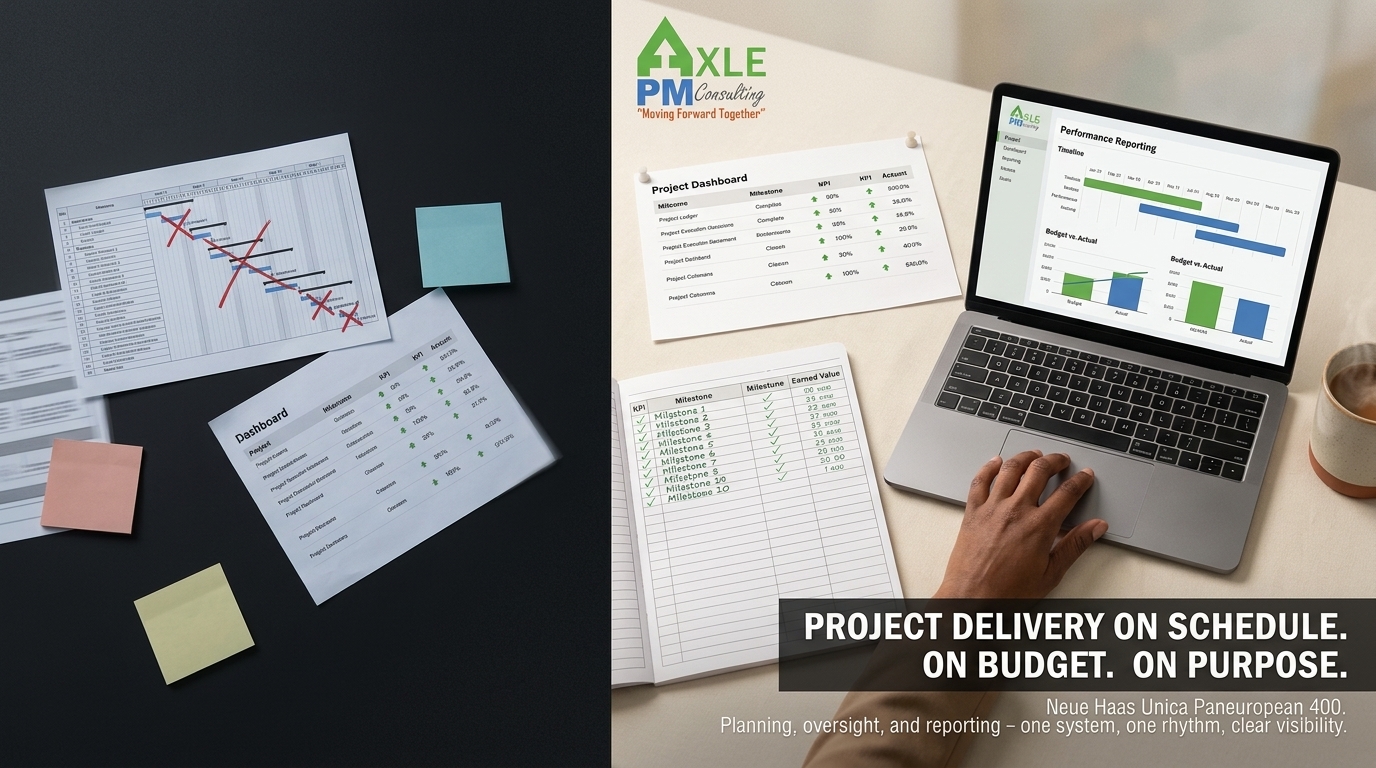
Understanding potential risks early can drastically change the outcome of your projects. With a unified execution system, you gain the foresight needed to navigate challenges before they escalate.
Identifying Risks with Earned Value Management
Earned value management (EVM) is a powerful tool for identifying risks early. By comparing planned progress against actual performance, you can spot variances that signal potential issues. This proactive approach allows you to make informed decisions that keep projects on track.
EVM provides a clear picture of where your project stands. It’s like having a radar that alerts you to incoming storms, allowing you to steer clear of danger. With this method, you can manage resources more effectively and avoid costly missteps.
Utilization of Dashboards and KPIs
Dashboards and KPIs provide real-time insights into project health. They allow you to monitor progress and performance at a glance. This visibility is crucial for identifying trends and making adjustments as needed.
These tools serve as a compass, guiding your team toward the project’s objectives. By keeping key metrics front and center, you ensure that every decision is data-driven. This not only enhances accountability but also fosters a culture of transparency.
Project Controls and Reporting Cadence
Establishing strong project controls is essential for maintaining consistency. A well-defined reporting cadence ensures that updates are timely and actionable. This keeps everyone informed and aligned with the project’s goals.
A regular cadence also helps in spotting trends over time. It enables your team to anticipate challenges and adjust strategies accordingly. This proactive stance is what sets successful projects apart from those that falter.
Achieving Project Delivery Momentum
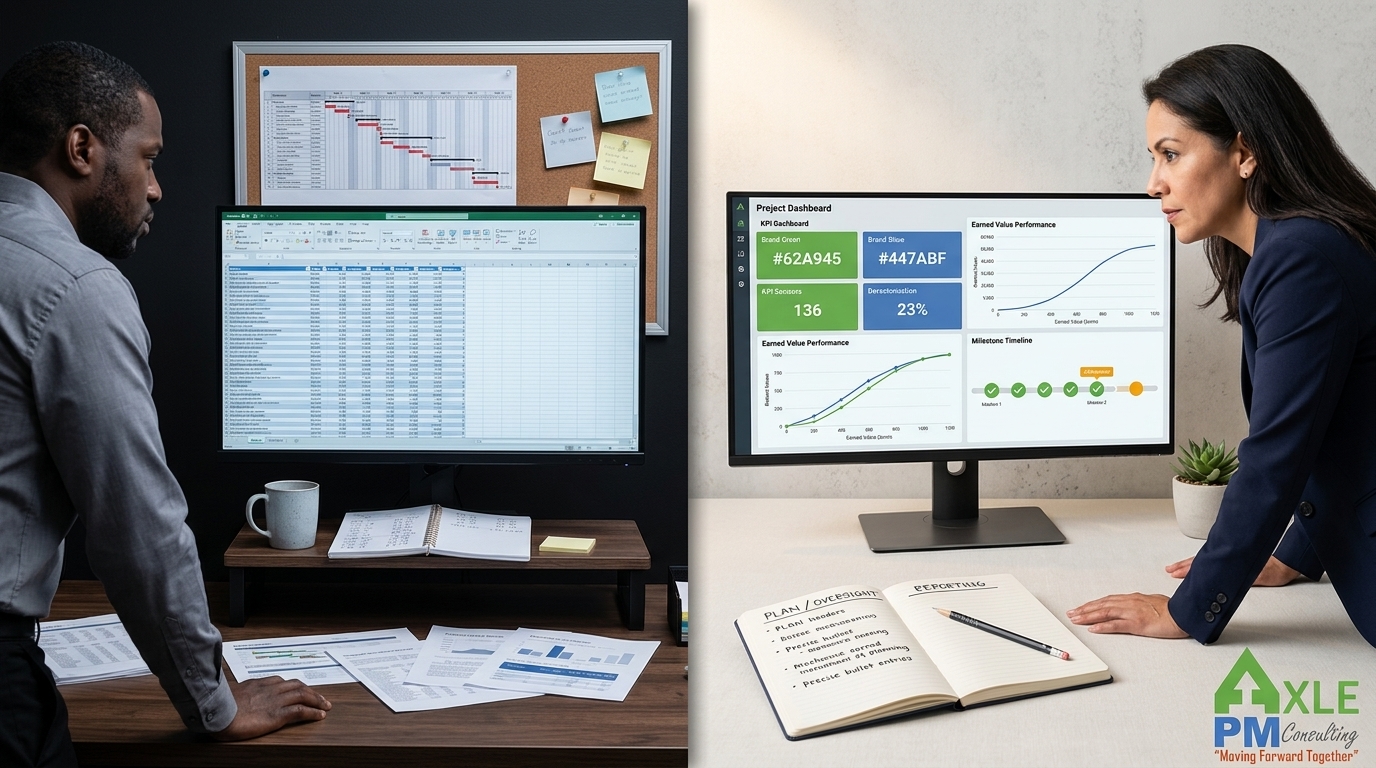
Momentum is the secret ingredient to successful project delivery. By maintaining a steady rhythm, you ensure that your team remains focused and productive. This continuous flow is vital for meeting deadlines and exceeding expectations.
RACI Ownership and Accountability
RACI charts clarify roles and responsibilities, ensuring everyone knows their part. This clarity eliminates confusion and fosters a sense of ownership. When each team member understands their role, accountability naturally follows.
Having a clear RACI model empowers individuals to take initiative. It provides a framework for collaboration, where everyone contributes to the project’s success. This shared responsibility is what drives projects forward.
Aligning with Fiscal Year Planning
Aligning your projects with fiscal year planning creates a roadmap for success. By syncing goals and budgets, you set the stage for smooth execution. This alignment ensures that resources are allocated efficiently and strategically.
Fiscal year planning also offers a chance to reassess priorities. It provides an opportunity to align projects with broader organizational objectives. This strategic perspective is key to achieving long-term growth and sustainability.
Virtual PMO for Consistent Oversight
A virtual PMO offers flexibility without sacrificing oversight. It provides the same level of control as an in-house team, but with added scalability. This makes it an ideal solution for organizations looking to optimize resources.
With a virtual PMO, you gain access to expert guidance and support. This ensures that your projects remain on track, regardless of location or scale. It’s a cost-effective way to maintain momentum and achieve your goals.
Frequently Asked Questions
What is a unified project execution system?
A unified project execution system integrates planning, oversight, and reporting into one cohesive process. This approach ensures that all project components work together seamlessly, reducing inefficiencies and enhancing performance.
How does earned value management help in risk identification?
Earned value management compares planned progress to actual performance, revealing variances that may indicate risks. This allows project managers to address potential issues early, ensuring projects remain on schedule and within budget.
Why is a virtual PMO advantageous?
A virtual PMO provides flexible, scalable project management support without the overhead of a full-time in-house team. It ensures consistent oversight and expert guidance, helping organizations optimize resources and achieve successful project outcomes.