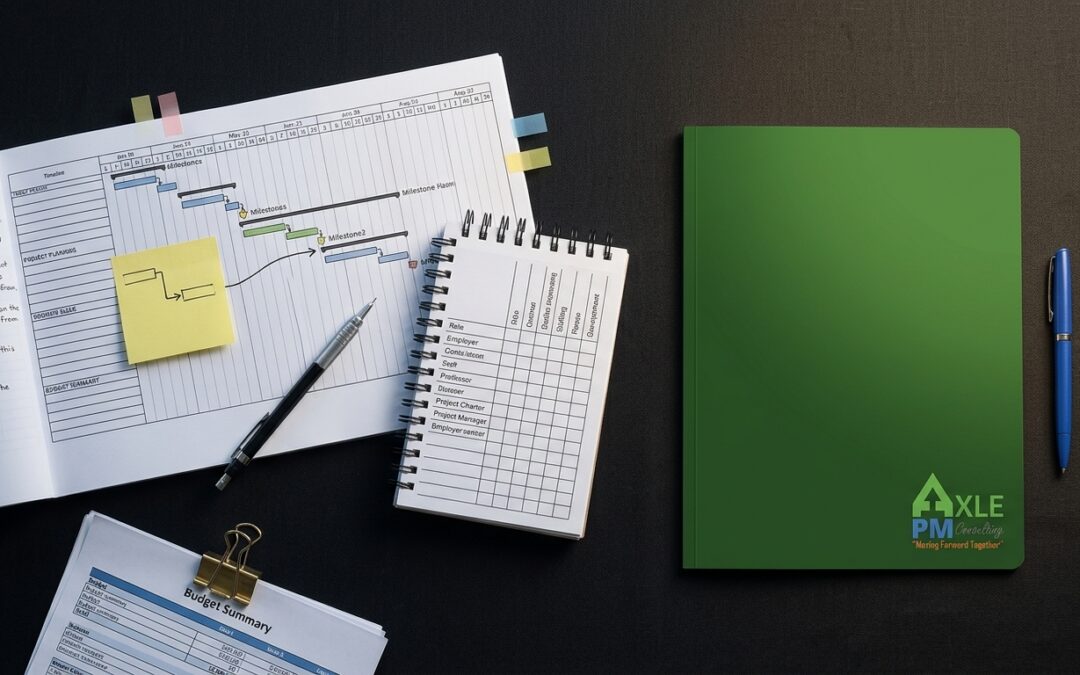
Most project delays start before work even begins: a date is set, but no clear resource plan backs it up. You need more than hope to launch fast—your team needs clear timelines, budgets, and resource plans that show exactly what’s funded and staffed. With this kind of project readiness, you’ll approve with confidence during budget season and avoid costly rework later. Here’s how disciplined planning turns fast starts into accountable execution. Explore more about resource planning in project management.
The Power of Clear Timelines
Clear timelines do more than schedule tasks; they lay the groundwork for confident execution. They equip your team with a structured path forward, removing ambiguity and preventing delays right from the start.
Building Confidence from Day One
Timelines boost confidence by setting defined goals from day one. When each team member knows their role and deadline, there’s less room for confusion. This clarity leads to smoother operations. With a structured schedule, teams can focus on their tasks without second-guessing priorities. This project management consulting approach empowers teams to tackle roles efficiently.
Avoiding Common Project Delays
Delays often arise from unclear timelines and undefined roles. By establishing a clear schedule, you minimize these risks. A well-outlined timeline acts as a roadmap, guiding teams and avoiding common pitfalls. Structural clarity helps teams identify and mitigate potential roadblocks early. Most people think delays are inevitable, but a clear plan often proves otherwise.
Aligning Timelines with Goals
Aligning timelines with project goals ensures that every step moves the project toward completion. This alignment keeps teams focused and ensures resources are utilized effectively. When timelines reflect project goals, teams work efficiently, aligning efforts with strategic objectives. This ensures that each task is purposeful, contributing to overall project success.
Effective Budget Season Planning
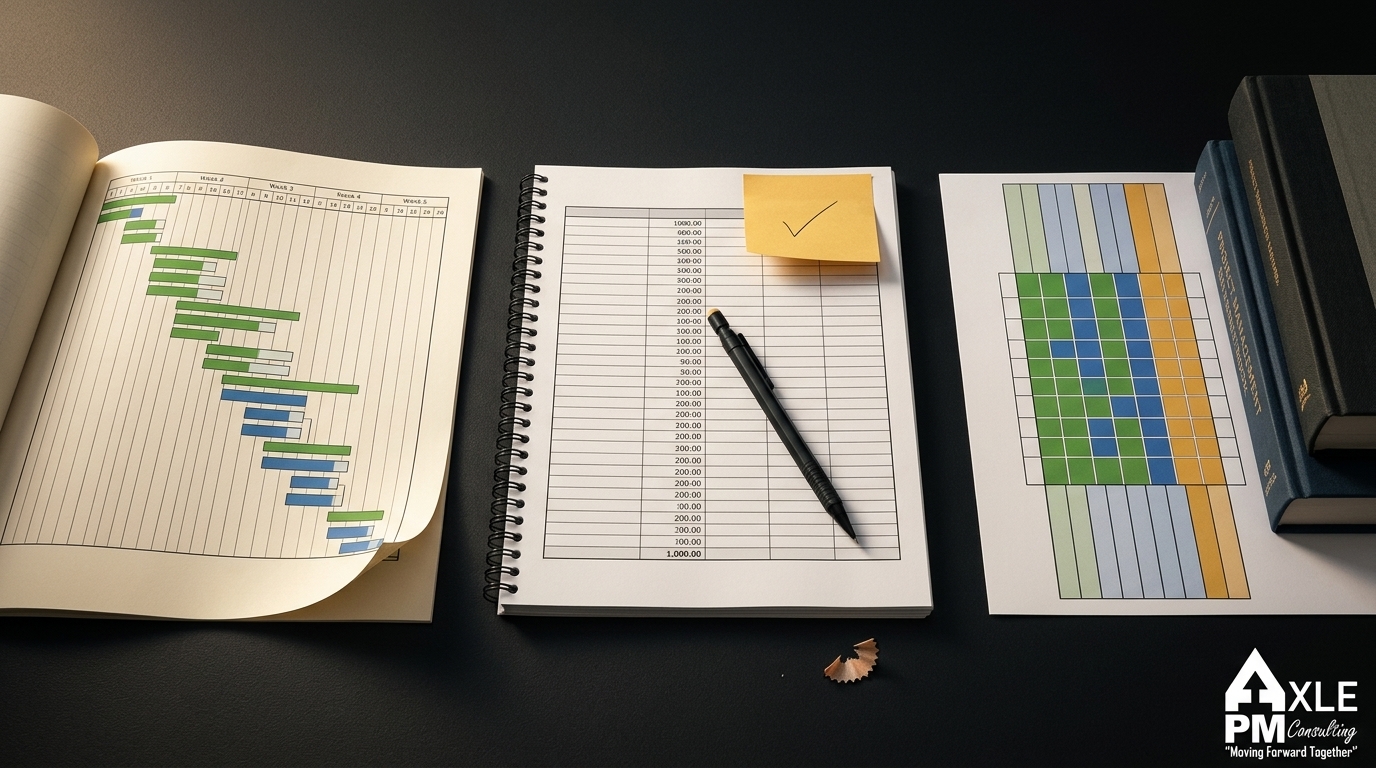
Budget season planning is crucial for project readiness. By establishing a clear cost baseline, you can ensure that your project is financially viable from the start.
Creating a Cost Baseline
A cost baseline is essential in managing project finances. It helps allocate resources wisely and keeps spending within limits. By setting a cost baseline, you establish a financial framework for your project. This framework aids in tracking expenses, ensuring they align with initial estimates. It provides a reference point for monitoring actual costs against planned budgets.
Ensuring Approval-Ready Plans
Approval-ready plans are key in gaining stakeholder confidence. They demonstrate that your project is well-planned and financially sound. By presenting detailed plans, you reassure stakeholders of project viability. This reassures stakeholders that resources and timelines are effectively managed, reducing the likelihood of costly rework.
Budget Season Planning for Success
Success during budget season means having a comprehensive plan ready. A detailed plan facilitates smooth approvals and project initiation. When plans account for all variables, stakeholders feel more secure in their decisions. This thorough preparation ensures that your project begins with confidence, reducing the chance of future financial surprises.
Comprehensive Resource Planning
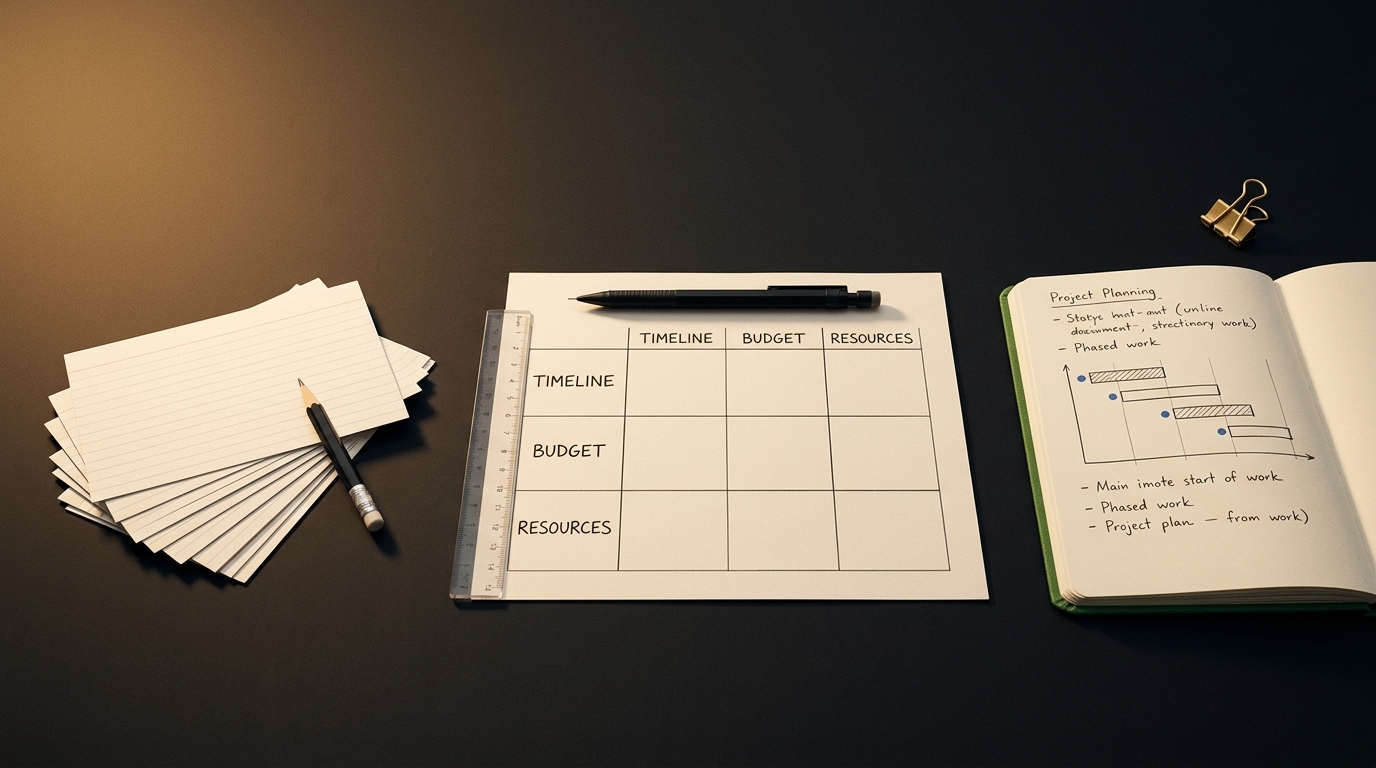
Resource planning is the backbone of effective project management. It ensures that all necessary assets are available when needed.
Capacity Planning Essentials
Capacity planning determines what resources are required and when. Adequate planning prevents resource shortages, keeping projects on track. By assessing resource needs, you prevent bottlenecks that could delay project progress. This proactive approach ensures that projects have what they need, when they need it. For more insights, explore resource planning techniques.
The Role of a PMP Certified Manager
A PMP certified manager brings expertise in managing complex projects. Their skills ensure that projects are executed smoothly and efficiently. Certified managers provide the expertise needed to navigate project complexities. They bring best practices and structured processes to project management, ensuring successful outcomes. Their experience is pivotal in guiding projects from planning to execution.
Building an Agile-Ready Team
An agile-ready team adapts quickly to changes, maintaining project momentum. This adaptability is crucial in today’s fast-paced project environments. Agile teams respond effectively to evolving project demands, keeping projects on track. They thrive in dynamic settings, ensuring that project goals are met despite changing conditions. Building such a team requires focus on flexibility and continuous improvement.
Frequently Asked Questions
What is the importance of having a clear project timeline?
A clear project timeline sets defined goals and deadlines, reducing confusion and improving task focus. It acts as a roadmap, guiding teams and minimizing delays.
How does a cost baseline aid in project planning?
A cost baseline provides a financial framework for tracking expenses, ensuring they align with initial estimates and helping manage project finances effectively.
What role does a PMP certified manager play in project execution?
A PMP certified manager brings expertise and structured processes to project management, guiding projects smoothly from planning to execution and ensuring successful outcomes.