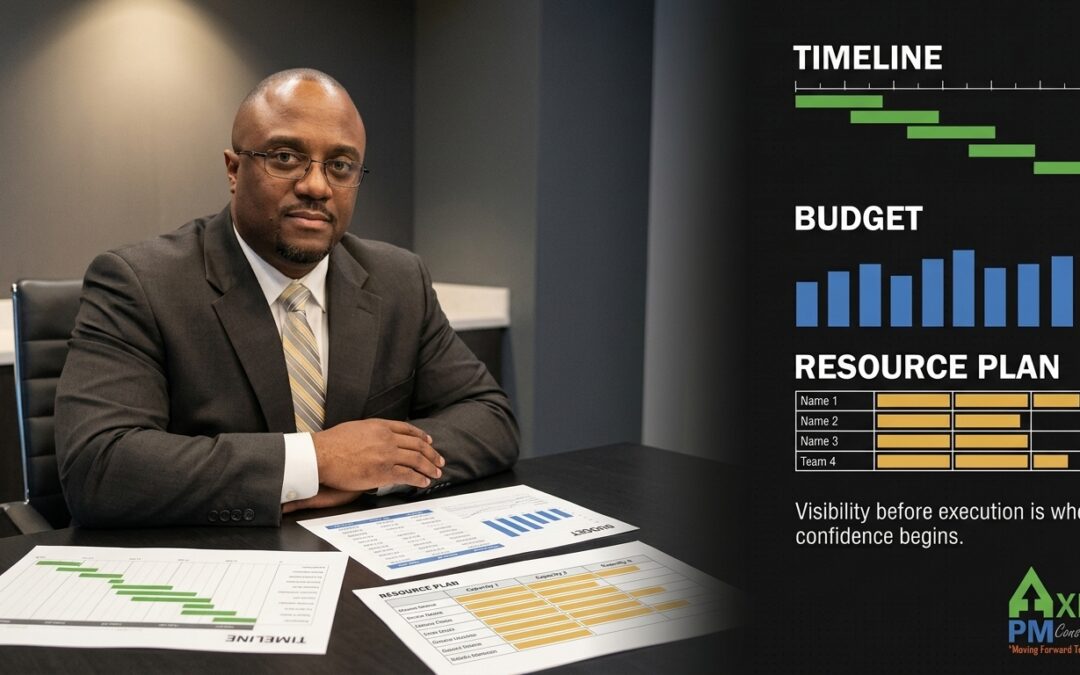
Most projects stumble before they even start because timelines, budgets, and resource plans stay hidden or vague. You know the uncertainty this creates: missed deadlines, overspending, and frustrated teams. When these three elements become clear from day one, your team gains real accountability and control, setting a realistic course for success. Let’s break down how visible project timeline, budget, and resource planning lay the foundation for disciplined execution before the first task kicks off. For more insights on structuring your project plans effectively, consider exploring this guide.
Visible Planning Creates Confidence
When you know exactly where your project stands, you feel in control. This clarity comes from having a clear plan that includes timelines, budgets, and resource allocation. Let’s explore why making these elements visible from the start is crucial for project success.
Importance of Project Timelines
A project timeline is your roadmap, detailing every milestone and task. It helps the team know what to expect and when. Without a timeline, projects can quickly fall off track. A well-structured timeline provides a path to follow, reducing confusion and ensuring everyone is on the same page.
Timelines are not just about dates. They highlight dependencies and potential bottlenecks early. This foresight allows you to address issues before they impact the project. With clear timelines, teams can focus on their tasks, knowing that the project is progressing as planned. For further reading on managing project timelines, check out Galorath’s resource.
Setting a Baseline Schedule
Creating a baseline schedule means setting the initial timeline against which project progress is measured. It acts as a benchmark for tracking project performance. A baseline schedule allows you to compare actual progress to the planned timeline, making it easier to identify delays and adjust plans accordingly.
A baseline helps in managing expectations. When changes occur, you can evaluate their impact on the project timeline. This proactive approach prevents surprises and keeps stakeholders informed. Having a baseline schedule is essential for maintaining project control and ensuring timely delivery.
Budgeting for Success
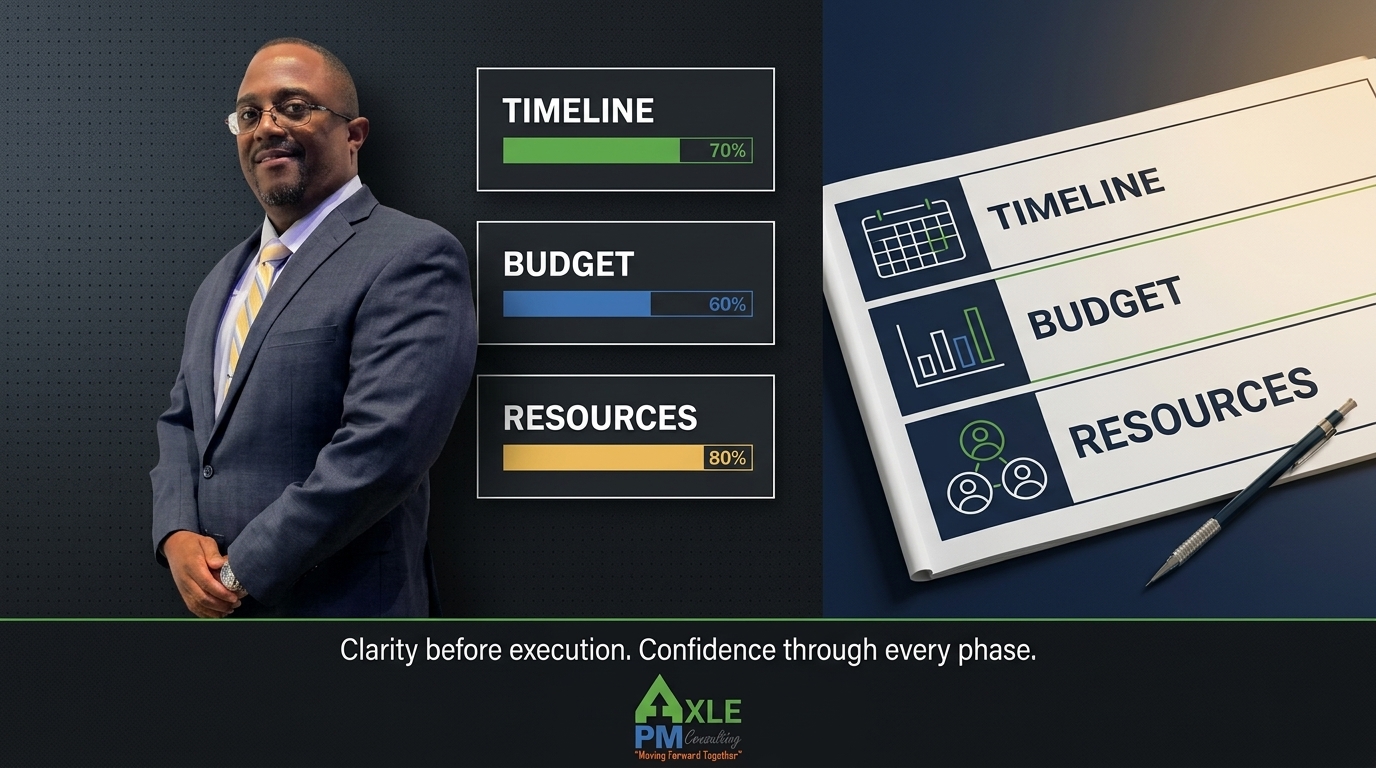
Budgeting is a critical component of project planning. A clear budget sets financial boundaries, ensuring resources are used effectively. Understanding how to budget properly can make or break a project.
Understanding Project Budgets
A project budget outlines the financial resources needed for a project. It accounts for labor, materials, equipment, and other costs. A well-thought-out budget helps prevent overspending and ensures the project stays within its financial limits.
Budgets also serve as a tool for measuring project health. By tracking expenses against the budget, you can identify areas where spending is off course. This insight allows for timely adjustments, ensuring financial control throughout the project lifecycle. Discover more about managing project budgets effectively from Management Center’s sample.
Managing Variance and the Burn Rate Model
Variance management involves comparing actual costs to the budgeted amounts. When variances occur, it’s crucial to understand why and adjust plans accordingly. This oversight helps maintain financial discipline and project success.
The burn rate model is a method of tracking how quickly a project is consuming its budget. By monitoring the burn rate, you can forecast future spending and make informed financial decisions. Keeping an eye on the burn rate ensures that the project does not exceed its budget and jeopardizes its completion.
Effective Resource Planning
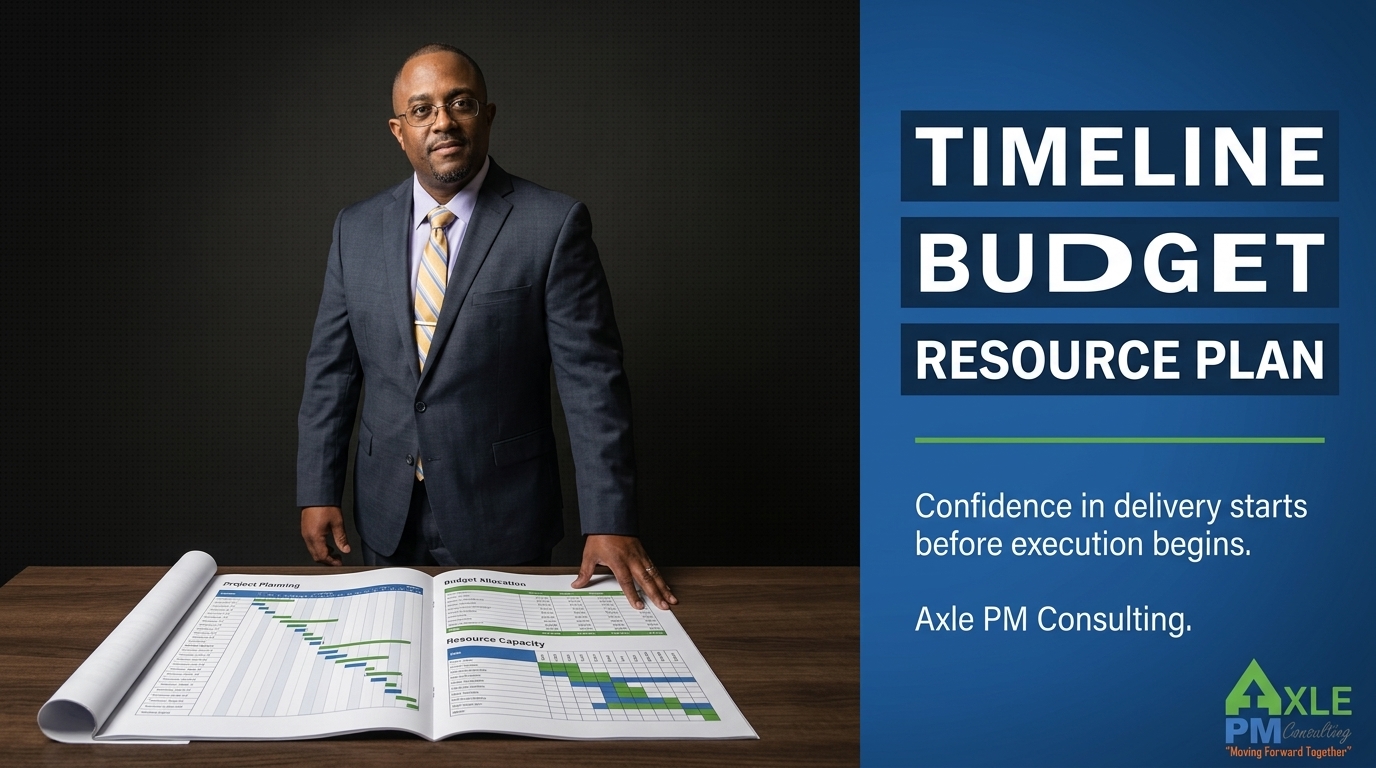
Resource planning ensures that the right people and materials are available when needed. Proper planning helps in maximizing productivity and minimizing delays.
RACI and Roles in Resource Planning
The RACI matrix is a tool that defines roles and responsibilities within a project. It clarifies who is responsible, accountable, consulted, and informed for each task. By using a RACI matrix, you can prevent misunderstandings and ensure everyone knows their role.
Clearly defined roles enhance team collaboration. When everyone understands their responsibilities, projects run smoother, and productivity increases. A well-structured RACI matrix contributes to effective resource planning and project success.
Capacity Planning and the Critical Path Method
Capacity planning involves assessing the resources needed to meet project demands. It ensures that the team is not overloaded and that resources are allocated efficiently. Proper capacity planning prevents burnout and boosts project efficiency.
The Critical Path Method (CPM) is a technique used to identify the longest sequence of tasks that determine the project duration. By knowing the critical path, you can prioritize tasks and manage resources effectively to ensure timely project completion. For more on practical planning techniques, visit Adobe’s project plan insights.
Frequently Asked Questions
What is a project timeline, and why is it important?
A project timeline outlines the sequence of tasks and milestones in a project. It is crucial because it provides a roadmap for the team, ensuring everyone knows what to expect and when, thus preventing delays and confusion.
How does a baseline schedule help in project management?
A baseline schedule serves as a benchmark for tracking project progress. It allows you to compare actual performance against planned timelines, helping to identify and address any delays promptly.
What is the burn rate model, and how does it impact budgeting?
The burn rate model tracks how quickly a project is consuming its budget. Monitoring the burn rate helps in forecasting future spending, ensuring the project remains within financial limits.
How does a RACI matrix improve resource planning?
A RACI matrix defines roles and responsibilities within a project, clarifying who is responsible, accountable, consulted, and informed for each task. It prevents misunderstandings and enhances team collaboration.
Why is the Critical Path Method important in project management?
The Critical Path Method identifies the longest sequence of tasks that determine the project duration. Understanding the critical path helps prioritize tasks and manage resources effectively, ensuring timely project completion.