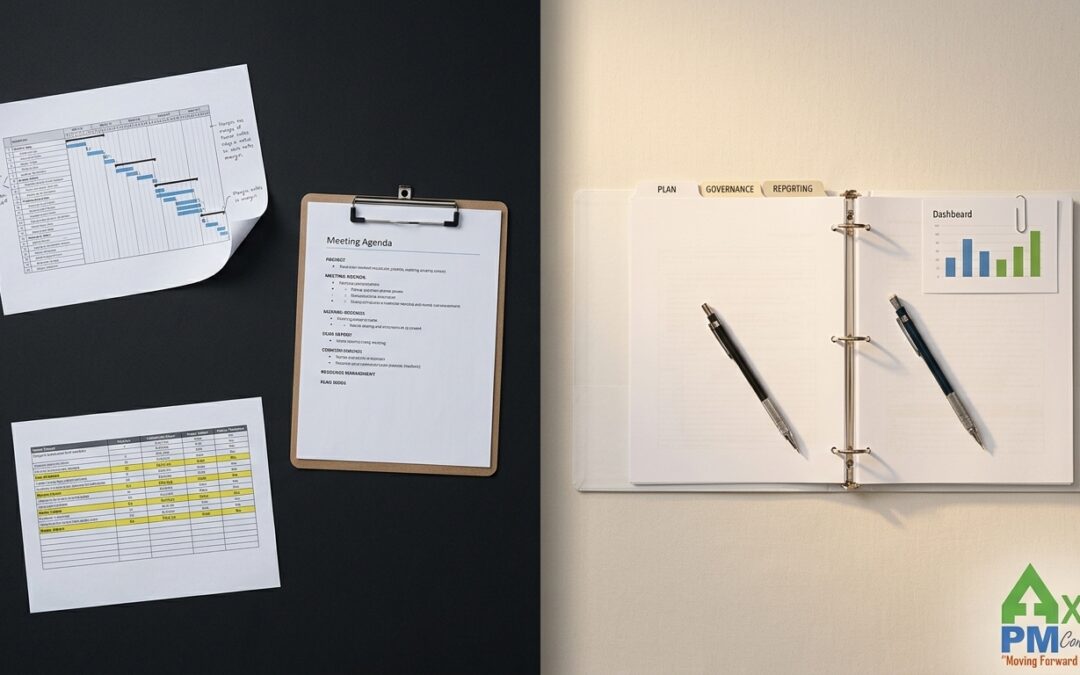
Most project plans fall apart when planning, oversight, and reporting live in separate silos. You scramble through budget season chasing status updates, but the finish line keeps slipping as risks go unaddressed. Integrating these functions into one project operating system provides the clarity and control leaders need to defend progress and secure funding without the usual chaos. Here’s how a unified approach turns scattered data into clear decisions that keep your projects on schedule, on budget, and on purpose. Explore more about project budget control.
Unified Project Management System
Integrating Planning and Oversight
Creating a unified system for planning and oversight ensures projects remain aligned with fiscal priorities. The benefit? You gain control over your project’s direction. Centralized planning allows you to track progress and manage resources effectively. When plans and oversight merge, you minimize the risk of missed deadlines and budget overruns. It’s like having a compass that keeps your project on course.
Imagine coordinating a team where everyone knows their role and upcoming tasks. That’s what integrating planning and oversight achieves. Your team operates more smoothly, leading to fewer surprises and more predictable outcomes. This alignment helps in reducing confusion and focusing efforts on what truly matters: advancing the project. Clear communication becomes the norm, not the exception.
Streamlining Reporting Processes
When reporting is streamlined, decision-making becomes more straightforward. You get clear insights without sifting through endless data. A well-integrated reporting system offers real-time updates, which means you can make informed choices quickly. This clarity is crucial during tight deadlines or unexpected challenges.
Consider how streamlined reporting changes the game: you can easily identify trends and potential issues. This proactive approach helps in addressing risks before they become problems. It’s not just about data collection; it’s about using that information to guide future actions. By simplifying reporting, you make your projects more manageable and less stressful.
Achieving Project Budget Control
Maintaining control over the budget ensures a project’s success. You avoid unexpected costs and align spending with financial goals. A unified approach to budget control offers transparency and accountability, keeping everyone on the same page. This control means you can confidently present your project’s financial status to stakeholders.
By integrating budget management into your project system, you ensure resources are allocated efficiently. This reduces waste and maximizes the impact of every dollar spent. Learn more about project budget management. When budget control is part of the process, you minimize financial risks and enhance project credibility.
Governance Cadence for Success

Stage-Gate Governance Explained
Stage-gate governance is a structured way to manage projects. It breaks down the process into clear phases, making it easier to monitor progress. By evaluating each stage before moving forward, you ensure that every part of the project is on track. This method reduces the chance of errors and enhances accountability.
Think of stage-gate governance as a traffic light system for projects. It signals when it’s safe to proceed or when adjustments are needed. This structured approach helps in managing complex projects by breaking them into manageable parts. It encourages timely decision-making and keeps everyone informed.
Decision Rights and Risk Management
Establishing clear decision rights is crucial for effective risk management. You know who is responsible for what, which minimizes confusion. Assigning decision rights means potential risks are addressed swiftly and efficiently. This clarity empowers your team and builds confidence.
Risk management is not just about identifying potential issues; it’s about having a plan to deal with them. With defined decision rights, you can respond to challenges proactively. This readiness reduces interruptions and maintains project momentum. A well-prepared team is better equipped to handle unforeseen events.
Executive Reporting for Clarity
Executive reporting provides a snapshot of the project’s status. It offers key insights that help leaders make informed decisions. With executive reporting, you see the big picture without getting lost in the details. This clarity supports strategic planning and enhances transparency.
Imagine presenting a clear, concise report to your stakeholders. Executive reporting makes this possible by highlighting essential metrics. It simplifies communication and ensures everyone understands the project’s current state. Check out how executive reporting dashboards can enhance clarity.
Fiscal Year Planning Essentials

Portfolio Prioritization Strategies
Effective portfolio prioritization ensures resources are used wisely. You focus on projects that align with strategic goals. This approach helps in maximizing the impact of your efforts. By prioritizing, you ensure that high-value projects receive the attention they deserve.
Prioritization is like setting a roadmap for success. It directs energy towards initiatives that drive growth and value. By evaluating projects based on their potential impact, you make informed decisions about where to invest time and resources. This strategy supports long-term success.
Schedule Performance and Metrics
Tracking schedule performance helps in maintaining project momentum. You know how well your team is meeting deadlines and can adjust as needed. Accurate metrics provide insights into areas of improvement, ensuring continuous progress. This data-driven approach enhances project efficiency.
Metrics serve as a guide, showing where adjustments are necessary. They help in identifying bottlenecks and improving productivity. By focusing on performance metrics, you create a culture of accountability and excellence. Your team becomes more agile and responsive to change.
Benefits of Agile Project Leadership
Agile project leadership offers flexibility and adaptability. It allows you to respond to changes without losing sight of the end goal. Agile practices promote collaboration, ensuring everyone is on the same page. This approach fosters innovation and enhances project outcomes.
With agile leadership, your team can pivot quickly and effectively. This responsiveness is vital in today’s fast-paced environment. By embracing agile methods, you create a dynamic work environment that encourages growth and innovation. Discover more about the benefits of agile project leadership.
Frequently Asked Questions
What is a unified project management system?
A unified project management system integrates planning, oversight, and reporting into one cohesive process. It ensures alignment with strategic goals and provides clear insights for decision-making.
How does stage-gate governance work?
Stage-gate governance divides a project into phases, requiring evaluation at each stage before proceeding. This structured approach reduces errors and enhances accountability.
Why is executive reporting important?
Executive reporting offers a concise overview of a project’s status, helping leaders make informed decisions. It provides clarity and supports strategic planning, ensuring everyone is aligned.
What are the benefits of agile project leadership?
Agile project leadership promotes flexibility and collaboration. It allows teams to adapt quickly to changes, fostering innovation and improving project outcomes.
How can I achieve better project budget control?
Integrating budget management into your project system provides transparency and accountability. This control reduces financial risks and enhances the credibility of your project.