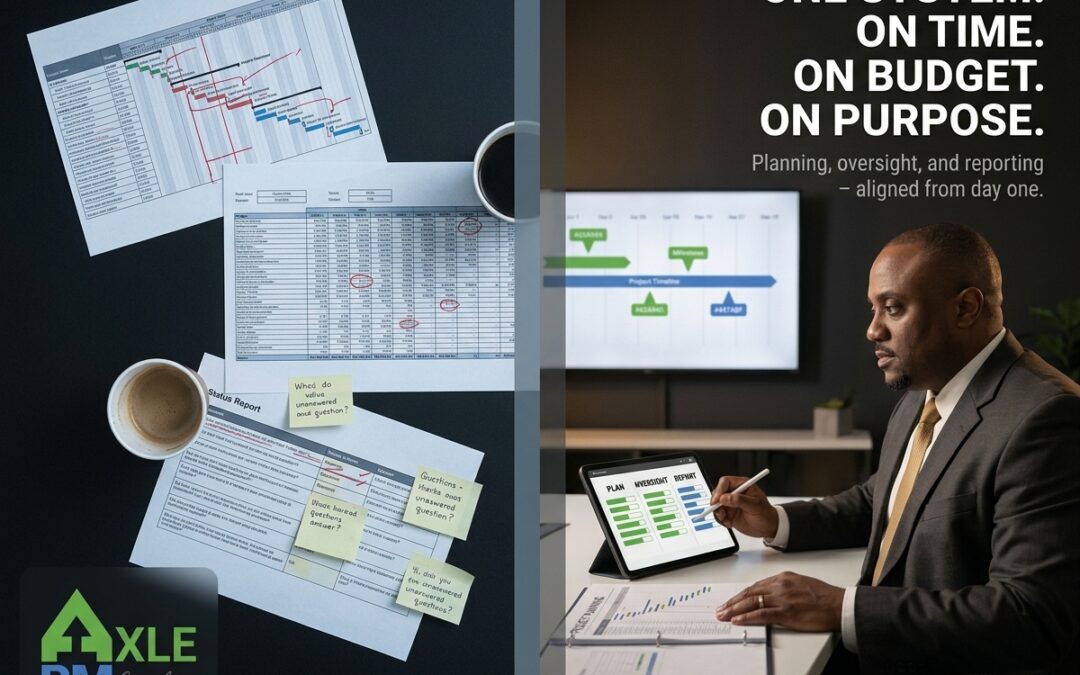
Project delivery often slips off track when planning, oversight, and reporting work in isolation. You feel the pressure of scattered updates and last-minute decisions that push deadlines and inflate costs. When these functions operate as one system, projects stop wasting time, budgets stay intact, and purpose remains clear. This post walks you through how integrated planning, oversight, and reporting restore control and keep your delivery on schedule, on budget, and aligned to your goals. For more insights on integrated project management, visit this article.
Connecting Planning and Oversight
Bringing planning and oversight together means less chaos and more control in your projects. When these facets work as one, you gain clarity and confidence.
Aligning Teams for Success
Imagine your team moving in perfect sync. This is possible when everyone understands their role and the project goals. Clear communication is key to aligning your team. Start by defining responsibilities and setting short-term goals. Regular check-ins keep everyone on the same page.
Misalignment can derail even the best plans. Avoid this by encouraging open discussions and feedback. When team members feel heard, they are more committed. This shared vision propels your project forward, reducing delays and misunderstandings.
Bridging Common Handoff Gaps
Handoffs are notorious for causing delays. Each handoff is a chance for miscommunication. You can prevent this by creating detailed transition plans. These plans should outline what each team needs and expects.
Use simple tools like checklists to ensure nothing gets lost. Regular training sessions can also help teams understand each other’s workflows better. By bridging these gaps, you transform potential weak spots into strengths.
Integrated Reporting for Clarity
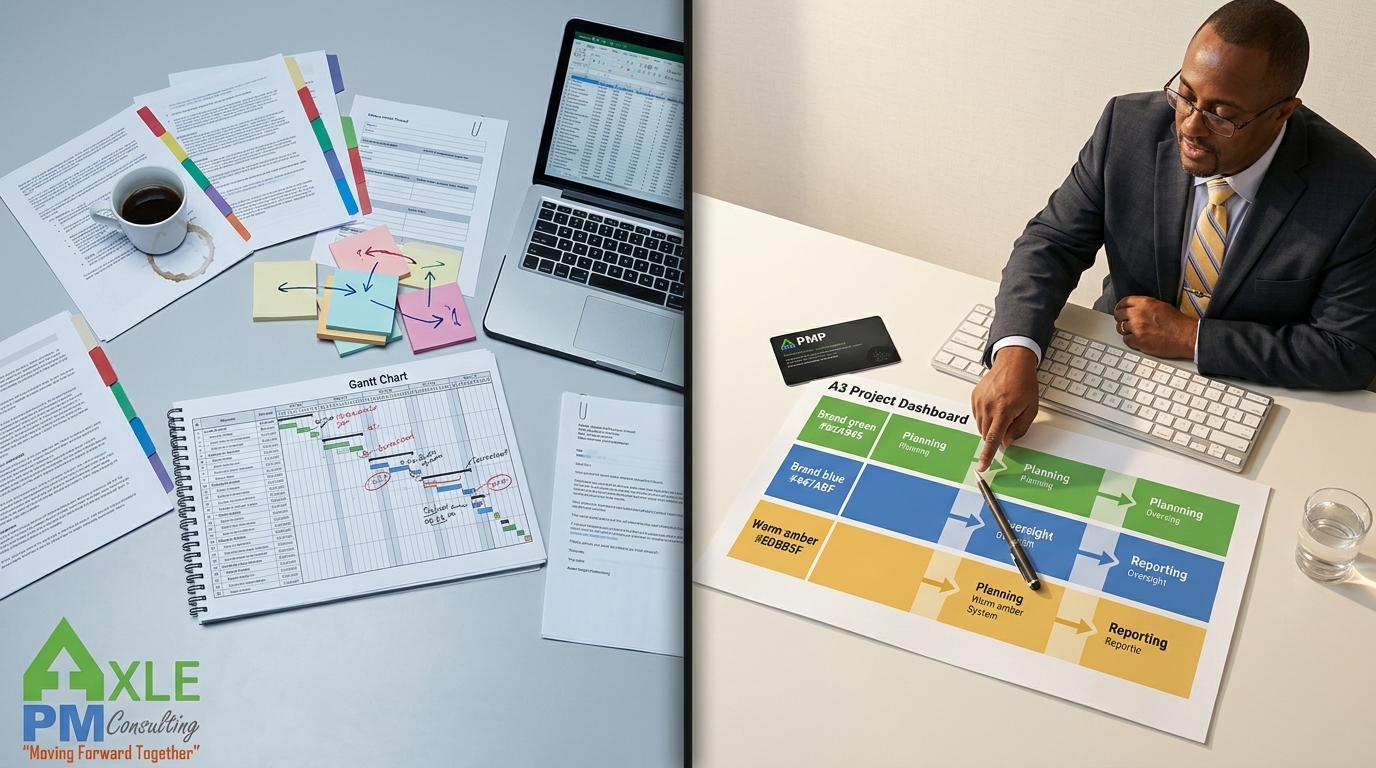
Integrated reporting provides a single source of truth for your projects. This clarity helps you make informed decisions quickly.
Decision-Ready Status Updates
Frequent status updates give you the power to steer your project effectively. These updates should be concise and based on real data. Focus on key metrics that matter most to your project.
Sharing updates with your team ensures everyone knows the current status. It also helps identify potential issues early. This proactive approach saves time and keeps your project on track. To understand more about project management systems, check out this article.
Leveraging Real-Time KPI Dashboards
KPI dashboards offer a snapshot of your project’s health. They help you monitor progress in real-time, allowing for quick adjustments. Dashboards should display metrics like budget tracking and schedule variance.
Use dashboards to spot trends and make proactive decisions. They also provide transparency, which builds trust with stakeholders. A well-maintained dashboard is an invaluable tool for keeping projects aligned with goals. For further reading on integrated project management solutions, consider visiting this site.
Proactive Project Governance
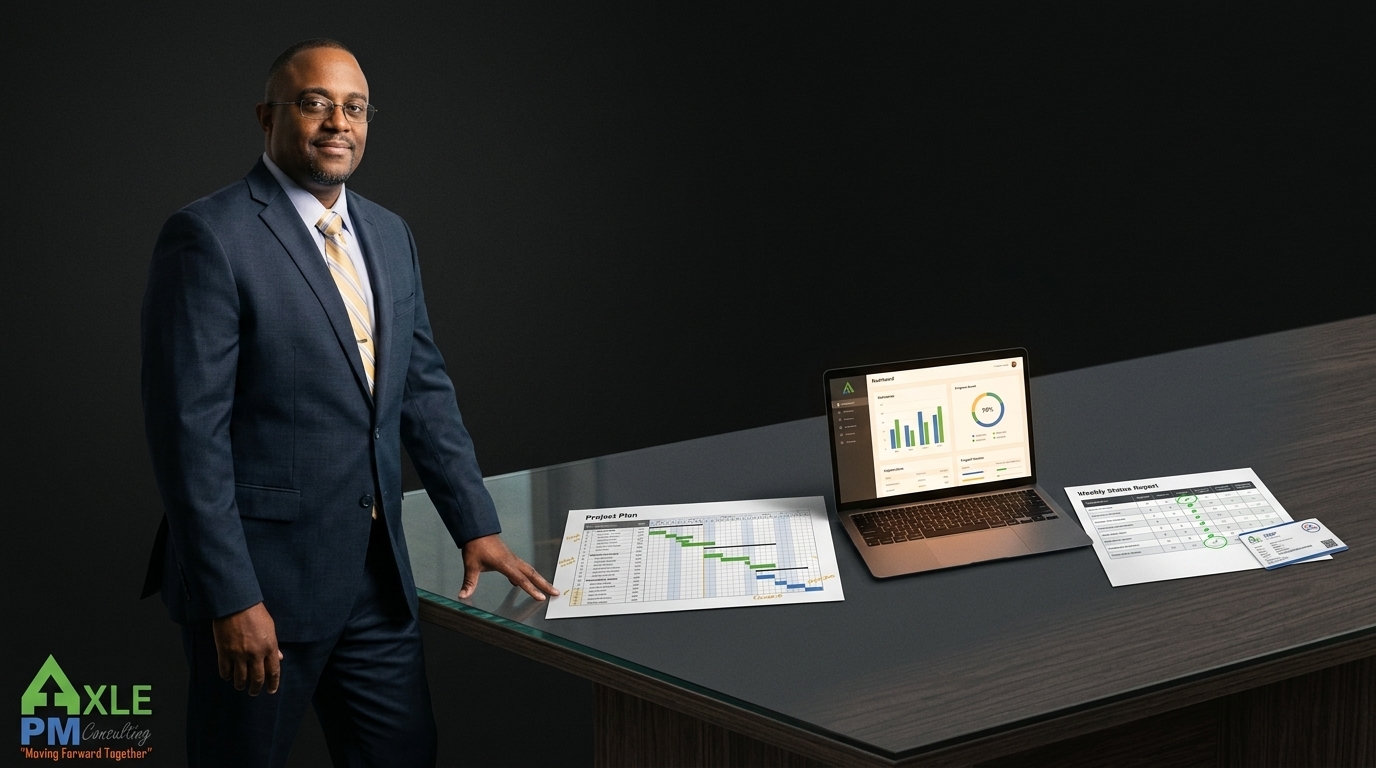
Proactive governance ensures your project stays within scope and on track. It involves anticipating challenges and addressing them before they escalate.
Implementing Risk Management Strategies
Every project faces risks. Identifying these early can save you from costly setbacks. Begin by conducting a risk assessment to pinpoint potential threats. Use a RAID log to track risks, actions, issues, and decisions.
Develop contingency plans for high-impact risks. Regularly reviewing and updating these plans keeps them relevant. This proactive stance minimizes surprises and ensures smoother project execution.
Enhancing Accountability Through Change Control
Change is inevitable in any project. Effective change control processes help you manage it without losing momentum. Establish a clear process for evaluating and approving changes. This ensures that only necessary changes are implemented.
Hold regular meetings to discuss proposed changes with your team. This keeps everyone informed and accountable. By enhancing accountability, you maintain project integrity and ensure everyone remains focused on the original goals.
Frequently Asked Questions
What is integrated planning, oversight, and reporting?
Integrated planning, oversight, and reporting involve coordinating these functions to work seamlessly as one system. This alignment helps projects stay on schedule, within budget, and aligned with their goals.
Why are KPI dashboards important?
KPI dashboards provide real-time visibility into a project’s progress. They display key metrics, helping stakeholders monitor performance and make informed decisions quickly.
How can I bridge handoff gaps in my team?
You can bridge handoff gaps by creating detailed transition plans and using tools like checklists. Regular training sessions and open communication also help teams understand each other’s workflows better.