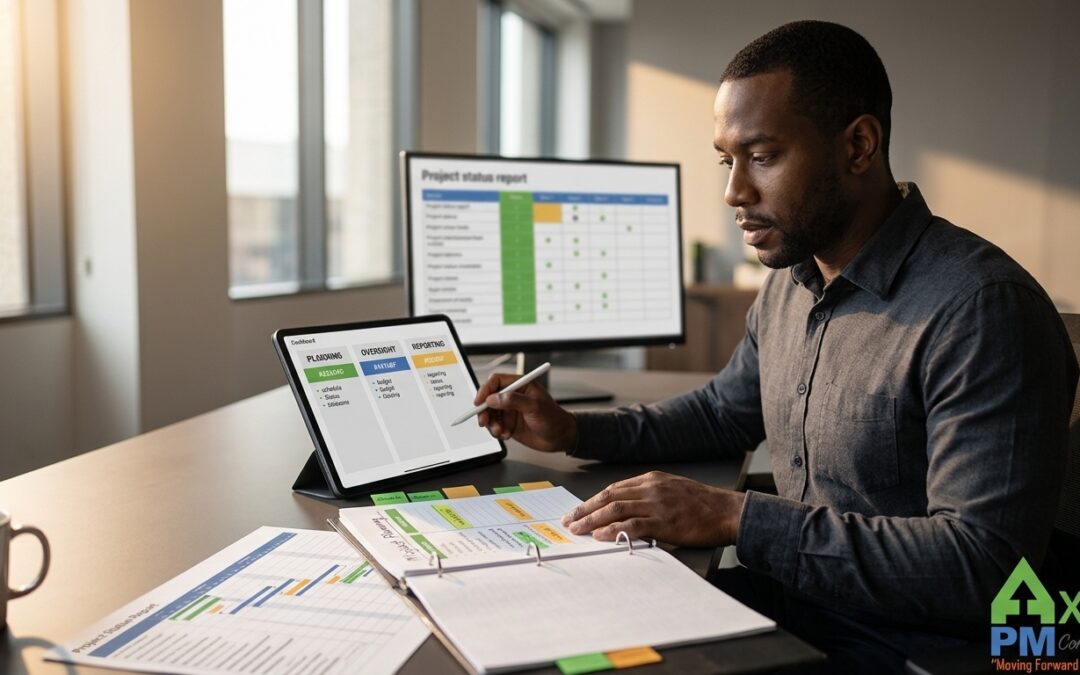
Your fall projects look solid on paper but still feel out of control. When planning, oversight, and reporting work as one system, you gain a clear line of sight from strategy to execution. This connected project operating rhythm keeps your schedule and budget on track while making progress visible and manageable. Keep reading to see how uniting these three functions protects your goals and builds steady momentum. For more insights on integrated project delivery, visit this resource.
The Power of Integrated Project Planning
Imagine a world where your projects move smoothly from idea to execution. This is the promise of integrated project planning. It’s not just about putting tasks on a calendar, it’s about creating a framework where every step is clear and every goal is achievable.
Building a Unified Project Framework
Here’s the key insight: a unified framework sets the tone for success. When planning is fragmented, confusion reigns. Instead, you need a cohesive approach that ties every piece together. Start by mapping out the entire project lifecycle. This means identifying key milestones, allocating resources, and setting realistic timelines. Think of it as building a road map where every turn is planned and every destination is known.
Aligning Goals with Execution
Aligning your objectives with execution is crucial. The best plans can falter if there’s a disconnect between what you want to achieve and how you’re going to do it. Start by ensuring everyone involved understands the goals. Regular check-ins and updates keep everyone on the same page. Use simple tools that allow for easy tracking and adjustments as needed.
Overcoming Planning Pitfalls
Even the best plans can hit snags. The trick is to anticipate these pitfalls. Common issues include unrealistic timelines and unclear roles. Avoid these by being thorough in your initial planning. Break tasks into manageable chunks and assign clear responsibilities. Remember, the longer you wait to address these issues, the harder they are to fix.
The Role of Project Oversight
With a solid plan in place, the next step is effective oversight. This keeps your project on track and ensures clarity at every stage. Oversight isn’t about micromanaging, it’s about guiding the project towards its goals.
Maintaining Control and Clarity
Control and clarity go hand in hand. When you have a clear line of sight over every aspect of your project, you can steer it in the right direction. This means setting up regular progress reviews and updates. Use these sessions to address any issues and make necessary course corrections.
Effective Risk Management Strategies
Identifying and managing risks is a critical part of oversight. Start by listing potential risks during the planning phase. Then, develop strategies to mitigate these risks. This could mean having contingency plans or setting aside a buffer in your budget for unexpected expenses.
Enhancing Team Accountability
Accountability is key to keeping your project on track. Each team member should understand their role and responsibilities. Regular updates and open communication are vital. Encouraging a culture of accountability ensures everyone is pulling in the same direction.
The Importance of Project Reporting

The final piece of the puzzle is reporting. This is how you measure success and make informed decisions. Without effective reporting, you’re flying blind.
Real-Time Performance Dashboards
Here’s where technology plays a role. Real-time dashboards give you an up-to-the-minute view of how your project is performing. These tools highlight areas that need attention and allow you to make data-driven decisions.
Ensuring Transparent Communication
Transparent communication is the backbone of effective reporting. Make sure all stakeholders have access to the same information. This eliminates confusion and ensures everyone is working towards the same goals.
Timely Decision Making for Success
With clear reporting, you can make timely decisions that keep your project moving forward. Delays often occur when decision-making is slow. By having the right information at your fingertips, you can act quickly and confidently.
Frequently Asked Questions
What is integrated project planning?
Integrated project planning is a comprehensive approach that combines planning, oversight, and reporting into one seamless system. It ensures clarity, control, and accountability at every stage of the project.
How does project oversight help in maintaining control?
Project oversight involves regular reviews and updates to ensure every aspect of the project is on track. This helps in making timely corrections and maintaining overall control.
Why is real-time reporting important?
Real-time reporting provides up-to-date information on project performance. This allows for informed decision-making and helps keep the project on schedule and within budget.
How can risk management be effectively implemented?
Effective risk management involves identifying potential risks early and developing strategies to mitigate them. This includes having contingency plans and budgeting for unexpected issues.
What role does team accountability play in project success?
Team accountability ensures that every member understands their responsibilities. Regular communication and updates keep everyone aligned and moving towards the project’s goals.