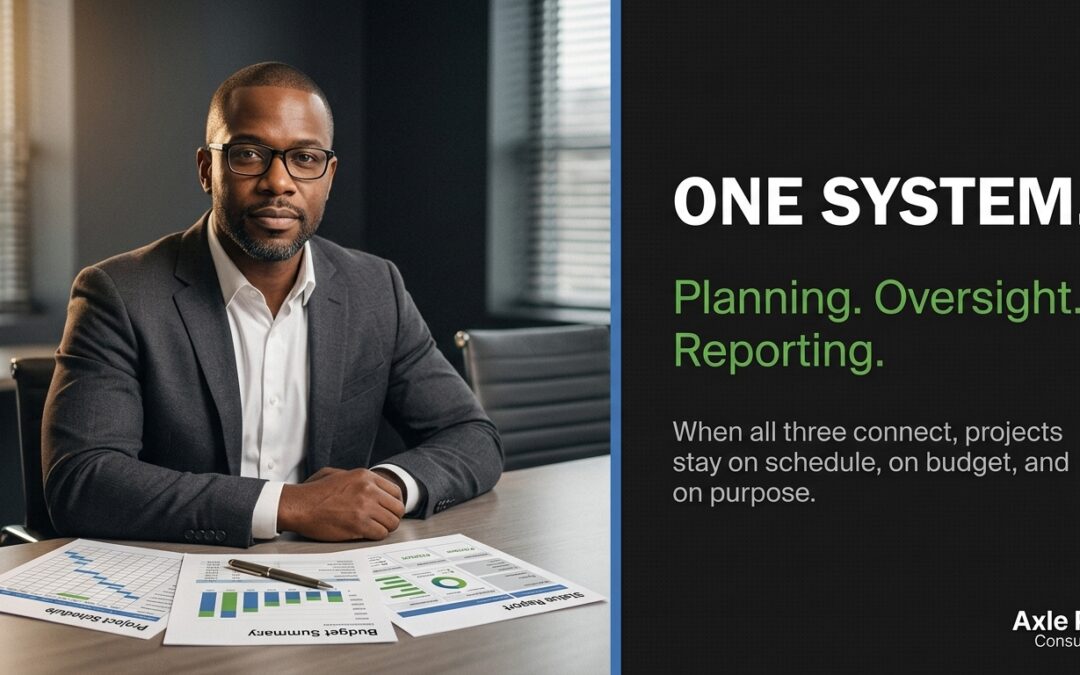
Most projects lose momentum because planning, oversight, and reporting run in separate lanes with conflicting updates. You’re juggling deadlines, budgets, and endless status reports that don’t add up. The real shift comes when these functions operate as one system, giving you clear visibility and faster decisions to keep your projects on schedule, on budget, and on purpose.
The Problem with Fragmented Project Controls
When planning, oversight, and reporting act independently, projects face inevitable delays. The key obstacle is aligning these functions to work cohesively.
Disconnected Planning and Oversight
Imagine you’re tasked with juggling multiple projects. Each has its own timeline, budget, and set of priorities. If these elements aren’t synchronized, the result is chaos. Plans become obsolete without oversight, and oversight lacks direction without clear plans. This disconnect leaves you scrambling to keep everything in check, and progress stalls. It’s like trying to run a relay race where each runner has a different route.
This lack of coordination often means that teams duplicate efforts or miss crucial deadlines. When planning and oversight don’t communicate effectively, resources are wasted, and confusion becomes the norm. To prevent this, an integrated approach is essential, where each element informs and supports the others.
The Reporting Challenge
Status reports should provide clarity, not confusion. Yet, when reports aren’t aligned with the original plan, they often tell conflicting stories. You might find yourself receiving updates that don’t match the work on the ground. This misalignment causes frustration as you try to decipher which data reflects reality.
Accurate reporting is more than numbers; it’s about understanding progress and spotting issues early. Without a clear connection between plans and reports, decisions become guesswork. Establishing a reporting system that mirrors the plan ensures consistency and reliability, making your life easier and your projects more manageable.
Consequences of Misalignment
Misalignment between planning, oversight, and reporting doesn’t just slow progress; it derails projects. When these elements don’t sync, deadlines slip, budgets spiral, and stress levels rise. Leaders find themselves firefighting rather than strategizing## The Problem with Fragmented Project Controls
In many organizations, project controls are fragmented, leading to unnecessary delays. Let’s explore why this fragmentation occurs and its impacts.
Disconnected Planning and Oversight
Disconnected planning and oversight lead to confusion. When plans are not aligned with real-time oversight, teams often work at cross-purposes. Imagine starting with a well-crafted plan only to find that execution veers off track. This misalignment happens because oversight fails to adapt to changes quickly. Without a unified approach, adjustments are reactive rather than proactive, causing setbacks. Most leaders find themselves firefighting instead of steering the ship. This disconnect undercuts progress and stalls momentum.
The Reporting Challenge
Reporting provides the data you need to make informed decisions. But when reporting is siloed, it becomes a challenge rather than a solution. Separate reporting systems lead to conflicting information. If each department uses its own metrics, the results often contradict each other. This lack of consistency not only confuses the team but also delays decision-making. You might think you’re on track when you’re actually behind. Unified reporting ensures everyone has access to the same information, reducing confusion and aligning efforts.
Consequences of Misalignment
Misalignment in project controls extends beyond day-to-day confusion. It directly impacts delivery timelines and budget control. When plans, oversight, and reporting don’t communicate, projects often miss their targets. Imagine planning a project with a set budget, only to find unexpected costs creeping in due to overlooked details. Misalignment also affects team morale. When efforts don’t translate to progress, it leads to frustration. Realigning these elements not only streamlines processes but also boosts team confidence.
Integrating Planning, Oversight, and Reporting
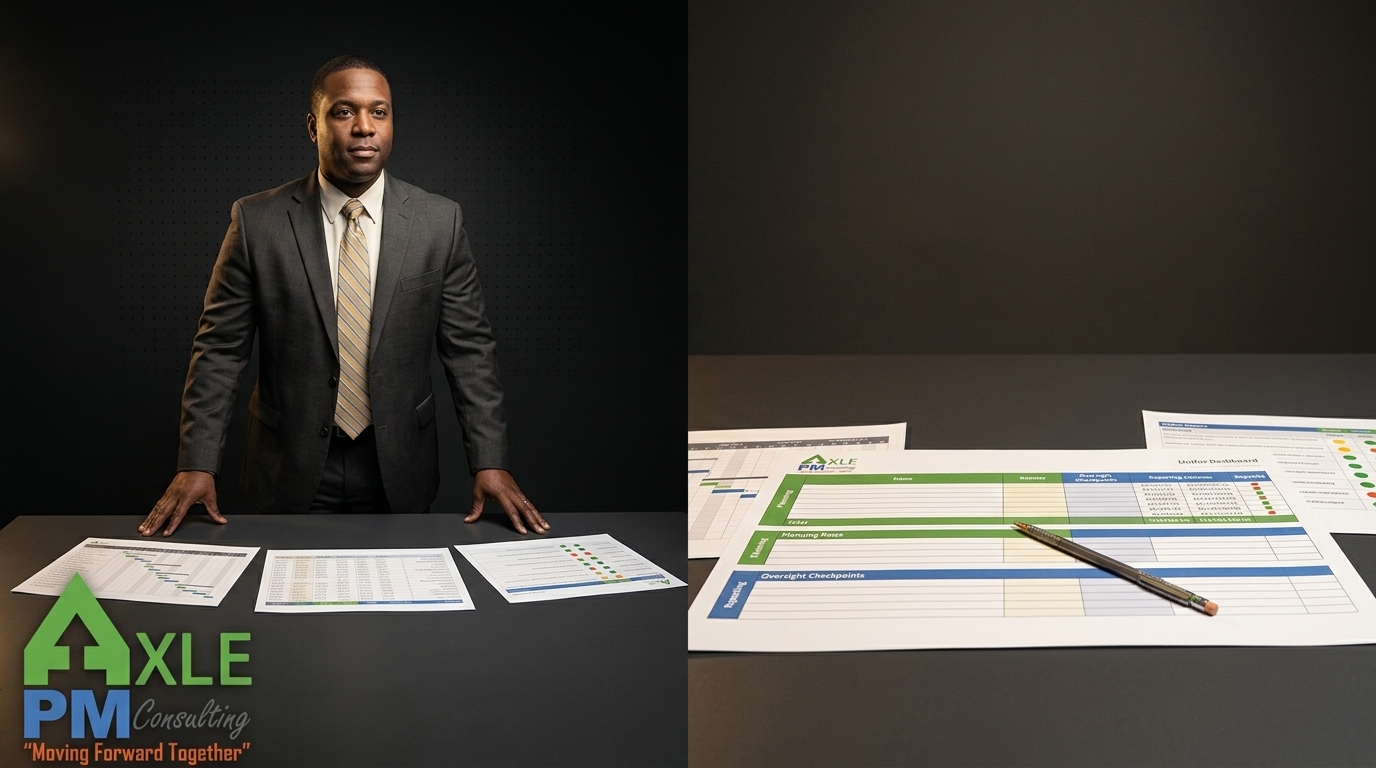
Combining planning, oversight, and reporting into a single operating system can drive projects forward effectively. This approach offers clear advantages across several areas.
Building a Unified System
A unified system brings planning, oversight, and reporting together, creating a consistent narrative for your project. Think of it as merging three streams into one strong river. This integration allows for real-time updates and quick adjustments. With everything connected, you make informed decisions faster. This not only keeps the project on track but also empowers your team. Everyone knows the plan, understands their role, and sees how their work contributes to the bigger picture.
Enhancing Visibility and Accountability
Integrated systems enhance visibility and accountability. When all functions operate together, it’s like turning on the lights in a dim room. Clear visibility means you can identify potential issues before they become problems. Teams become more accountable because they see their impact on the project’s success. With transparency, it’s easier to track progress and ensure everyone meets their responsibilities. This level of clarity removes ambiguity and aligns all efforts towards a common goal.
Streamlining Decision-Making
Streamlined decision-making is a key benefit of integrated project controls. With consistent data at your fingertips, decisions become easier and more effective. Instead of waiting for separate reports, you get a complete view instantly. This approach not only saves time but also increases confidence in decision-making. You can act swiftly without second-guessing or revisiting old information. Quick, informed decisions keep the project moving smoothly, ensuring timely delivery and budget adherence.
Leveraging Axle PM Consulting’s Expertise
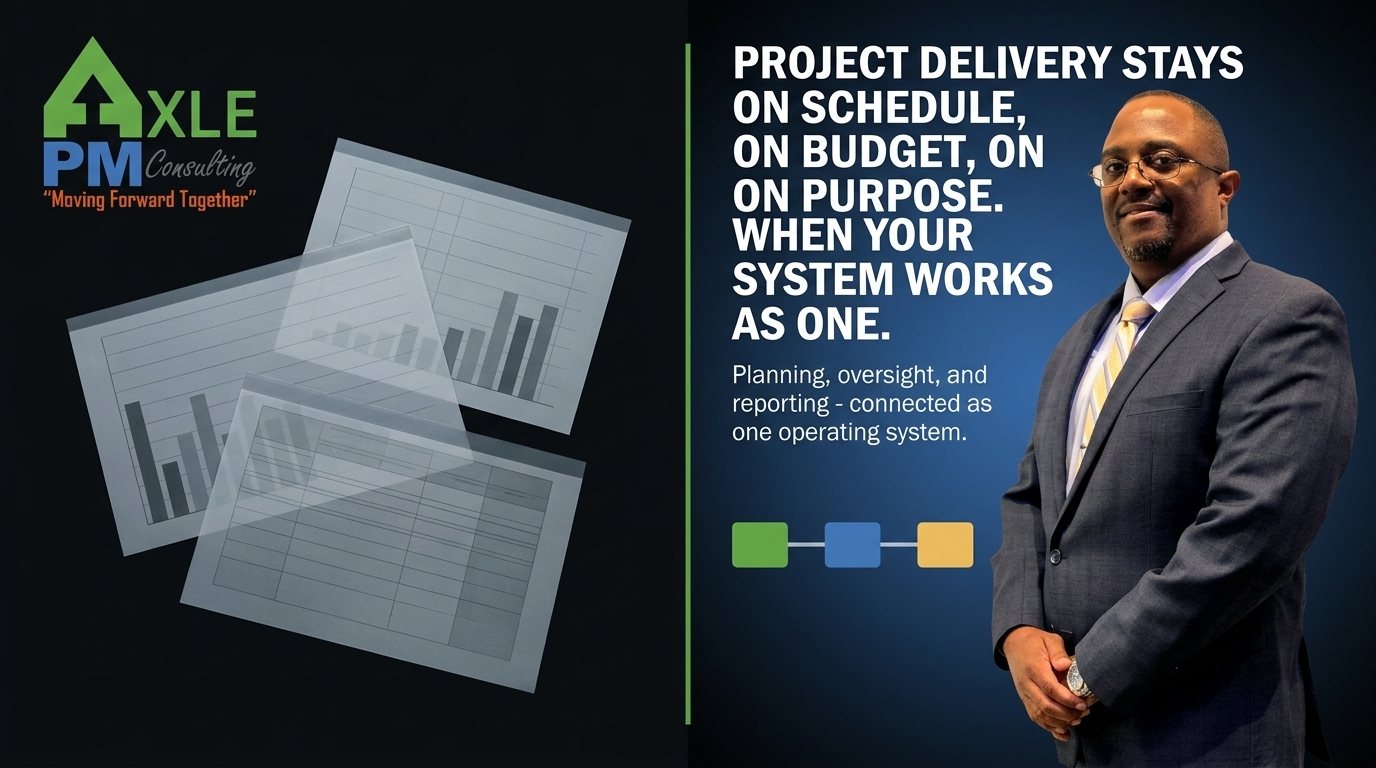
Axle PM Consulting helps organizations integrate their project controls, offering solutions tailored to specific needs. Here’s how they can assist your team.
Tailored Agile and Traditional Methods
Every project is different, which is why Axle PM Consulting tailors their approach to fit your needs. They blend agile and traditional methods to suit your project environment. Whether you need flexibility or structure, their experts adjust processes to enhance your project’s success. This tailored approach ensures that you harness the strengths of both methodologies, optimizing your project delivery. With their guidance, you can confidently navigate complex project landscapes.
Establishing Right-Fit Governance Cadences
Right-fit governance cadences are crucial for effective oversight. Axle PM Consulting helps establish a rhythm that matches your project’s pace. Regular check-ins and milestones keep everyone aligned and accountable. This approach prevents surprises and ensures that issues are addressed promptly. The right cadence brings stability to projects, making timelines and budgets more predictable. With proper governance, you maintain control and ensure sustainable progress.
Directly Connecting Status Reporting to Plans
Directly connecting status reporting to plans is a game-changer for project management. When reporting is tied to the plan, leaders can see the actual impact of their decisions. Axle PM Consulting integrates status updates with project plans to provide a clear picture of progress. This connection allows for real-time adjustments, keeping projects on track and on budget. By linking reporting to planning, you gain a complete understanding of your project’s health and trajectory.
Frequently Asked Questions
What are the benefits of integrating planning, oversight, and reporting?
Integrating these functions creates a cohesive system that improves visibility, accountability, and decision-making. This alignment helps keep projects on schedule and budget.
How does Axle PM Consulting tailor their approach to different projects?
Axle PM Consulting blends agile and traditional methods to suit each project’s unique needs, providing flexibility or structure as required for optimal outcomes.
Why is governance cadence important in project management?
Establishing a right-fit governance cadence ensures regular check-ins and milestone reviews, which keep projects aligned and prevent unexpected issues from derailing progress.
How does connecting status reporting to plans help in project management?
It offers a real-time view of project health, enabling leaders to make informed decisions promptly and adjust plans as necessary to stay on track.
Can integrated project controls impact team morale?
Yes, by aligning efforts and providing clear direction, integrated controls boost team morale, as members understand their roles and see their contributions to the project’s success.