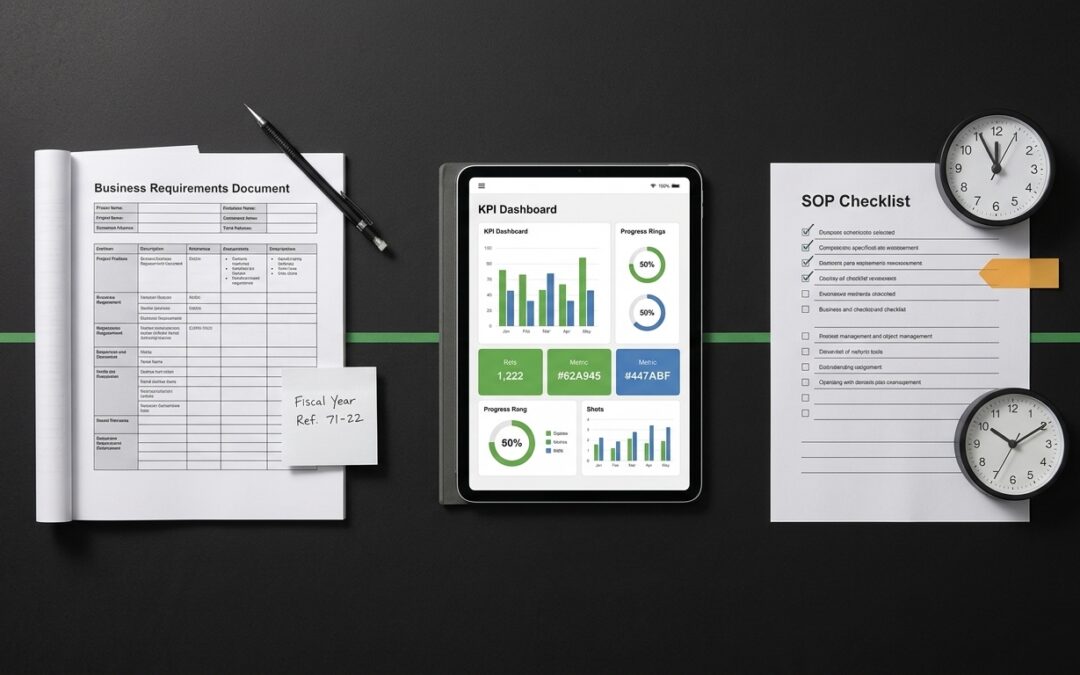
Projects stumble when planning, oversight, and reporting run in separate lanes. You end up managing busywork instead of outcomes, stretching fiscal year planning into a tangle of updates that don’t connect. When these functions unite as one system, your business requirements document, KPI dashboard, and execution cadence all tell the same story—making decisions faster, protecting budget, and keeping delivery aligned with your true purpose. Here’s how integrated project governance turns complex plans into steady progress. For more insights on integrated project management, you can visit this article.
The Challenges of Fiscal Year Planning
Achieving smooth fiscal year planning requires more than just intent; it demands a thorough alignment of planning, oversight, and reporting. Let’s explore the pitfalls businesses face when these elements operate in isolation.
Managing Separate Functions
In many organizations, planning, oversight, and reporting function as silos. This disjointed approach often leads to inefficiencies, causing teams to spend more time updating spreadsheets than executing meaningful work. When each function operates independently, it’s like trying to solve a puzzle without seeing the big picture. Imagine piecing together a project plan without knowing how it aligns with your reporting metrics. This lack of cohesion often results in misaligned goals and unexpected roadblocks that derail progress.
Furthermore, the absence of a unified framework can lead to communication breakdowns. Teams may find themselves duplicating efforts or missing critical updates altogether. This can be frustrating and demotivating, as it feels like running in circles without reaching the finish line. To overcome these challenges, organizations need to foster a culture of collaboration where every function speaks the same language.
Risks of Disconnected Systems
Disconnected systems not only hinder collaboration but also introduce risks that can compromise project success. Without a centralized approach, projects are vulnerable to scope creep, budget overruns, and missed deadlines. When systems don’t communicate, it’s easy for critical information to fall through the cracks.
Consider the impact of having separate systems for tracking progress and financials. A delay in communication could mean overspending before anyone notices. This lack of integration can also lead to decision-making based on outdated or incomplete data, jeopardizing project accuracy and effectiveness. The longer this continues, the more resources are wasted, and the harder it## The Challenges of Fiscal Year Planning
When planning, oversight, and reporting work separately, projects often lose momentum. This section explores the hurdles faced when these key functions are not synchronized.
Managing Separate Functions
Handling planning, oversight, and reporting separately can create chaos. Each area might have its own timeline and priorities. This separation can lead to miscommunication and delays. You may find that planning documents, like the business requirements document (BRD), don’t match the actual project progress. This mismatch can cause confusion and slow decision-making, leaving your team chasing tasks instead of achieving goals.
In a disconnected system, updates often feel like busywork. You might spend more time updating spreadsheets rather than focusing on project outcomes. This can stretch fiscal year planning unnecessarily and lead to a tangled mess of updates. Teams end up managing actions without a clear picture of the desired results. This not only wastes time but also resources, which could be better used for strategic initiatives.
Risks of Disconnected Systems
Disconnected systems can cause significant risks for projects. They create gaps where critical information can fall through the cracks. Without a unified view, you might miss important deadlines, leading to budget overruns. In worst cases, projects can derail completely due to unforeseen obstacles.
When teams don’t share a common system, there’s a lack of accountability. Everyone is working in their silos, and this isolation can breed errors. Imagine trying to steer a ship where each crew member follows their own compass. The result is inefficiency, and the project can drift off course. For more insight into project management challenges, read The Benefits of an Integrated Project Management Solution.
Integrating Planning, Oversight, and Reporting
By integrating these functions, you pave the way for more effective project management. A unified system can transform your fiscal year planning into a clear path to success.
Benefits of a Unified System
A unified system creates a single source of truth. With everything in one place, decision-making becomes faster and more accurate. You can quickly see how your plans, oversight, and reporting align. This unity helps protect the budget by identifying potential risks early. It ensures that delivery stays on track and aligned with the project’s true purpose.
Having a single source of truth also means that every update adds value. Instead of duplicating efforts, each team action contributes to the bigger picture. This clarity boosts confidence among stakeholders and keeps everyone focused on outcomes. For more on the importance of integration, see Integrated Planning.
Tools for Effective Integration
To effectively integrate, consider tools that combine project planning, oversight, and reporting features. Platforms like KPI dashboards and project management information systems can help. These tools provide real-time insights and ensure that everyone is on the same page. They help track progress against the initial business requirements document (BRD).
Technology like this can also automate routine updates, freeing your team to focus on more strategic tasks. Such tools not only streamline processes but also improve collaboration. They make it easier to spot potential issues before they become serious problems. If you’re interested in learning more, check out Project Management Information System.
Achieving On Time, On Budget Delivery
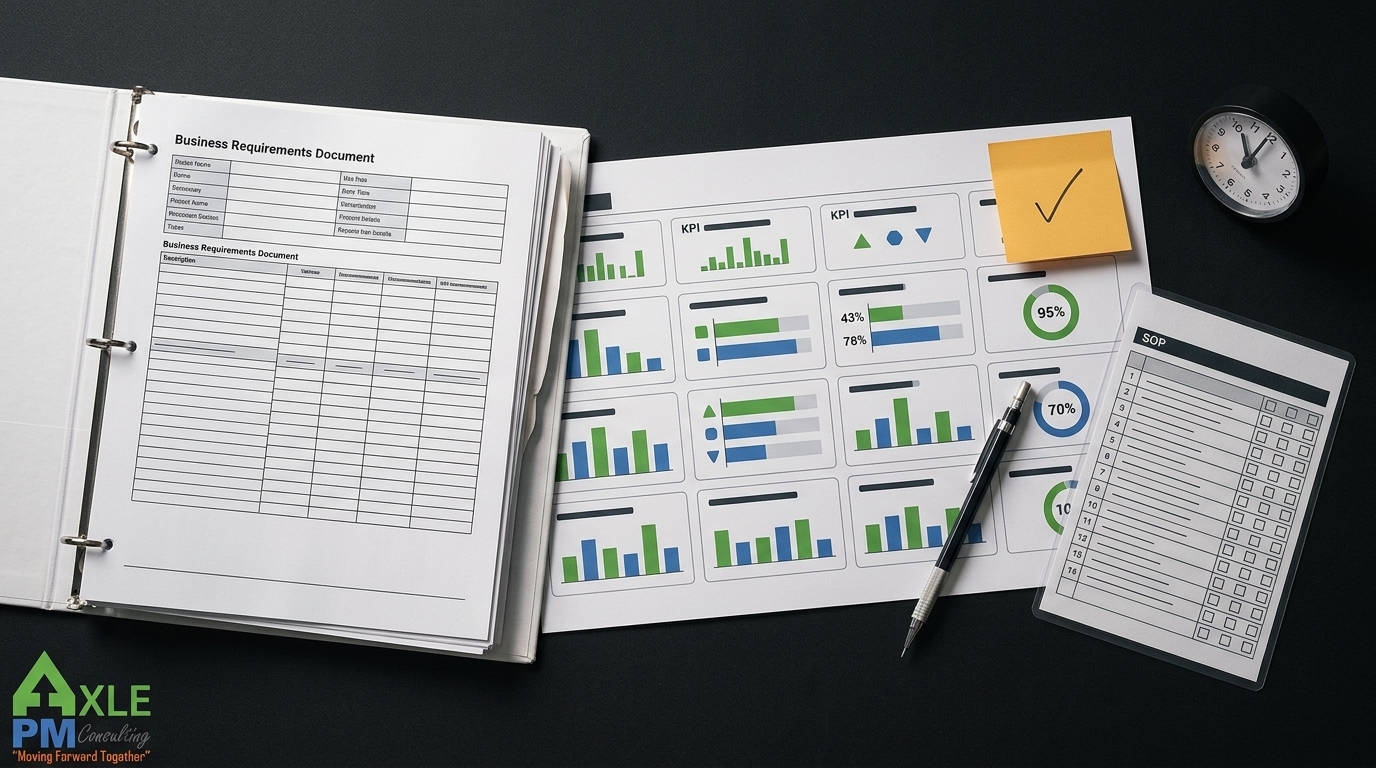
Successful project delivery requires careful integration of planning, oversight, and reporting. Here’s how consulting can help you hit your targets.
Leveraging Project Management Consulting
Project management consulting offers expertise and guidance to keep your projects on track. With their help, you can effectively manage risks and issues, ensuring that your delivery is both on time and on budget. Consultants bring in fresh perspectives and proven methods that can transform your approach.
They can provide customized solutions such as virtual PMO services, which offer flexible and cost-effective oversight. By leveraging their expertise, you gain access to best practices and adaptable strategies tailored to your specific needs. These services make sure that your project aligns with its purpose and stakeholder expectations. Learn more about integrated project management in this blog post.
Case Studies in Outcome-Based Project Management
Outcome-based project management focuses on achieving specific results rather than just completing tasks. This approach ensures that every aspect of the project contributes to the final goal. Case studies have shown how this method can lead to significant improvements in efficiency and accountability.
For instance, organizations have seen a 20% reduction in project completion times by adopting an integrated approach. By aligning their planning, oversight, and reporting, these businesses were able to stay on schedule and budget while meeting all project objectives. This not only enhances project success but also boosts team morale and stakeholder confidence.
Frequently Asked Questions
What are the benefits of integrating planning, oversight, and reporting?
Integrating these functions creates a unified system that improves decision-making, protects the budget, and keeps delivery aligned with project goals.
How can project management consulting help?
Consultants offer expertise and strategies that can keep your projects on track. They provide solutions like virtual PMO services to ensure flexible and efficient project oversight.
What is outcome-based project management?
This approach focuses on achieving specific results. It ensures that all project activities contribute to the final goal, leading to more efficient and successful project execution.
Why is a unified system important for project management?
It creates a single source of truth, ensuring that all team members are on the same page, which reduces errors and improves accountability.
What tools can help with integration?
Tools like KPI dashboards and project management information systems provide real-time insights and streamline processes, improving collaboration and efficiency.