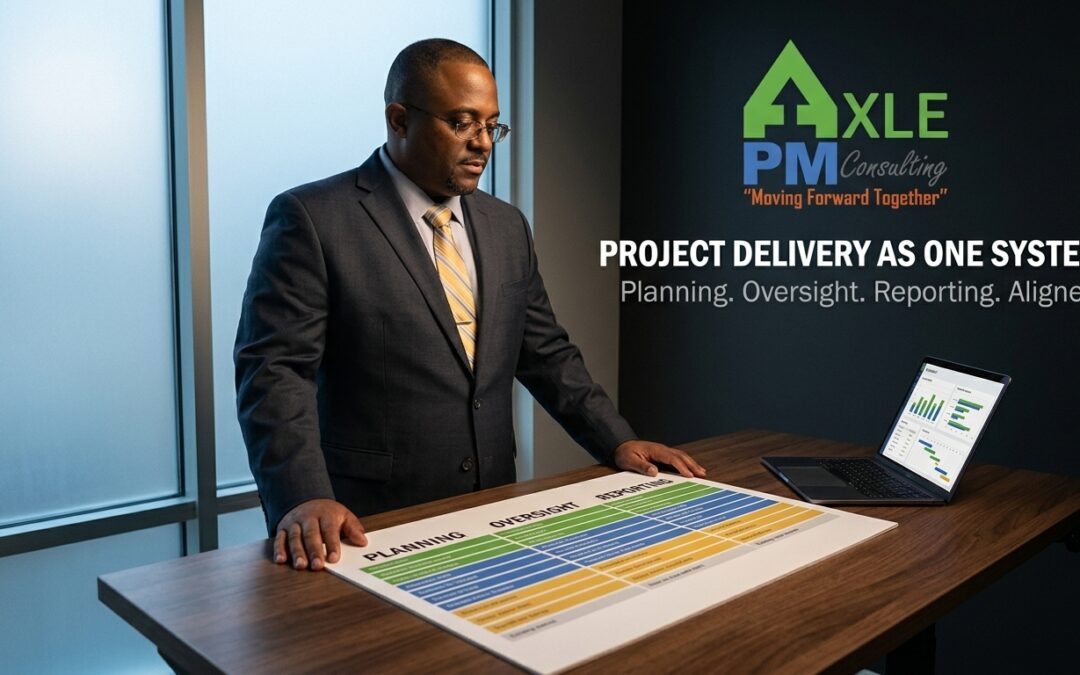
Most projects restart after summer with good intentions but soon struggle to keep schedule, budget, and priorities aligned. The biggest risk? Treating planning, oversight, and reporting as separate tasks that don’t talk to each other. At Axle PM Consulting, we bring these critical functions together into one integrated project operating system so you regain control, spot issues faster, and push confidently into Q4. Here’s how combining these elements creates a clear path to real project control.
Integrated Project Control
Bringing planning, oversight, and reporting into a unified system can transform how projects operate. By aligning these key functions, project leaders can maintain control, ensuring schedules and budgets are met while achieving the intended outcomes.
Unified Planning for Success
The key to project success starts with a solid plan. Imagine having a roadmap that guides your team with clarity. By creating detailed timelines and setting clear milestones, you ensure that everyone knows what’s next. When you start with clear goals and structured plans, it’s easier to keep things on track. This approach not only sets expectations but also builds confidence among team members. Plans should be living documents, adjusting as projects evolve, ensuring that your team can pivot without losing sight of the end goal.
Active Oversight Techniques
Having a plan is just the start; active oversight keeps the plan moving. Regular check-ins and status updates are crucial. They help spot potential roadblocks early, allowing for quick adjustments. A hands-on approach to oversight ensures that small issues don’t become major setbacks. By engaging with your team frequently, you create a culture of accountability and transparency. This engagement fosters a collaborative environment where everyone feels responsible for project success. Consistent oversight helps maintain momentum and keeps the project aligned with its objectives.
Effective Reporting Strategies
Reporting is your feedback loop. It provides insights into progress and highlights areas needing attention. Clear and concise reporting tools, like dashboards, are essential. They offer a snapshot of where the project stands at any given moment. With these insights, leaders can make informed decisions quickly. Effective reporting isn’t just about data collection; it’s about turning data into actionable insights. By focusing on meaningful metrics, you ensure that reports are not just informative but also drive action.
Project Leadership Essentials
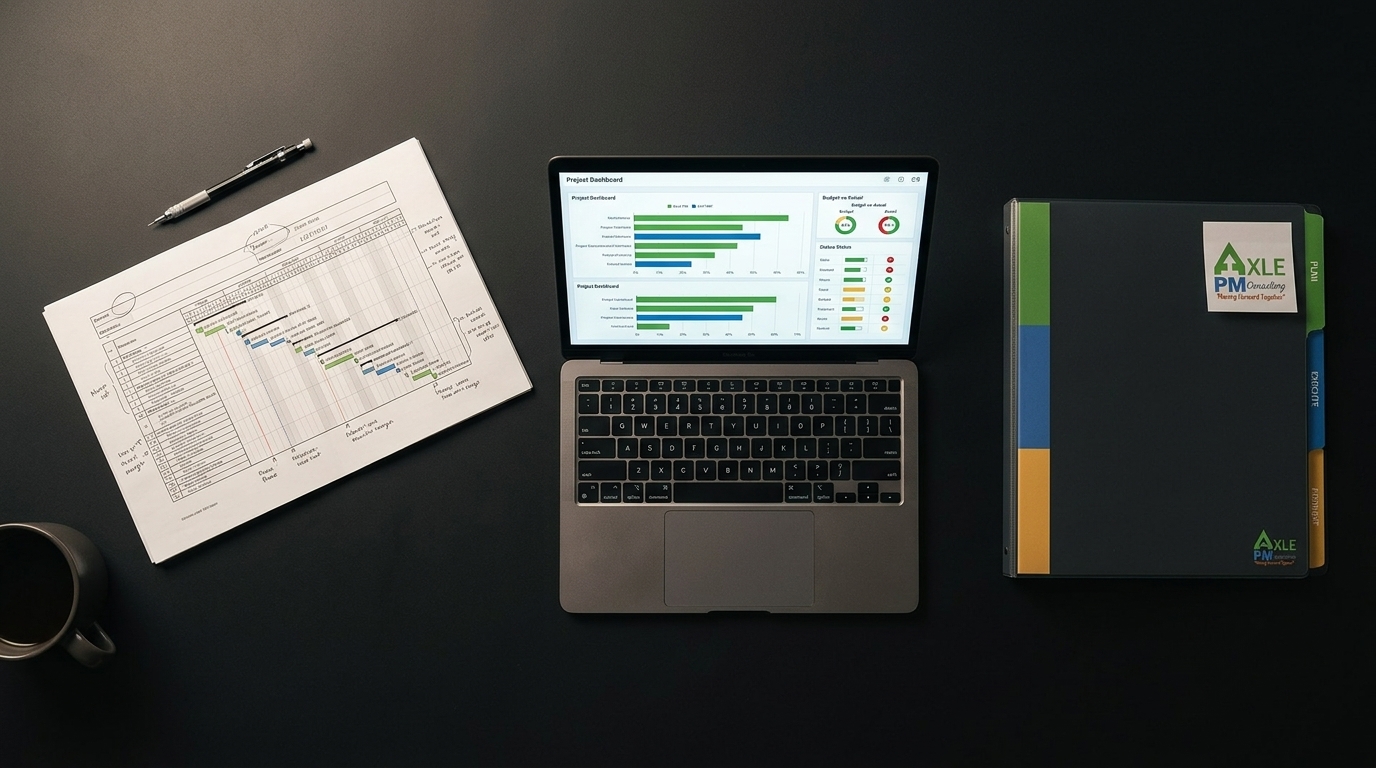
Strong leadership is the backbone of project success. Establishing governance and managing risks are essential steps in maintaining control and ensuring that projects meet their objectives.
Establishing Governance and Cadence
Setting up governance frameworks provides structure. This involves defining roles, responsibilities, and decision-making processes. Regular meetings establish a rhythm that keeps everyone aligned. Governance ensures that decisions are made efficiently, with clear accountability. It provides a framework within which teams operate, fostering discipline and consistency. With a steady cadence, teams remain focused and productive, reducing the chances of misalignment.
Managing Risks and Issues
Every project faces risks. Identifying these early is crucial. By developing risk management strategies, you can mitigate potential issues before they escalate. Regular risk assessments and proactive problem-solving keep the project on track. Managing risks requires vigilance and a willingness to adapt. It’s about being prepared for the unexpected and having strategies in place to address potential challenges. By doing so, you minimize disruptions and maintain project momentum.
Real-Time Reporting and Dashboards
Staying informed is key. Real-time dashboards offer visibility into project progress, allowing for timely interventions. These tools provide a comprehensive view, helping leaders make data-driven decisions. With real-time insights, you can quickly spot trends and make necessary adjustments. Dashboards offer transparency and keep everyone informed, fostering a culture of openness and collaboration. They ensure that all stakeholders have access to the same information, promoting consistency and trust.
Q4 Project Recovery Strategies
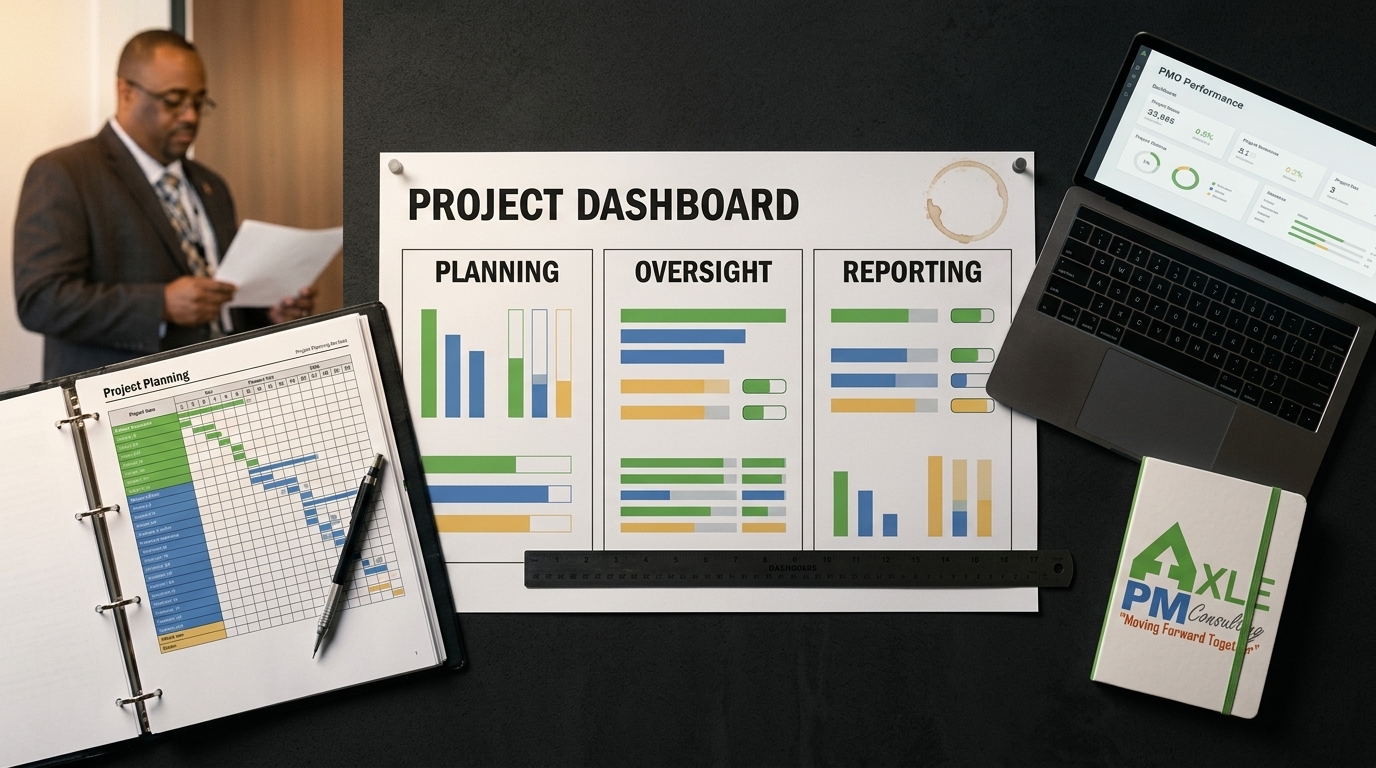
As Q4 approaches, it’s time to focus on recovering and regaining control over projects that may have drifted during the summer.
Rapid Control Sprint Overview
A rapid control sprint can bring projects back on track. This involves a concentrated effort to address key issues. By gathering your team for an intensive problem-solving session, you can quickly identify and implement solutions. This approach is about bringing focus and urgency to critical areas, ensuring that projects regain momentum. It’s a targeted effort to clear bottlenecks and create a clear path forward.
Restoring Schedule and Budget Control
Restoring control over schedules and budgets is essential. By revisiting your original plans and making necessary adjustments, you can align resources and efforts. Regular budget reviews and resource assessments help keep finances in check. It’s important to adjust timelines and budgets based on current realities, ensuring that they reflect the project’s actual needs. By doing so, you ensure that the project stays feasible and achievable.
Consultation and Implementation Support
For those needing extra support, consulting services can provide the expertise required. Experts like Axle PM Consulting offer guidance and tools to ensure project success. They bring experience and insights that can help overcome challenges and drive projects forward. By engaging with consultants, you gain access to proven strategies and best practices. This support helps reinforce your efforts, ensuring that your project achieves its intended outcomes.
Frequently Asked Questions
What is integrated project control?
Integrated project control combines planning, oversight, and reporting into a unified system. This approach ensures that all project aspects work together seamlessly, improving efficiency and effectiveness.
How can I improve project oversight?
Improving project oversight involves regular check-ins, clear communication, and active engagement with your team. It ensures that any issues are identified and resolved quickly, keeping projects on track.
Why is real-time reporting important?
Real-time reporting provides up-to-date insights into project progress. It allows leaders to make informed decisions swiftly, addressing any challenges before they become significant issues.
How do I manage project risks effectively?
Effective risk management involves identifying potential risks early and developing strategies to mitigate them. Regular risk assessments and proactive problem-solving are key components of successful risk management.
What are the benefits of consulting services for project management?
Consulting services provide expert guidance and support, helping to address challenges and ensure project success. They offer proven strategies and insights that can enhance project delivery and outcomes.