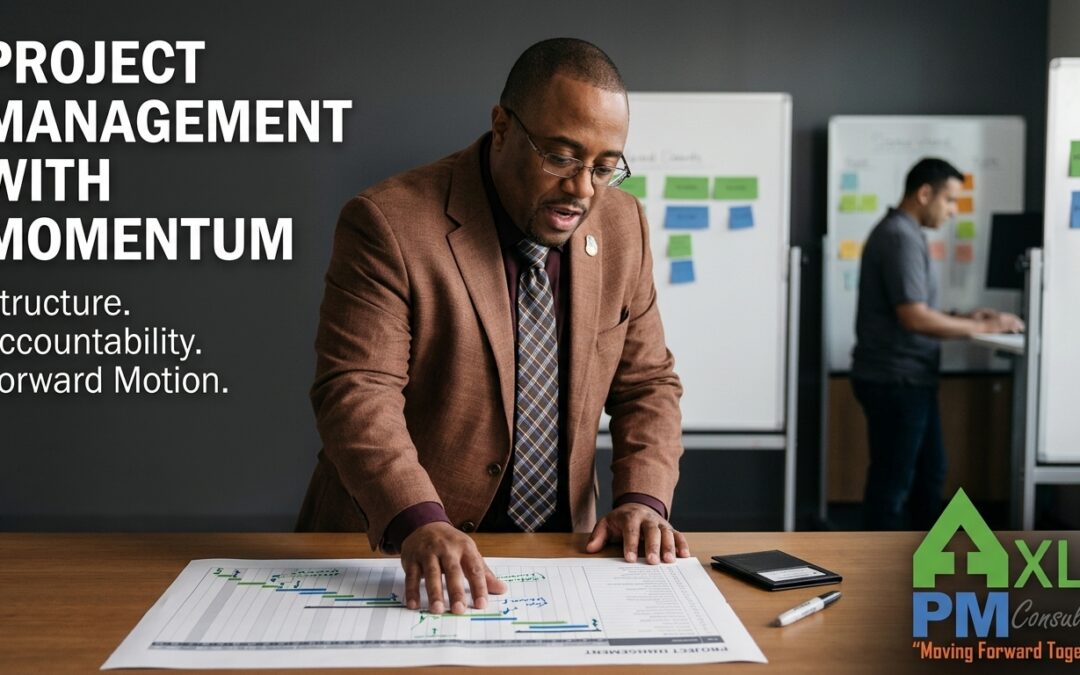
Momentum in complex projects isn’t about having more ideas—it’s about knowing who owns the next step. Without clear accountability and flexible oversight, even the best plans stall. Project management with momentum means pairing certified leadership with the right structure to keep your work moving from planning to completion. Let’s explore how you can bring order to competing priorities and gain visible progress with a partner who knows the path forward. For more insights, see this article.
Building Project Momentum
Structured Oversight for Success
Starting a project is exciting, but sustaining momentum requires structured oversight. With the right framework in place, your team can focus on their strengths without losing direction. By clearly defining roles and responsibilities, you can reduce confusion and streamline workflow.
Incorporating a structured oversight strategy means establishing clear protocols from the beginning. This ensures everyone knows their responsibilities, leading to smoother operations and fewer setbacks. Such planning allows your team to concentrate on delivering quality results rather than getting bogged down by uncertainties.
Moreover, structured oversight involves regular check-ins and progress evaluations. This helps in spotting potential issues early and addressing them before they escalate. It also fosters a culture of accountability, where team members are motivated to stay on track because they understand the project’s goals and their role in achieving them.
Accountability in Project Management
Accountability is the backbone of successful project management. Without it, even the most well-planned projects can falter. Ensuring each team member knows their specific tasks and deadlines fosters a sense of responsibility and ownership.
When everyone is accountable, it creates a ripple effect throughout the team. Individuals are more likely to meet their deadlines, leading to a smoother overall project flow. Accountability also encourages transparency. When team members are open about their progress, it becomes easier to identify where additional support might be needed.
Regular status updates play a crucial role in maintaining accountability. By having frequent, informal check-ins, the team can remain aligned on objectives and adjust strategies as necessary. This approach not only prevents delays but also builds trust within the team.
Flexible Oversight Solutions
Projects often require flexibility to adapt to new challenges. Flexible oversight solutions allow teams to pivot effectively and keep moving forward. By implementing adaptable processes, you can ensure that changes in scope or unexpected obstacles don’t derail progress.
Tailoring oversight to the needs of the project can enhance team morale and efficiency. When team members feel supported rather than micromanaged, they are more likely to contribute innovative ideas and solutions. This adaptability also extends to how progress is tracked, allowing for adjustments in real-time.
Incorporating tools that support flexible oversight can make a significant difference. These tools provide visibility into project status and enable quick decision-making. By being proactive, rather than reactive, you can keep the project on course and deliver results that meet or exceed expectations.
Certified Project Leadership

Role of Virtual PMO Services
Virtual PMO services offer a cost-effective way to maintain structured oversight without the overhead of a full-time project management office. These services provide expert guidance remotely, ensuring projects remain on track and within budget.
Utilizing virtual PMO services means gaining access to a team of certified professionals who can tailor their approach to your specific needs. This flexibility allows for scalable support, ensuring that projects of any size receive the attention they require. Virtual PMO services also bring best practices and expert insights that can streamline processes and improve outcomes.
By opting for virtual PMO services, organizations can benefit from centralized tracking and documentation. This ensures consistency across projects and provides valuable insights into performance metrics, aiding in strategic decision-making. With expert guidance at hand, your team can focus on execution while the PMO manages the oversight.
Agile Project Leadership Techniques
Agile project leadership emphasizes flexibility and collaboration, making it ideal for dynamic environments. By breaking projects into smaller, manageable segments, teams can quickly adapt to changes and deliver continuous improvements.
Implementing agile techniques involves frequent iterations and feedback loops. This approach keeps the team engaged and allows for immediate adjustments based on stakeholder input. Agile leadership also promotes cross-functional collaboration, ensuring that all team members contribute their expertise to achieve the best possible outcomes.
One of the key benefits of agile leadership is its focus on delivering value to the customer. By prioritizing tasks and maintaining open communication with stakeholders, teams can ensure that the project aligns with business goals. Agile techniques foster an environment of continuous improvement, where teams can learn from each iteration and apply those lessons to future projects.
Effective Project Governance and Oversight
Effective governance and oversight are crucial for project success. They provide the framework for decision-making and ensure that projects align with strategic goals. By establishing clear governance structures, organizations can maintain control over project direction and outcomes.
Good governance involves defining roles and responsibilities, setting clear objectives, and establishing performance metrics. This clarity helps in managing resources effectively and keeping the project on track. Oversight ensures that any deviations from the plan are identified and addressed promptly.
Implementing strong governance practices also supports risk management. By anticipating potential risks and preparing mitigation strategies, teams can minimize disruptions and maintain momentum. Ultimately, effective oversight leads to projects that are delivered on time, within scope, and with the desired quality, meeting stakeholder expectations.
From Planning to Completion
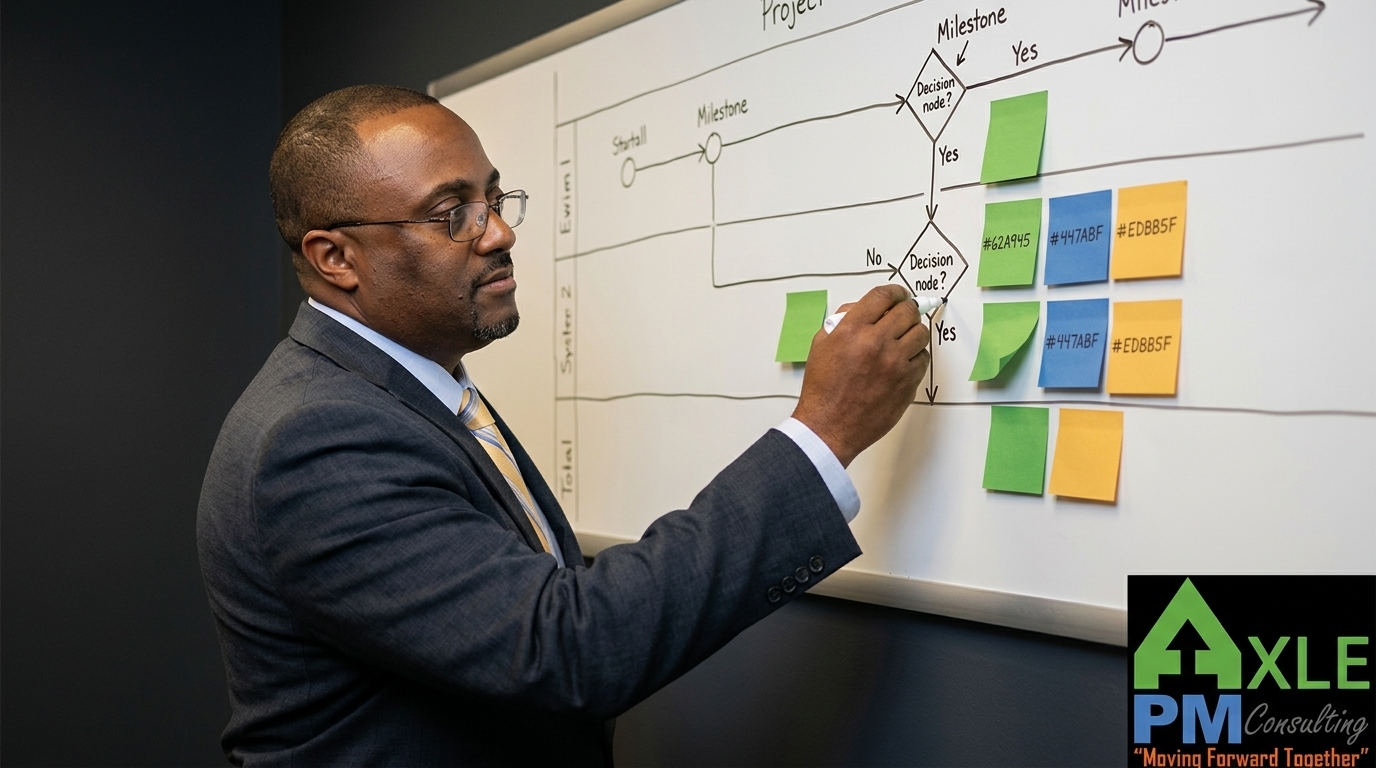
Ensuring Project Accountability
Ensuring accountability throughout a project involves setting clear expectations and monitoring progress diligently. When everyone is held accountable, teams are more likely to achieve their goals and deliver successful outcomes.
Accountability starts with clearly defined roles and objectives. By establishing who is responsible for what, teams can work more efficiently, avoiding overlaps and gaps in responsibility. This clarity helps in maintaining focus and ensuring that everyone is working towards a common goal.
Regular progress reviews are essential for maintaining accountability. By tracking milestones and assessing performance, teams can identify areas for improvement and make necessary adjustments. This ongoing evaluation process motivates team members to stay committed and aligned with the project’s objectives.
Clear Ownership with RACI
The RACI model (Responsible, Accountable, Consulted, Informed) provides a clear framework for assigning roles and responsibilities. By outlining who is responsible for each task, organizations can prevent confusion and improve collaboration.
Implementing RACI involves defining the roles of each team member in relation to specific tasks. This clarity ensures that everyone knows their duties and how they contribute to the overall project. By assigning accountability, organizations can encourage team members to take ownership of their work and deliver results.
The RACI framework also promotes effective communication. By identifying who needs to be consulted or informed, teams can ensure that all relevant stakeholders are kept in the loop. This transparency helps in building trust and fostering a collaborative environment where everyone feels valued.
Tools for Project Execution
Utilizing the right tools can significantly enhance project execution. By providing visibility and facilitating communication, these tools empower teams to work more effectively and deliver superior results.
Project management tools offer a centralized platform for tracking progress, managing resources, and identifying potential risks. These tools enable teams to collaborate seamlessly and make data-driven decisions, keeping the project on track and within budget.
Incorporating dashboards and performance reports can also improve project execution. By providing real-time insights into project status, these tools help teams identify issues early and make informed decisions. This proactive approach ensures that projects are completed successfully, meeting or exceeding stakeholder expectations.
Frequently Asked Questions
-
What is the role of structured oversight in project management?
Structured oversight provides a clear framework for managing roles, responsibilities, and workflows, ensuring projects stay on track and meet objectives. -
How do virtual PMO services support project success?
Virtual PMO services offer expert guidance and centralized tracking, helping organizations maintain oversight and align projects with strategic goals. -
Why is the RACI model important for project management?
The RACI model clarifies roles and responsibilities, preventing confusion and improving collaboration by outlining who is responsible, accountable, consulted, and informed. -
What are the benefits of using agile project leadership techniques?
Agile techniques promote flexibility, collaboration, and continuous improvement, enabling teams to adapt quickly and deliver value to the customer. -
How do project management tools enhance execution?
Project management tools provide visibility, communication, and data-driven insights, empowering teams to work more effectively and achieve superior outcomes.