
Many organizations struggle to keep projects moving once details get complicated and priorities compete for attention. You’re juggling too many tasks, unsure if your current approach can provide the right balance of structure and flexibility. Project management with momentum means choosing the project operating model that fits your team’s capacity and mission from the start—so accountability stays clear and support scales as needed, keeping your work on track from planning to completion. For more insights on how structure impacts project management, visit Axle PM Consulting.
The Right Project Operating Model
Choosing the right project operating model is essential for maintaining momentum. By establishing ownership and setting milestones, you can ensure that your project remains on track. Here’s how to do it.
Establishing Clear Ownership
Establishing clear ownership from the beginning sets the stage for success. When everyone understands their role, projects flow more smoothly. You might think assigning tasks is enough, but true ownership means accountability. A project thrives when team members know who to turn to for decisions. This clarity prevents delays and ensures that everyone is aligned with the project goals.
Ownership also fosters a sense of responsibility. When team members feel accountable, they are more invested in the outcome. This investment leads to proactive problem-solving and a collaborative atmosphere. Clear ownership is like a guiding star for your project, keeping everyone focused and motivated.
Setting Visible Milestones
Setting visible milestones keeps your project moving forward with purpose. Milestones act as checkpoints, allowing you to measure progress. Without them, projects can drift off course. Each milestone reached is a victory, boosting morale and confidence. It provides a sense of accomplishment and keeps the team motivated.
Moreover, milestones help in identifying potential roadblocks early. This proactive approach allows you to adjust plans before issues become major problems. It creates a sense of urgency and focus, ensuring that deadlines are met. By setting and celebrating milestones, you keep your team engaged and your project on track.
Tailoring Agile and Waterfall Methods
Tailoring Agile and Waterfall methods to fit your project needs creates flexibility. You’re not stuck with one approach; instead, you can blend methodologies. Some parts of your project may benefit from the adaptability of Agile, while others require the structure of Waterfall. This tailored approach ensures that each phase of your project is managed effectively.
By combining these methods, you create a dynamic operating model. It allows you to respond to changes without losing sight of the overall timeline. Customizing your approach means you can prioritize tasks based on urgency and importance. This flexibility is crucial for handling complex projects with multiple moving parts.
Project Governance and Support
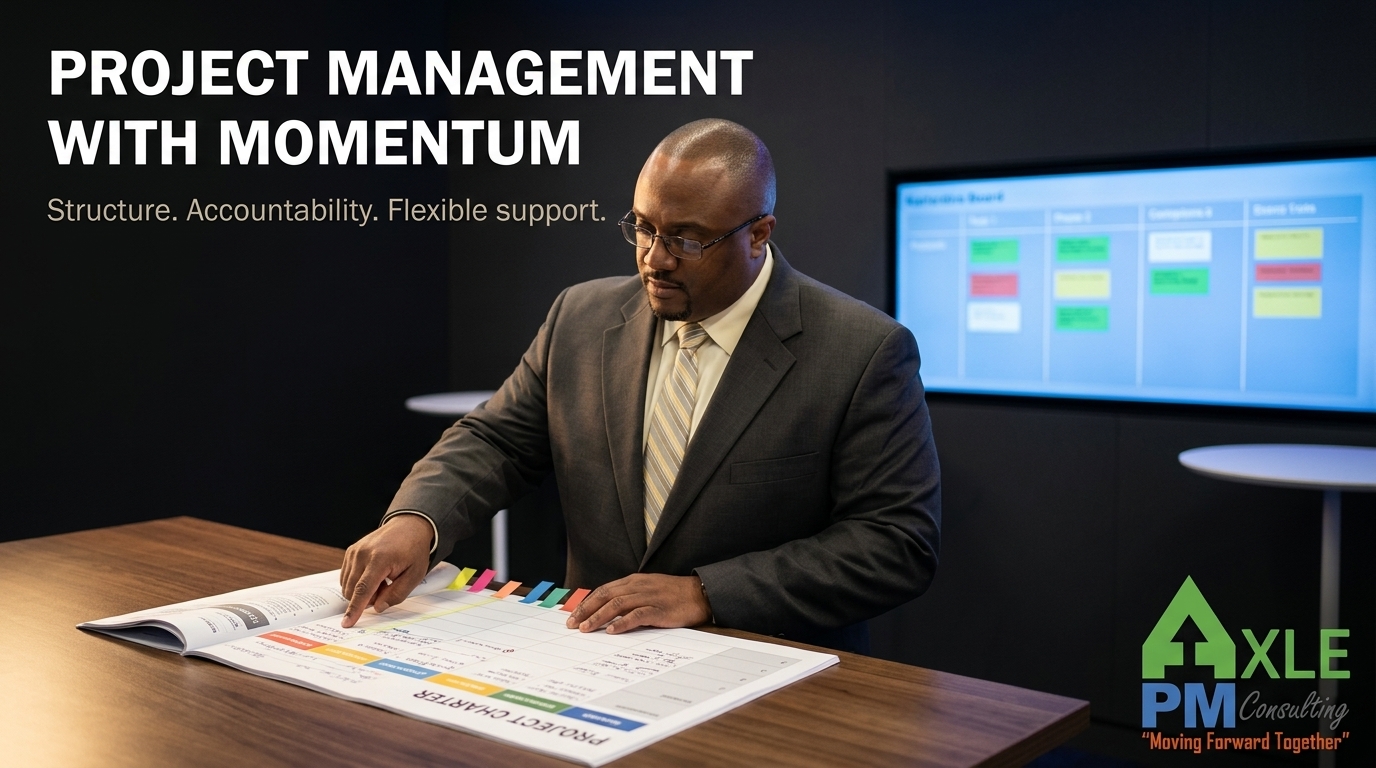
Project governance and support are crucial for ensuring accountability and structure. Let’s explore how virtual PMO services and certified leadership contribute to this.
Virtual PMO Services Explained
Virtual PMO services offer the support you need without the overhead of a full-time team. They provide centralized tracking and consistent processes. This service acts as a backbone for your project, offering expert guidance and oversight. It’s like having an in-house team but without the associated costs.
These services are especially beneficial for startups and nonprofits with limited resources. Virtual PMOs ensure that projects remain aligned with goals and timelines. They provide a scalable solution, adapting to your organization’s capacity. With a virtual PMO, your project management becomes more efficient and effective.
PMP Certified Leadership
PMP certified leadership brings expertise and credibility to your project. Certified leaders understand project management inside out. They apply best practices that keep your project on schedule and within budget. Their experience is invaluable in navigating complex project landscapes.
Having a certified leader at the helm instills confidence in your team. It assures stakeholders that the project is in capable hands. PMP certified managers excel in communication and risk management, which are critical for project success. Their skills ensure that your project is executed with precision and professionalism.
Building Accountability Frameworks
Accountability frameworks are essential for project success. They create a structure where everyone knows their responsibilities. This framework ensures that tasks are completed on time and to the highest standard. It involves setting clear expectations and regular check-ins.
Regular feedback and progress tracking are key components of this framework. They allow teams to stay informed and adjust as needed. Accountability frameworks also promote transparency, fostering trust among team members. By building a robust framework, you ensure that your project operates smoothly and efficiently.
From Planning to Execution

Bridging the gap from planning to execution is where many projects stumble. Actionable roadmaps and effective reporting are key to overcoming this challenge.
Creating Actionable Roadmaps
Creating actionable roadmaps turns plans into reality. A roadmap outlines the steps needed to reach your project goals. It provides a clear path forward, eliminating confusion. With a roadmap, you can prioritize tasks and allocate resources effectively.
An actionable roadmap is more than a plan; it’s a guide. It helps you anticipate challenges and prepare solutions in advance. This proactive approach keeps your project moving forward, even when obstacles arise. By following a well-defined roadmap, you maintain momentum and achieve your objectives.
Effective Project Dashboard Reporting
Effective project dashboard reporting ensures visibility and accountability. Dashboards offer real-time insights into project progress. They highlight areas of concern, allowing you to address issues promptly. With dashboards, decision-makers have the information they need at their fingertips.
Dashboards also facilitate communication among team members. They provide a common platform for sharing updates and coordinating efforts. This transparency ensures that everyone is on the same page, reducing misunderstandings. By leveraging dashboards, you make informed decisions that keep your project on track.
Supporting Nonprofit and Startup Needs
Supporting nonprofits and startups requires a tailored approach. These organizations often face unique challenges, such as limited resources. By understanding their needs, you can provide customized solutions. This involves offering flexible support models and scalable services.
Nonprofits and startups benefit from cost-effective project management options. These include virtual PMO services and tailored methodologies. By addressing their specific challenges, you help them achieve their project goals. Supporting these organizations means empowering them to make a positive impact.
Frequently Asked Questions
What is a project operating model?
A project operating model is a framework that guides how projects are executed. It includes methodologies, roles, and processes that ensure project success.
How do virtual PMO services benefit organizations?
Virtual PMO services provide project management support without the overhead of a full-time team. They offer centralized tracking, consistent processes, and expert guidance.
Why is PMP certification important for project managers?
PMP certification demonstrates a project manager’s expertise and commitment to best practices. It assures stakeholders that the project is managed by a qualified professional.
How do actionable roadmaps help in project management?
Actionable roadmaps provide a clear path for achieving project goals. They outline steps, prioritize tasks, and allocate resources effectively to maintain momentum.
Why are dashboards important for project reporting?
Dashboards offer real-time insights into project progress, facilitating informed decision-making. They ensure visibility and accountability among team members.