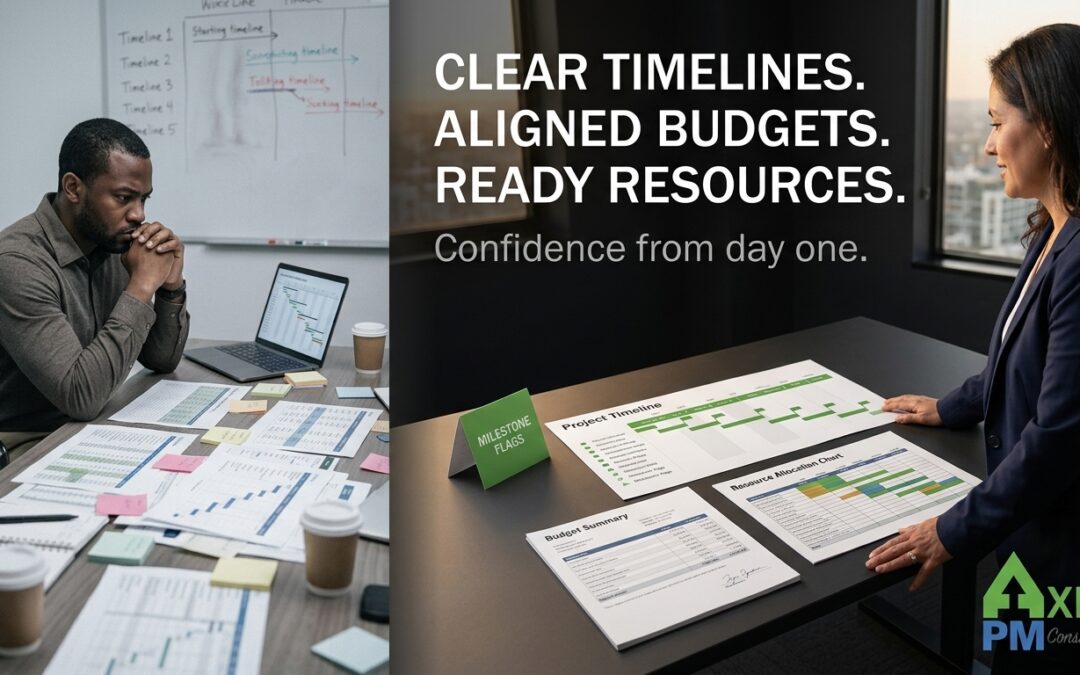
Unclear timelines, shifting budgets, and mismatched resource plans turn complex initiatives into risky bets before they even start. You know that guessing what’s needed often leads to costly delays or budget surprises. Aligning your timeline, budget, and resource planning upfront creates a clear path for approval and execution, cutting uncertainty and building confidence from day one. This blog breaks down the project planning framework leaders rely on to keep projects on track and within budget. For more insights, explore mastering resource planning and allocation.
Clear Timelines Set the Stage
Creating a structured approach before diving into execution is crucial. It begins with establishing clear timelines, which set the foundation for successful project outcomes.
The Importance of Timeline Planning
Timeline planning is your project’s backbone. It outlines when tasks should start and finish and helps keep everything on track. Without a clear timeline, projects can drift, causing unnecessary delays. Think of it as your project’s roadmap: it guides you through each phase, ensuring everyone knows what comes next. A well-planned timeline also allows you to identify potential bottlenecks early, giving you the chance to address them before they become significant issues.
Utilizing the Critical Path Method
The Critical Path Method (CPM) is a powerful tool in timeline planning. It helps you pinpoint the crucial tasks that dictate your project’s timeline. By focusing on these critical tasks, you can allocate resources more effectively and ensure timely completion. CPM allows you to visualize the sequence of tasks, making it easier to manage dependencies and prioritize activities. Using this method, you can foresee challenges and adjust your plan proactively. Explore more about schedule and resource budget planning.
Budget Planning for Confidence

Securing your project’s financial foundation is as vital as setting timelines. A strong budget plan provides the confidence to move forward without financial surprises.
Building a Funding-Ready Budget Model
A funding-ready budget model is essential for project success. It involves detailing all expected costs, from materials to labor. This model helps in securing the necessary funds before the project begins. By forecasting expenses accurately, you minimize the risk of budget overruns. It’s important to include a contingency reserve to handle unexpected costs that might arise during the project. A robust budget model aligns with your timeline, ensuring financial resources are available when needed.
Effective Cost Control Strategies
Effective cost control is about monitoring expenses and making adjustments to stay within budget. Regular financial reviews help identify spending patterns and areas where you can cut costs without sacrificing quality. Implementing these strategies ensures that your project remains financially viable throughout its lifecycle. By maintaining strict oversight, you can make informed decisions that prevent budget creep and ensure resource allocation aligns with project goals.
Resource Planning for Success
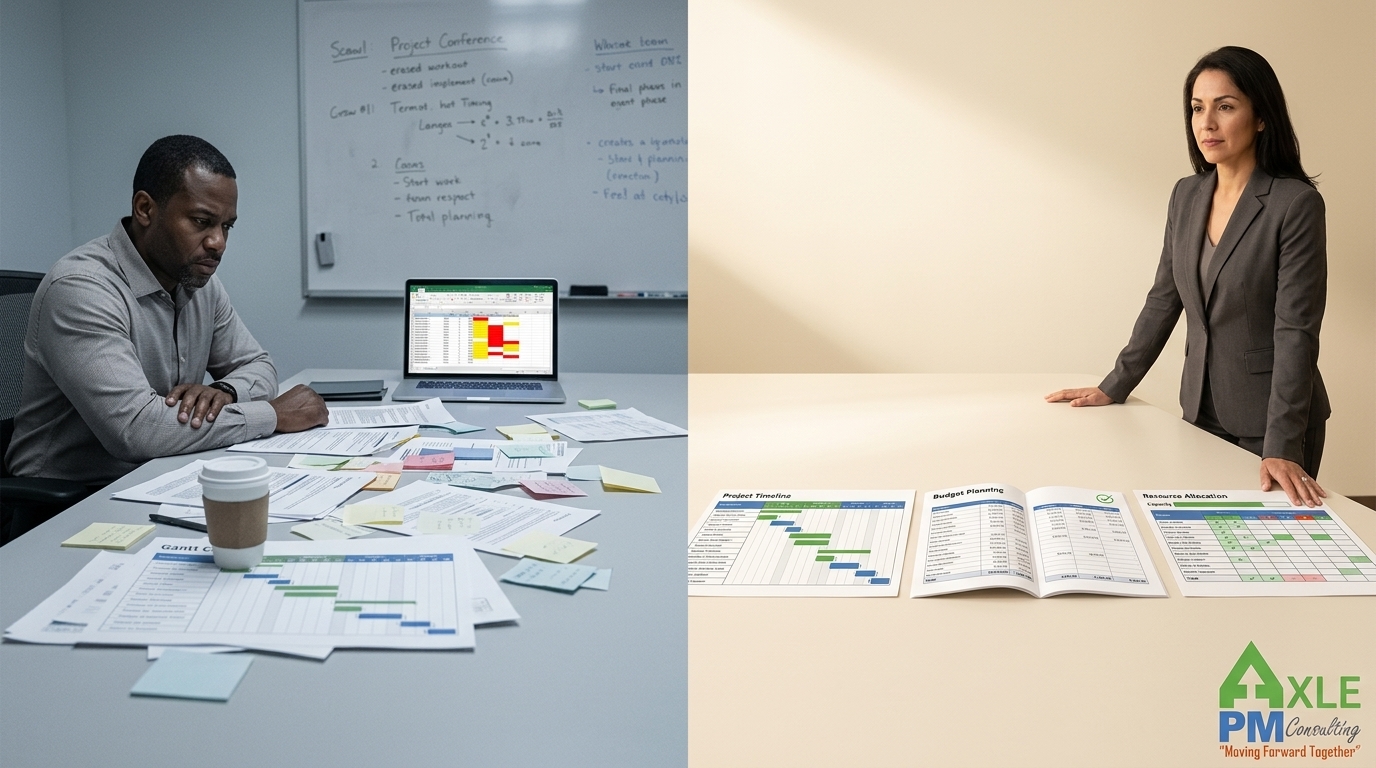
The final piece of the planning puzzle is resource management. Proper resource planning ensures you have the right people and tools in place to execute your project efficiently.
Capacity Planning and RACI
Capacity planning involves matching your team’s abilities to project demands. It ensures you have the manpower to handle each task efficiently. Using a RACI chart adds clarity by defining roles and responsibilities, preventing overlap and confusion. By aligning resources with project needs, you increase productivity and minimize downtime. This structured approach keeps your team focused and engaged, driving the project forward.
Ensuring Stakeholder Alignment
Stakeholder alignment is crucial for project harmony. It involves keeping everyone informed and on the same page throughout the project. Regular communication fosters transparency, ensuring stakeholders understand the project’s progress and any changes. Aligning stakeholders reduces the risk of miscommunication and ensures everyone works towards the same goals. This unified approach boosts morale and enhances collaboration, leading to a successful project outcome.
Frequently Asked Questions
What is the Critical Path Method (CPM)?
The Critical Path Method (CPM) is a project management tool that helps identify the sequence of crucial tasks that determine the project’s timeline. It allows you to prioritize activities and allocate resources more effectively.
How can I build a funding-ready budget model?
To build a funding-ready budget model, list all potential costs, including materials, labor, and contingency reserves. Accurate forecasting helps secure necessary funds and prevents budget overruns.
What is a RACI chart, and how is it used in resource planning?
A RACI chart outlines roles and responsibilities within a project. It stands for Responsible, Accountable, Consulted, and Informed. Using a RACI chart clarifies team members’ roles, minimizing overlap and ensuring efficient resource use.
For more insights on effective project management strategies, visit resource planning in project management and cost-effective resource planning.