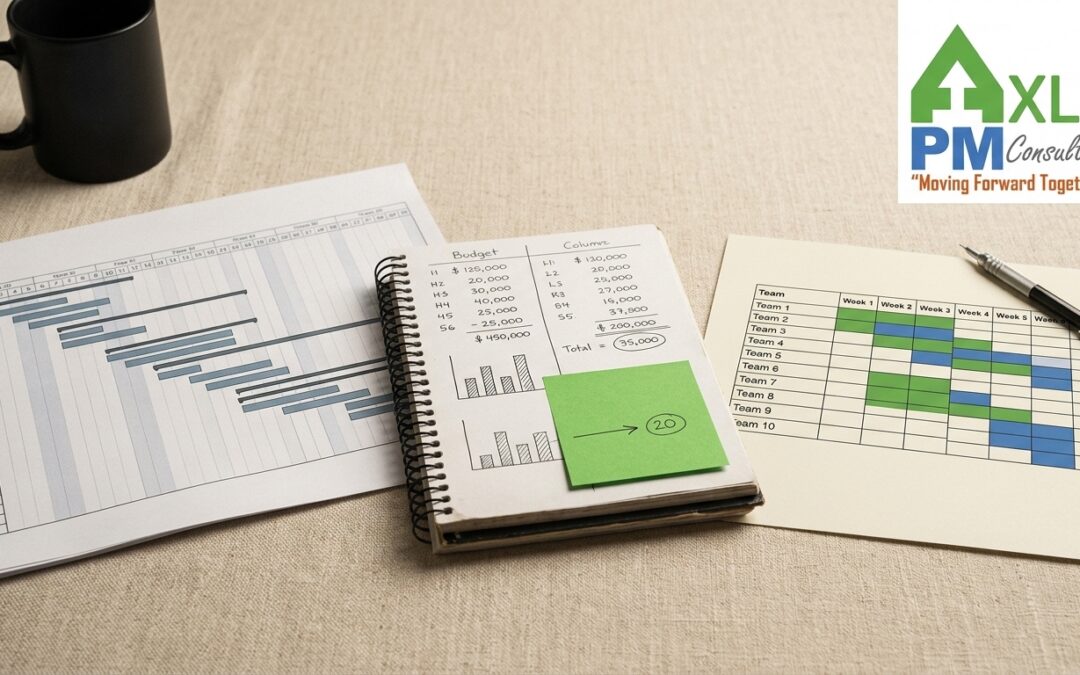
Launching a complex project without a clear timeline, budget, or resource plan sets the stage for surprises and setbacks. When you define these three critical inputs early, you gain control over the unknown and set a realistic path to progress. This project planning framework turns vague intentions into concrete steps, giving you the confidence to start strong and keep momentum from day one.
The Power of Early Planning
Starting a project with a clear plan creates a foundation for success. The initial steps you take can determine the trajectory of your entire initiative. Let’s explore how moving from vague intentions to concrete plans instills confidence and sets the stage for sustainable progress.
Replacing Vague Intent with Concrete Plans
Moving from idea to action begins with clarity. When you replace uncertain goals with well-defined plans, you set a solid foundation for your project. Imagine the power of knowing exactly what steps to take next. This clarity not only streamlines execution but also reduces stress. With a concrete plan in hand, you’re ready to tackle challenges head-on. Clear goals help your team stay focused, ensuring that everyone knows their role and the project’s direction.
Confidence in Seeing Constraints Early
Identifying constraints early gives you control. As you uncover potential roadblocks, you can devise strategies to overcome them before they become issues. This proactive approach builds confidence in your team and stakeholders. It’s like having a map before a journey; you know the route, the stops, and the potential detours. By understanding constraints, you can allocate resources more effectively and avoid unexpected surprises. This foresight ensures smoother project execution and consistent forward momentum.
Momentum from Discovery to Execution
Momentum is crucial. As you move from planning to execution, maintaining energy and focus ensures continuous progress. When you start with a clear plan, you can transition smoothly into action, minimizing delays. Momentum keeps your team motivated and engaged. It reduces downtime and ensures that each phase of the project builds on the previous one. By maintaining momentum, you can achieve milestones more## The Power of Early Planning
You’re about to embark on a project, and feeling unsure is natural. Imagine replacing that uncertainty with certainty by setting clear timelines, budgets, and resource plans before you start. This clarity is your first step toward success.
Replacing Vague Intent with Concrete Plans
Turning your project vision into reality starts with a solid plan. This involves identifying what your project aims to achieve and the steps you need to get there. Think of it as the foundation of your project, laying out what needs to happen and when. This approach saves time, cuts down costs, and reduces last-minute surprises. When everyone knows the plan, the entire team can work more effectively, ensuring everyone is on the same page.
Confidence in Seeing Constraints Early
Knowing your project’s limitations from the start is empowering. It means seeing potential roadblocks and preparing for them before they become issues. Imagine you’re building a house: by knowing your budget and timeline, you can prevent costly delays. Similarly, by understanding your project’s constraints, you can make informed decisions that keep your project on track and within budget. This foresight not only boosts confidence but also streamlines execution.
Momentum from Discovery to Execution
Once your project starts, maintaining momentum is crucial. The transition from planning to execution becomes seamless when you’ve laid the groundwork. Your project isn’t just about starting strong; it’s about keeping that strength throughout. By having a clear plan, your team can smoothly move from one phase to the next without unnecessary pauses. This ongoing progress feels like a well-oiled machine, ensuring consistent forward movement.
Three Key Planning Inputs

Before diving into execution, leaders must focus on three critical inputs: timelines, budgets, and resource capacity. These components create a clear path for your team and stakeholders.
Crafting a Clear Project Timeline
A project timeline is your roadmap. It shows the journey from start to finish. When you create a timeline, you’re not just setting deadlines; you’re organizing tasks logically. Each step builds on the last, ensuring smooth progress. Think of it like a puzzle: each piece must fit in the right place. By breaking your project into manageable steps, you can anticipate potential delays and adjust accordingly. This proactive approach keeps your project on schedule and minimizes stress for everyone involved.
Establishing a Defensible Project Budget
Budgeting is more than just numbers. It’s about aligning your financial resources with your project goals. A well-prepared budget accounts for all potential expenses, from supplies to staffing. When you have a clear budget, you’re not just controlling costs; you’re ensuring that every dollar spent contributes to your project’s success. This clarity allows for informed decision-making, preventing overspending and resource waste. By staying on top of your budget, you maintain control over your project’s financial health.
Mastering Resource Capacity Planning
Resource capacity planning is about knowing what you have and what you need. It ensures you have the right people and tools at the right time. Imagine trying to bake a cake without enough ingredients: impossible, right? The same goes for projects. You must have a clear picture of your resources to avoid bottlenecks. By assessing your capacity early on, you can address potential shortages and allocate resources effectively. This preparation ensures your team has everything they need to succeed, from start to finish.
Bridging Gaps Before Project Kickoff
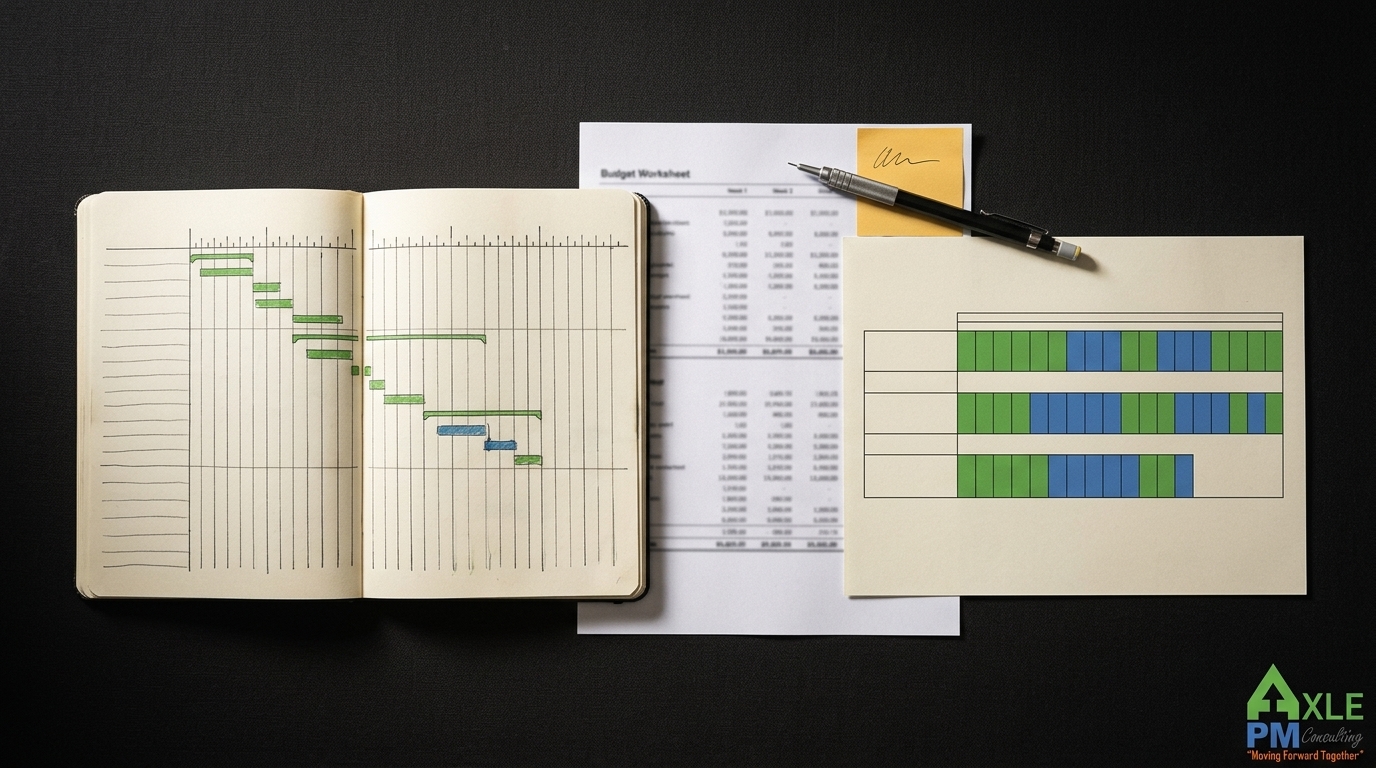
Before launching your project, it’s crucial to fill any gaps. This preparation sets the stage for a smooth execution and minimizes risks.
The Importance of a Planning Readiness Assessment
A planning readiness assessment helps identify potential challenges early. It’s like a pre-flight checklist for your project, ensuring everything is in place before takeoff. By assessing your project’s readiness, you can pinpoint areas that need attention and make necessary adjustments. This proactive step reduces the chances of unexpected issues, allowing for a smoother execution. When you’re prepared, your project is less likely to encounter delays or obstacles.
Leveraging PMO Services for Success
Project Management Office (PMO) services are invaluable for keeping your project on track. They provide structured guidance and support, ensuring your project aligns with your goals. By leveraging PMO services, you gain access to expert advice, proven methodologies, and a wealth of resources. This support helps maintain project momentum, streamline communication, and manage risks effectively. With a PMO by your side, you can confidently navigate your project to success.
The Role of Project Governance and Risk Management
Project governance and risk management are about maintaining control and minimizing uncertainties. Governance establishes clear roles, responsibilities, and decision-making processes. It ensures everyone knows their part in the project. Risk management, on the other hand, involves identifying potential issues and planning responses. By addressing risks proactively, you can mitigate their impact and keep your project on course. Together, governance and risk management create a stable environment for project success.
Frequently Asked Questions
What is a project planning framework?
A project planning framework is a structured approach to organizing tasks, timelines, budgets, and resources. It provides a clear path from project initiation to completion, ensuring all aspects are considered for successful execution.
Why is a clear project timeline important?
A clear project timeline serves as a roadmap for your team. It organizes tasks logically, allowing for smooth progress and anticipation of potential delays. This proactive approach helps keep your project on schedule.
How do PMO services benefit project management?
PMO services offer structured guidance, expert advice, and proven methodologies to keep your project aligned with your goals. They help maintain project momentum, streamline communication, and manage risks effectively.
What is resource capacity planning?
Resource capacity planning involves assessing what resources (like people and tools) you have and what you need for your project. It ensures you can allocate resources effectively and avoid bottlenecks, ensuring smooth project execution.
Why is risk management crucial for projects?
Risk management helps identify potential issues early and plan responses to mitigate their impact. By addressing risks proactively, you can maintain control and minimize uncertainties, ensuring your project stays on course.