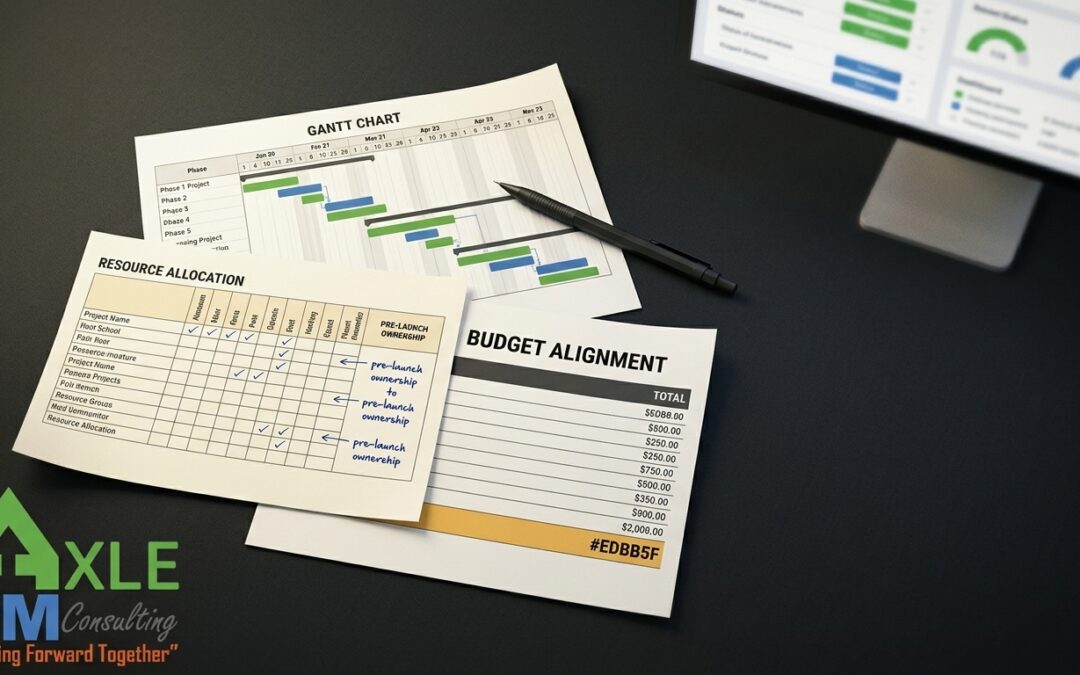
When complex initiatives start without a clear project timeline, budget, and resource plan, delays and cost overruns quickly follow. Most leaders feel the pressure to move fast but lack the controls to keep delivery on track under tight budget season deadlines. Aligning your project launch readiness now gives you the visibility and accountability to stay on schedule and protect your budget from day one. Here’s how clarifying scope, sequencing, and ownership before execution begins can set your team up for success. For guidance on building effective project timelines, check out this resource.
Building Project Launch Readiness
Creating a strong foundation for your project can make or break its success. Having an aligned timeline, budget, and resource plan is essential for a smooth launch.
Aligning Timelines for Success
A well-structured timeline is critical. Start by identifying key milestones and deadlines. This ensures everyone knows what to expect. Setting clear expectations helps your team stay focused.
Break your project into manageable phases. This approach allows you to see potential bottlenecks early. As you progress, adjust as needed to keep everything on track. Keeping a flexible mindset can make a significant difference in achieving your objectives.
Budget Alignment Strategies
Budgeting effectively means more than just crunching numbers. It involves anticipating costs and setting realistic financial goals. Start by examining every aspect of your project. This will help you allocate funds where they’re needed most.
Remember, unforeseen expenses can arise. To prepare, create a contingency fund. This safety net helps you handle unexpected costs without derailing your project. Staying vigilant with your budget keeps your project financially healthy. For more on budget alignment, explore this guide.
Resource Capacity Planning Essentials
Understanding your team’s capacity is vital. It ensures you don’t overextend resources. Begin by assessing your team’s current workload. This will help you determine if additional support is necessary.
Once you have a clear picture, prioritize tasks. Assign roles based on strengths and availability. This strategic approach boosts productivity and morale. Managing resources wisely leads to smoother project execution.
Navigating Complex Initiatives
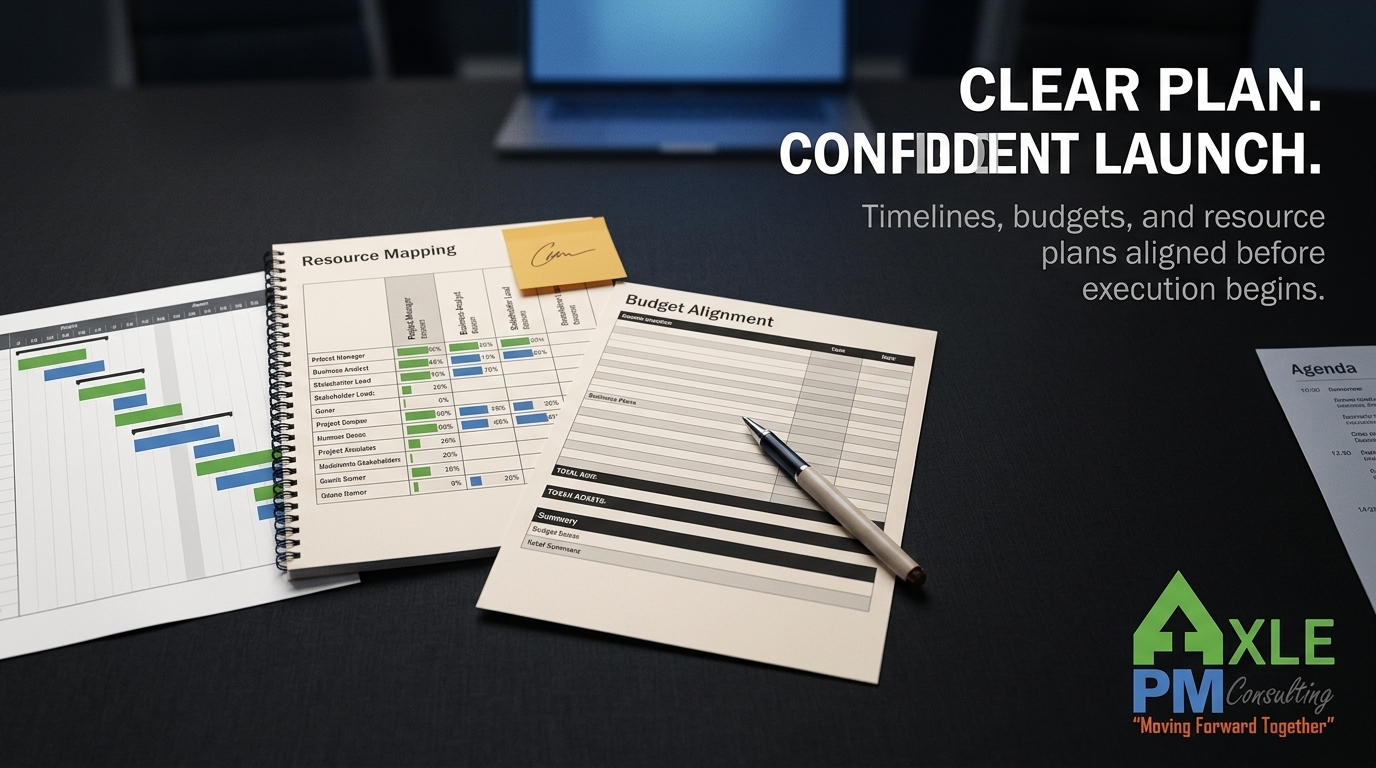
Complex projects require agile management. This involves adapting quickly to changes. By implementing these strategies, you can navigate challenges effectively.
Agile Project Management Techniques
Agile methods promote flexibility. They help teams respond to changes efficiently. With agile, you break work into short iterations, or “sprints.” This keeps your project moving forward consistently.
Communication is key in agile management. Regular check-ins ensure everyone is on the same page. This transparency can prevent misunderstandings and delays. If you’re interested in agile techniques, this source offers valuable insights.
Critical Path Method Application
The Critical Path Method (CPM) helps identify tasks crucial to your project’s success. By focusing on these tasks, you can streamline your efforts. This prioritization helps maintain momentum and meet deadlines.
Look for dependencies between tasks. Understanding how they connect allows you to plan effectively. CPM helps you allocate resources where they’re needed most, ensuring your project stays on track.
Ensuring Stakeholder Alignment
Stakeholders play a vital role in your project’s success. Keeping them informed fosters trust and collaboration. Regular updates can help align their expectations with your goals.
Encourage stakeholder involvement from the start. This engagement ensures they feel invested in the project’s outcome. It also helps you address concerns early, preventing potential roadblocks.
Enhancing Control and Accountability
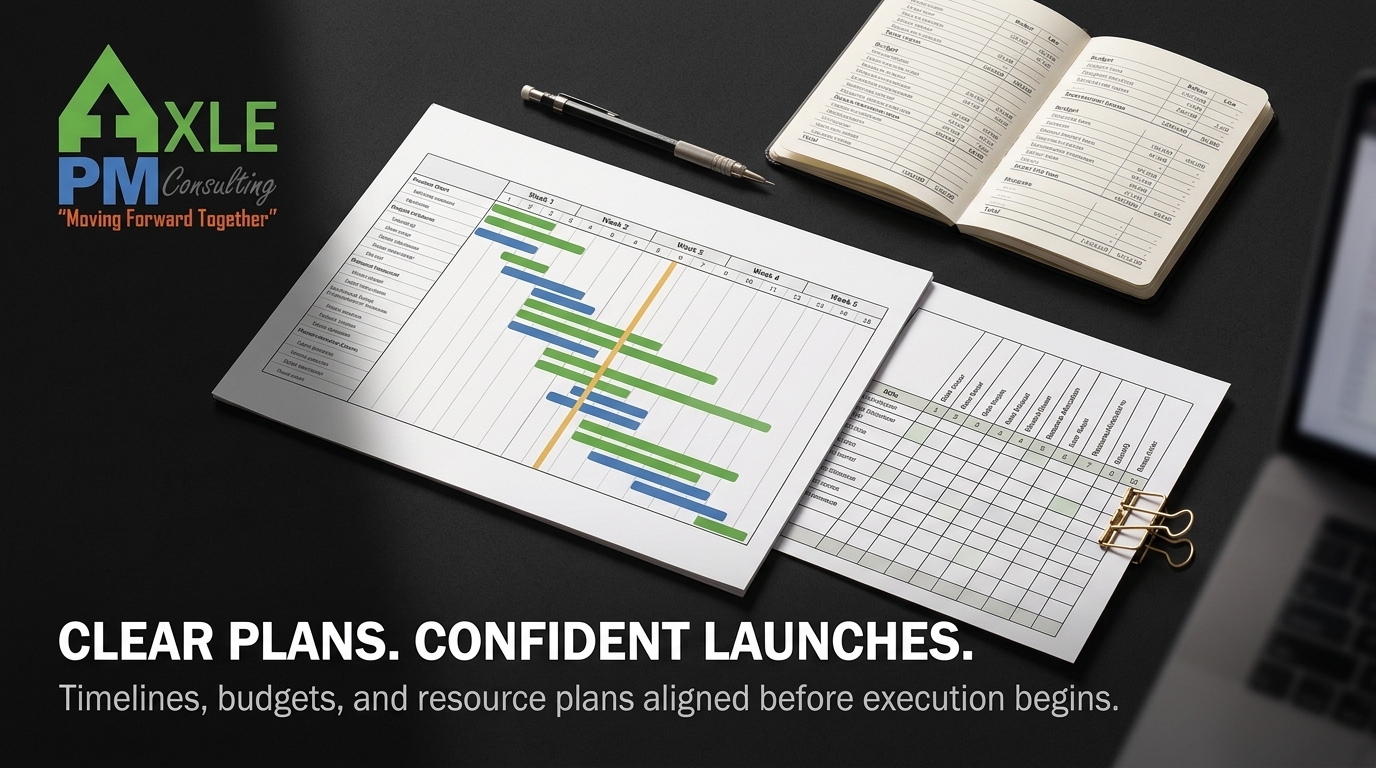
Maintaining control and accountability is crucial for project success. These practices help you manage risks and keep everyone accountable.
Effective Risk Management Practices
Risk management is about preparation. Start by identifying potential risks and assessing their impact. This proactive approach helps you develop strategies to mitigate them.
Create a risk management plan that outlines your response to various scenarios. Regularly review and update this plan as your project evolves. Staying prepared allows you to handle challenges with confidence.
Utilizing the RACI Matrix
The RACI Matrix is a tool that clarifies roles and responsibilities. It stands for Responsible, Accountable, Consulted, and Informed. By defining these roles, you ensure accountability within your team.
Use the RACI Matrix to assign clear ownership of tasks. This transparency prevents overlaps and confusion. It helps your team work efficiently and collaboratively.
Monitoring with a Project Dashboard
A project dashboard offers real-time insights. It provides a visual overview of your project’s status. This transparency helps you make informed decisions and maintain control.
Dashboards allow you to track progress and identify trends. They offer a clear picture of your project’s health. Using a dashboard ensures you’re always aware of your project’s standing. For more on project dashboards, check out this guide.
Frequently Asked Questions
What is project launch readiness?
Project launch readiness involves aligning your timeline, budget, and resources before execution starts. This preparation ensures a smooth and successful project launch.
How does agile project management improve outcomes?
Agile project management promotes flexibility and responsiveness. By breaking work into short iterations, teams can adapt quickly to changes, leading to consistent progress and improved outcomes.
Why is stakeholder alignment important?
Stakeholder alignment is crucial because it fosters trust and collaboration. Keeping stakeholders informed and involved ensures their expectations align with your project’s goals, preventing potential roadblocks.
What is the role of a project dashboard?
A project dashboard provides real-time insights into a project’s status. It offers a visual overview of progress, helping decision-makers maintain control and make informed choices.
How can the RACI Matrix enhance accountability?
The RACI Matrix clarifies roles and responsibilities by defining who is Responsible, Accountable, Consulted, and Informed for each task. This helps prevent overlaps and ensures team accountability.